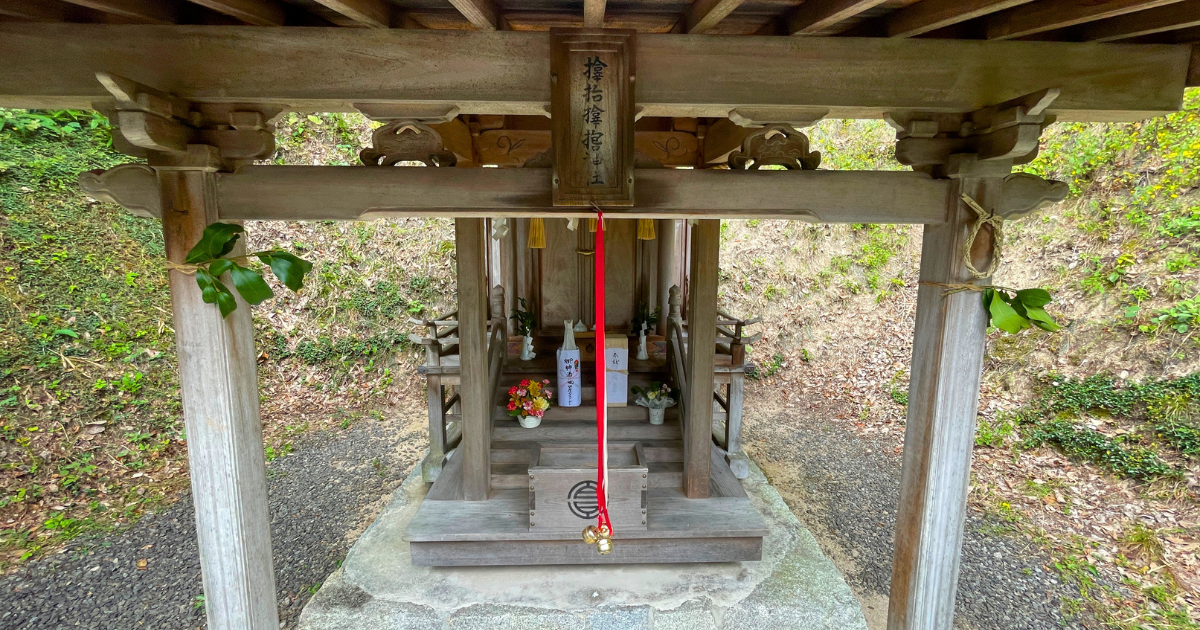
About This Shrine
Samuhara Shrine Okunomiya is a small and quiet shrine in Okayama Prefecture. It is connected to the well-known Samuhara Shrine in Osaka, but this Okunomiya is often seen as one of the spiritual roots of that faith.
The shrine enshrines three primordial kami: Ame-no-Minakanushi, Takamimusubi, and Kamimusubi. These three kami are known as the Zoka Sanshin, the three deities of creation, who appear at the very beginning of Japanese mythology.
Samuhara is especially associated with protection from misfortune, bodily safety, health, and long life.
The shrine itself is very small, almost like a sacred hokora. But sometimes, in Shinto, a small shrine can feel larger than it looks.
Photo Gallery
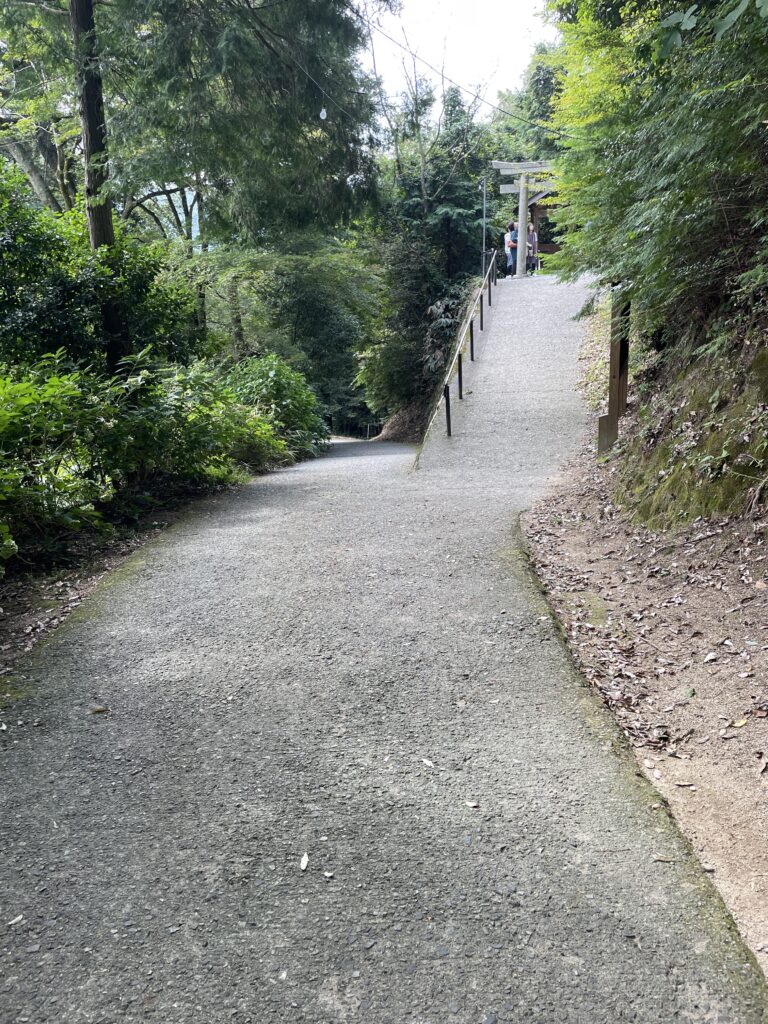
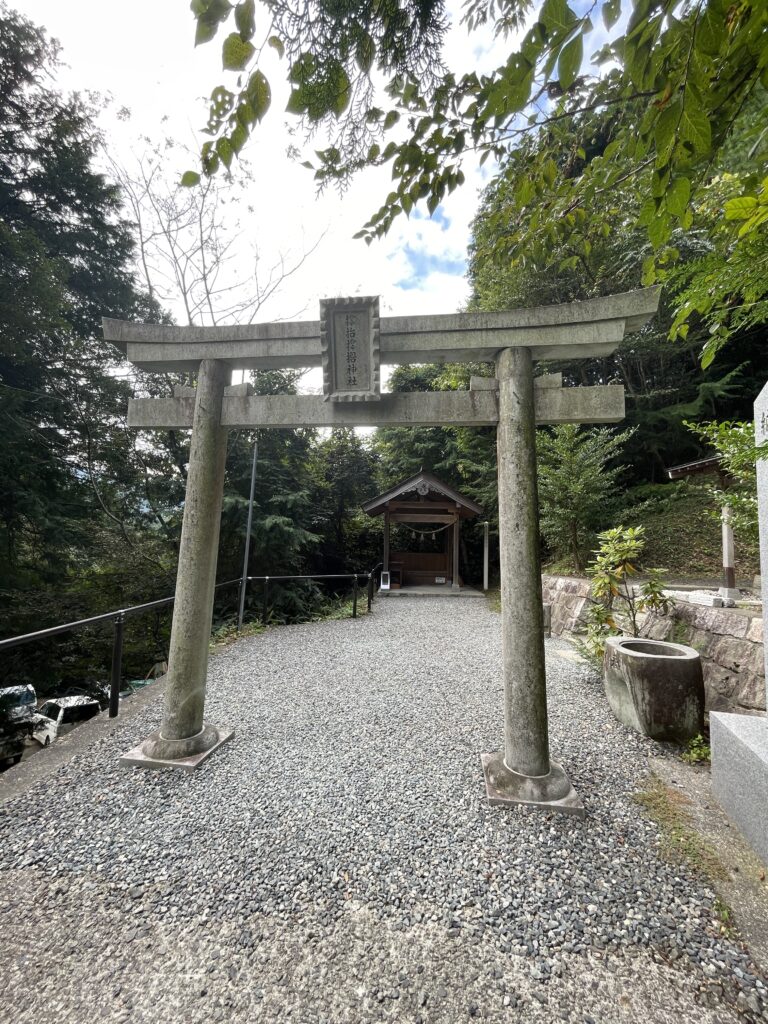
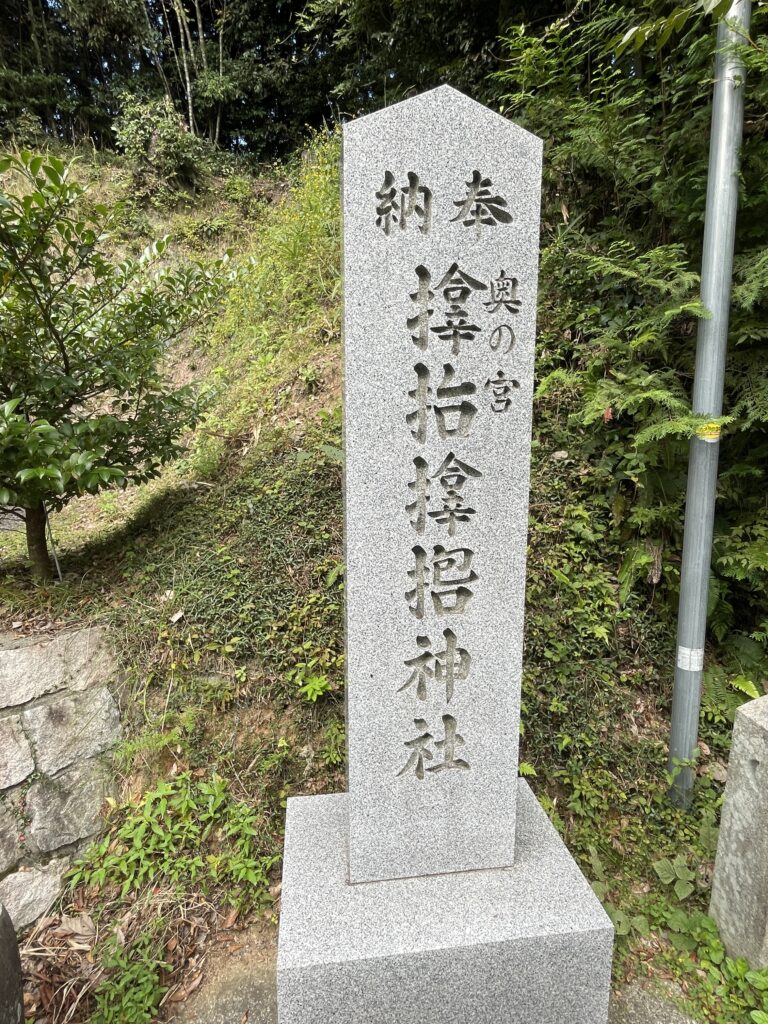
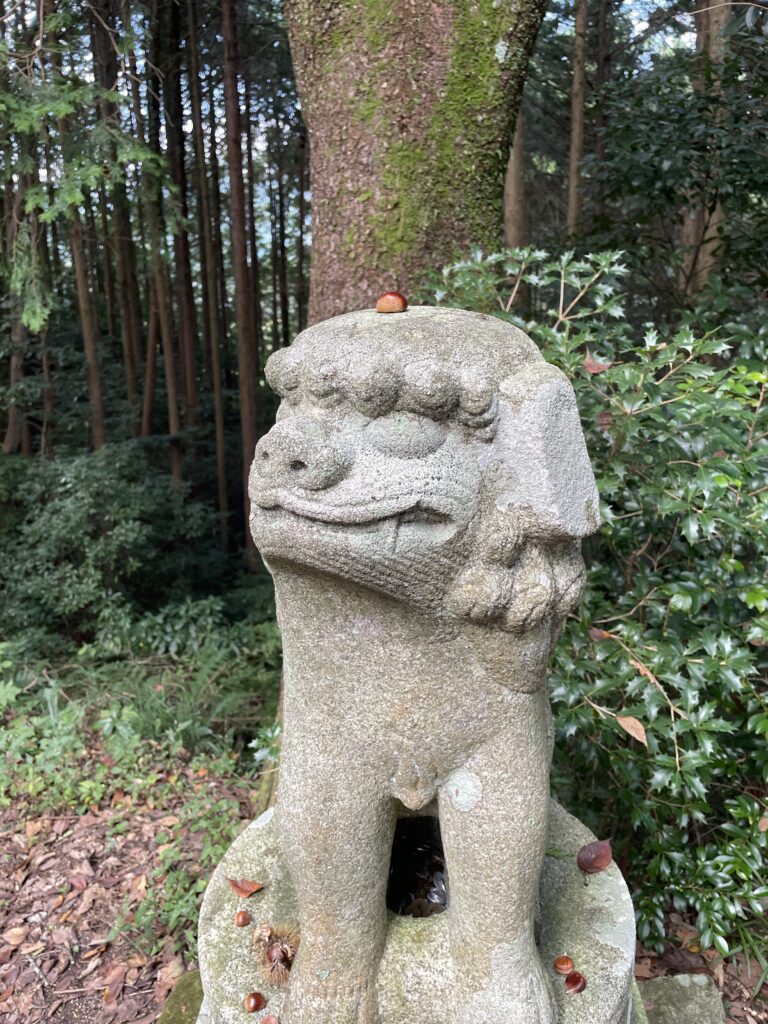
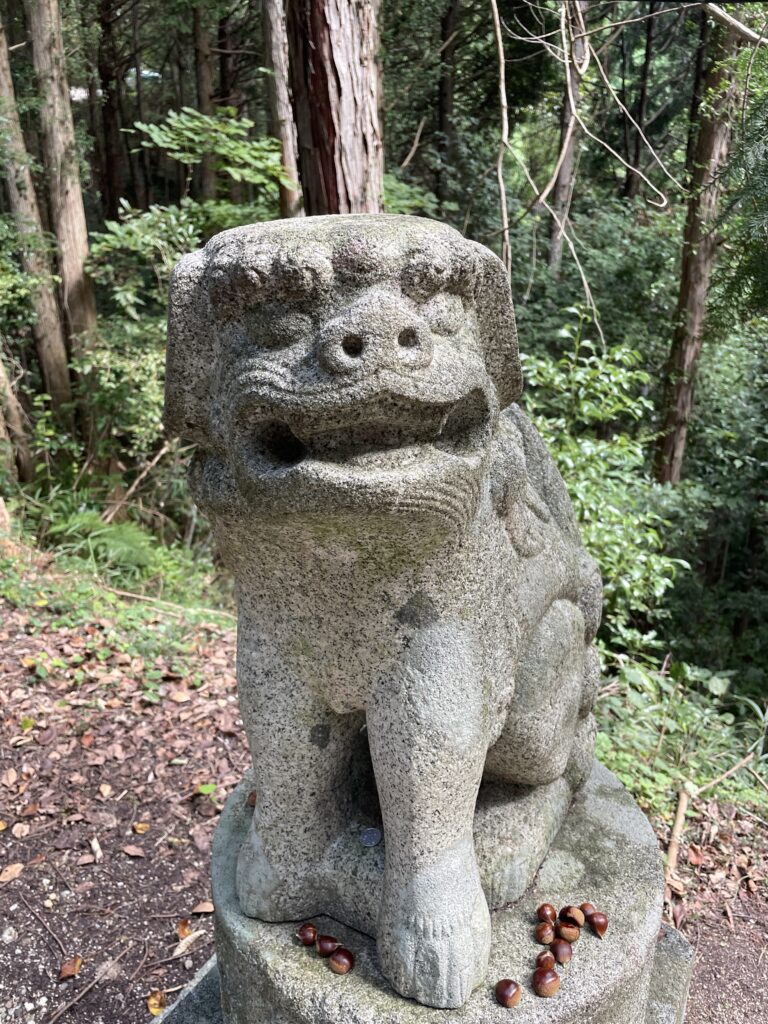
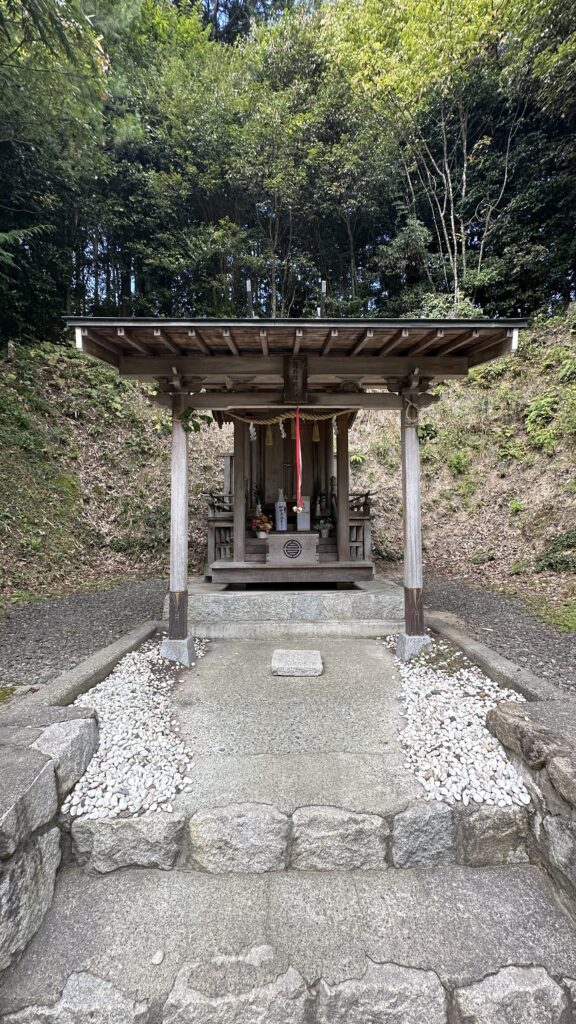
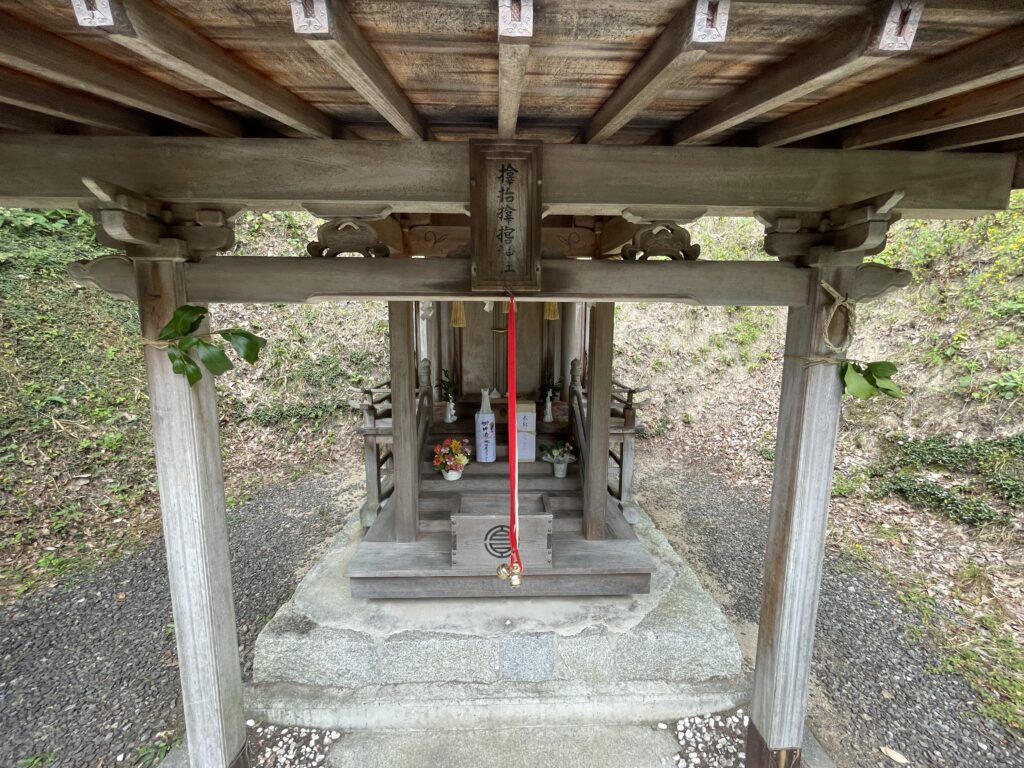
Watch the video below.
The Shrine You Cannot Reach Unless You Are Called
Samuhara Shrine Okunomiya is often called “the shrine you cannot reach unless you are called.”
Of course, this is not something we can prove. There is no official divine guest list. No kami checking your reservation at the entrance. Probably.
But stories like this tend to gather around certain shrines in Japan. People say the road was unexpectedly closed. The car navigation led them somewhere strange. Their car had trouble. They tried to go, but somehow could not arrive.
Are all of these stories literally true?
Maybe. Maybe not.
But in Shinto, the more interesting question is not always, “Did this happen exactly as told?” Sometimes the question is, “Why do people feel this place is not entered by human intention alone?”
That feeling matters.
Samuhara Okunomiya is small, hidden, and quiet. It does not look like a famous shrine trying to attract attention. It feels more like a place that waits.
And when a shrine waits like that, people begin to speak of being “called.”
The Mysterious Four Characters of Samuhara
The word “Sa・mu・ha・ra” is written with four unusual characters. They look like kanji, but they are not ordinary characters used in everyday Japanese. Some people describe them as sacred characters, and there are also theories connecting them with ancient or mythical scripts.
Whether we take that literally or symbolically, the point is clear: these characters are treated less like normal writing and more like a protective sign.
A word you do not quite read.
A sign you receive.
In Shinto, not everything sacred needs to be fully translated.
Sometimes a shrine, a word, or a sign keeps part of itself hidden. And perhaps that is not a problem. Perhaps that hiddenness is part of the protection.
The Creation Kami and Quiet Protection
The three kami enshrined here are connected with creation itself — not creation in a loud, dramatic way, but the quiet beginning before form appears. Before names. Before shapes. Before the world becomes something we can point to.
That may be why Samuhara’s protection feels so deep.
Samuhara is known for warding off misfortune, protecting the body, and supporting life. But at Okunomiya, that protection feels very quiet. Not like a strong wall. More like a presence saying, “Stay alive. Walk carefully. You are still being held.”
It is not loud.
It does not shout, “I am protecting you.”
It simply stands there, small and still.
Somehow, that feels stronger.
Not a Destination, but a Meeting
The phrase “called by the kami” may sound dramatic at first.
But perhaps it is not really about being chosen in a grand, movie-like way.
It may simply mean this:
There are places we do not reach by force.
There are places we reach when the timing is right.
There are places that feel less like destinations and more like meetings.
Samuhara Shrine Okunomiya is one of those places.