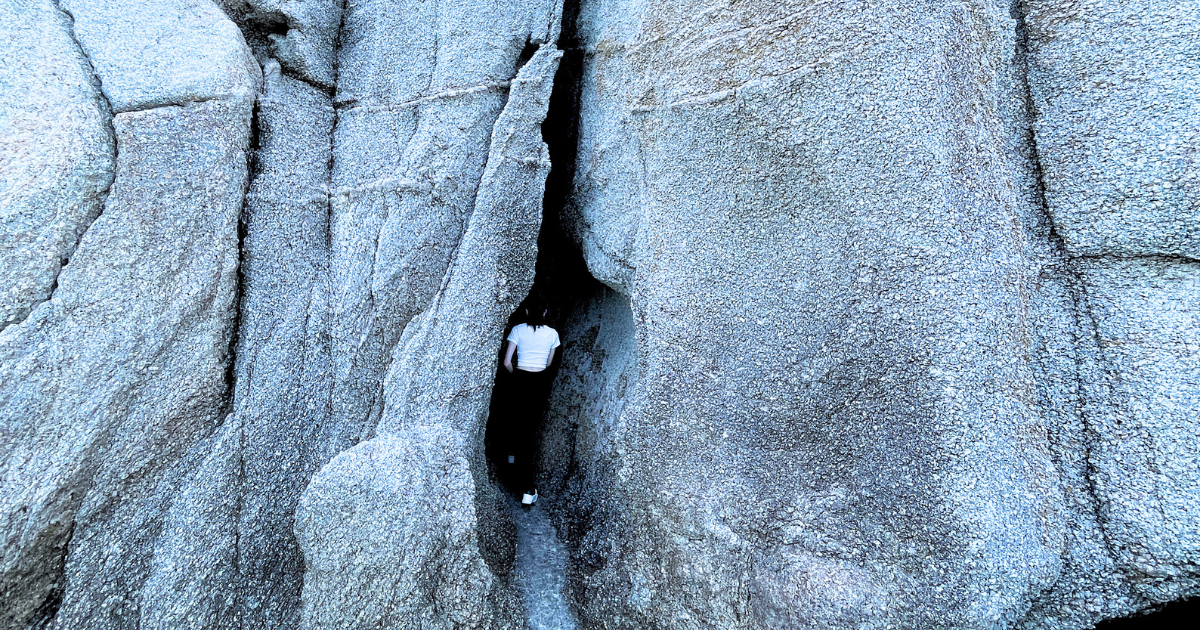
Nishihama Shrine and the Kami of Beginnings
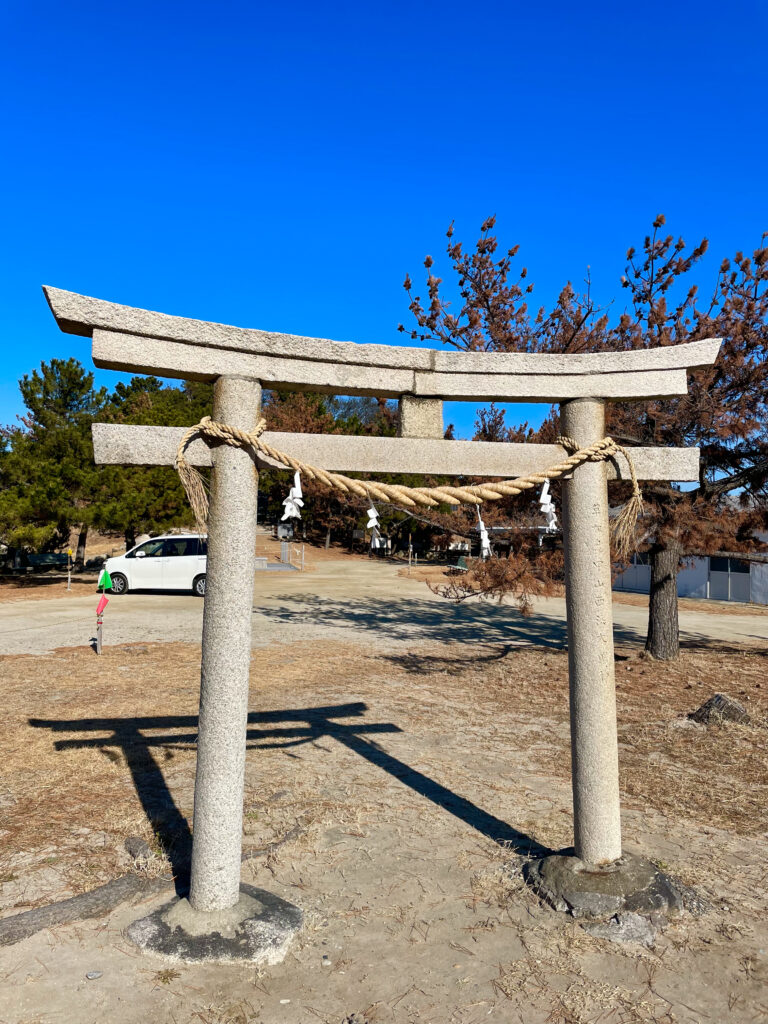
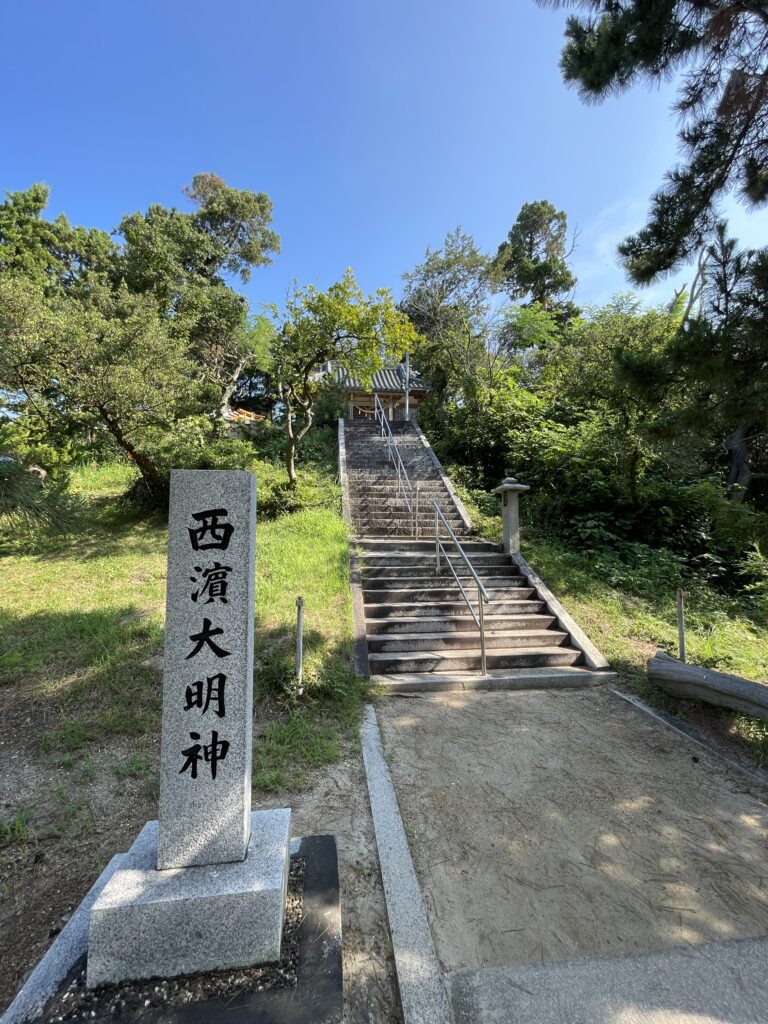
Near the coast of Cape Myojin on Awaji Island stands Nishihama Shrine, a quiet Shinto shrine said to have been founded in 888 CE.
The shrine enshrines Izanagi and Izanami, the two kami who appear at the beginning of Japan’s creation myth. They are connected with birth, creation, union, separation, and the mysterious act of bringing something into being.
So when a natural rock passage below the shrine is called The Rock Tunnel of Rebirth, it does not feel random.
It feels like the landscape is quietly continuing the myth.
Photo Gallery
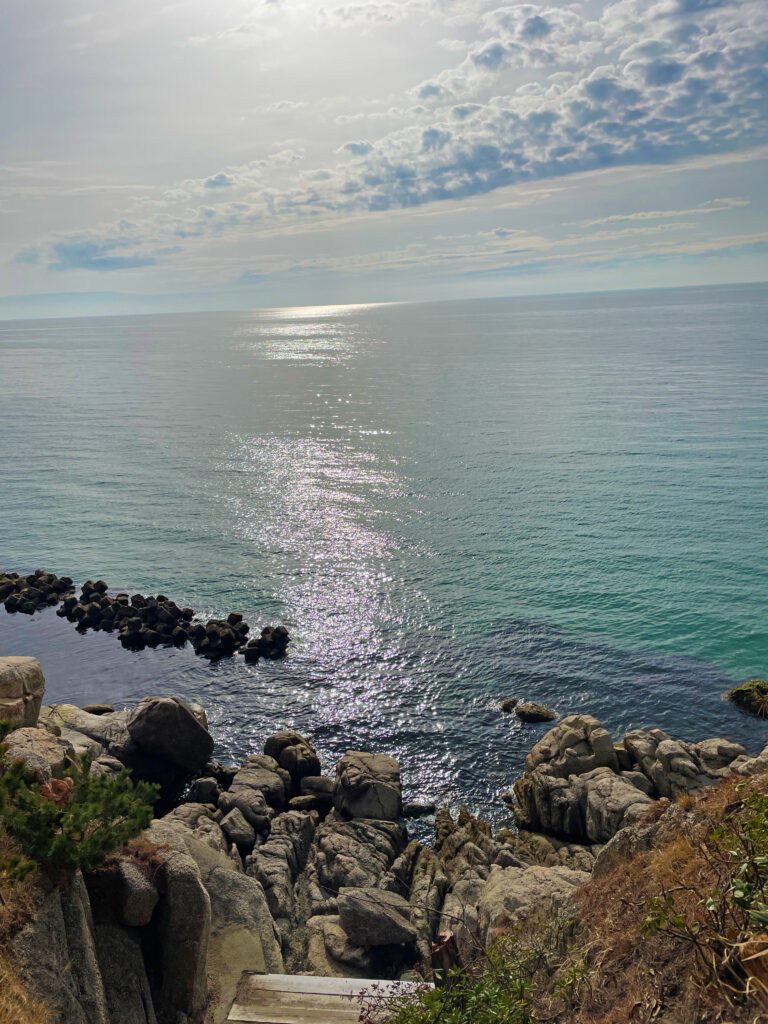
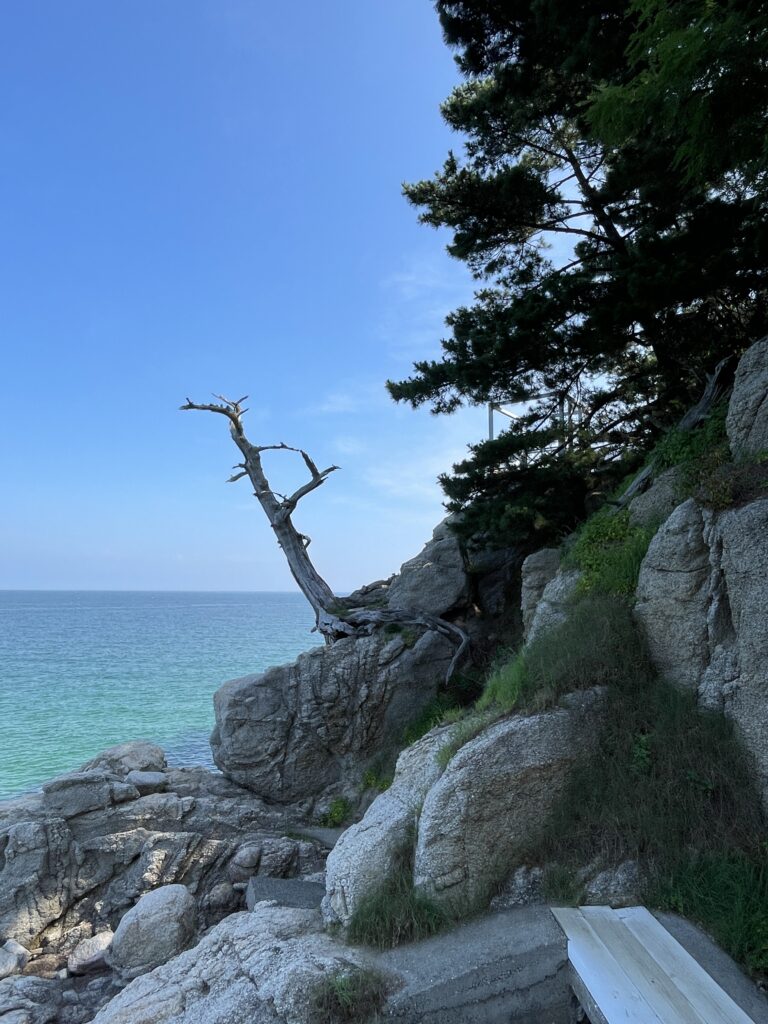
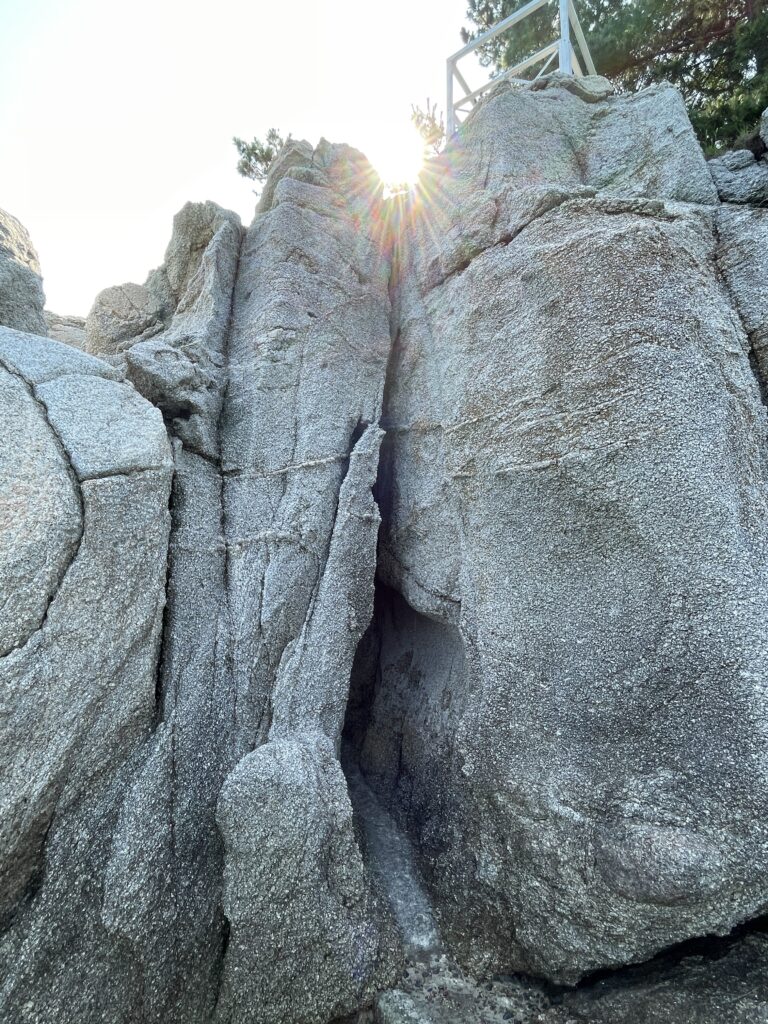
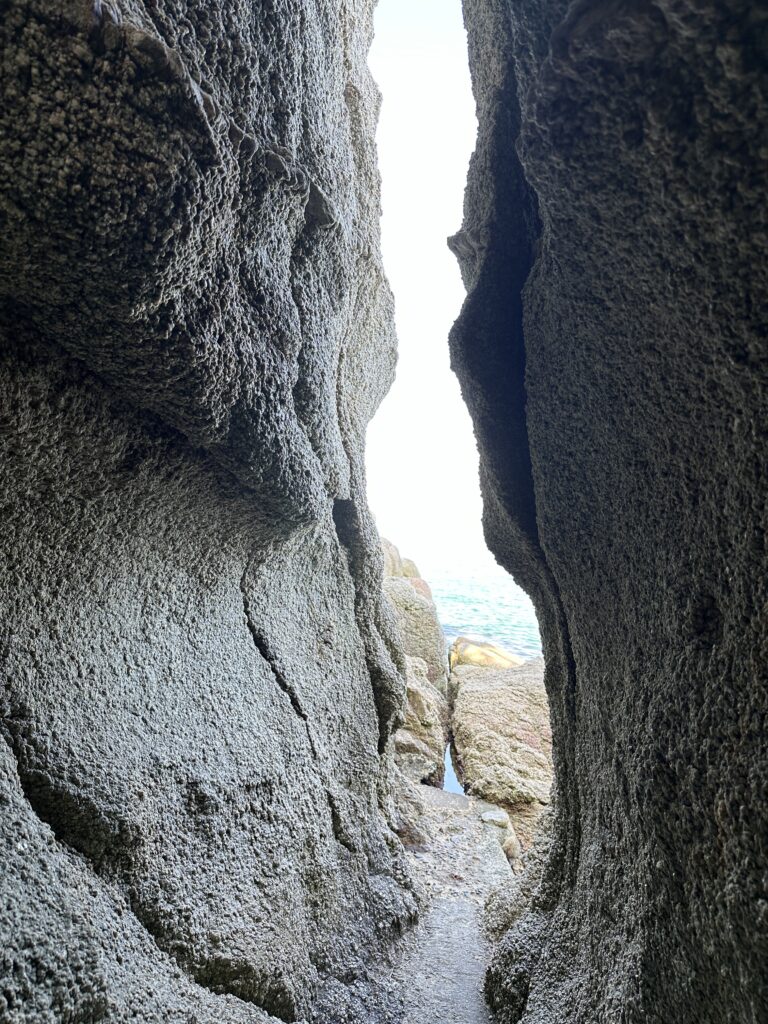
Watch the video below.
A Rock Passage by the Sea
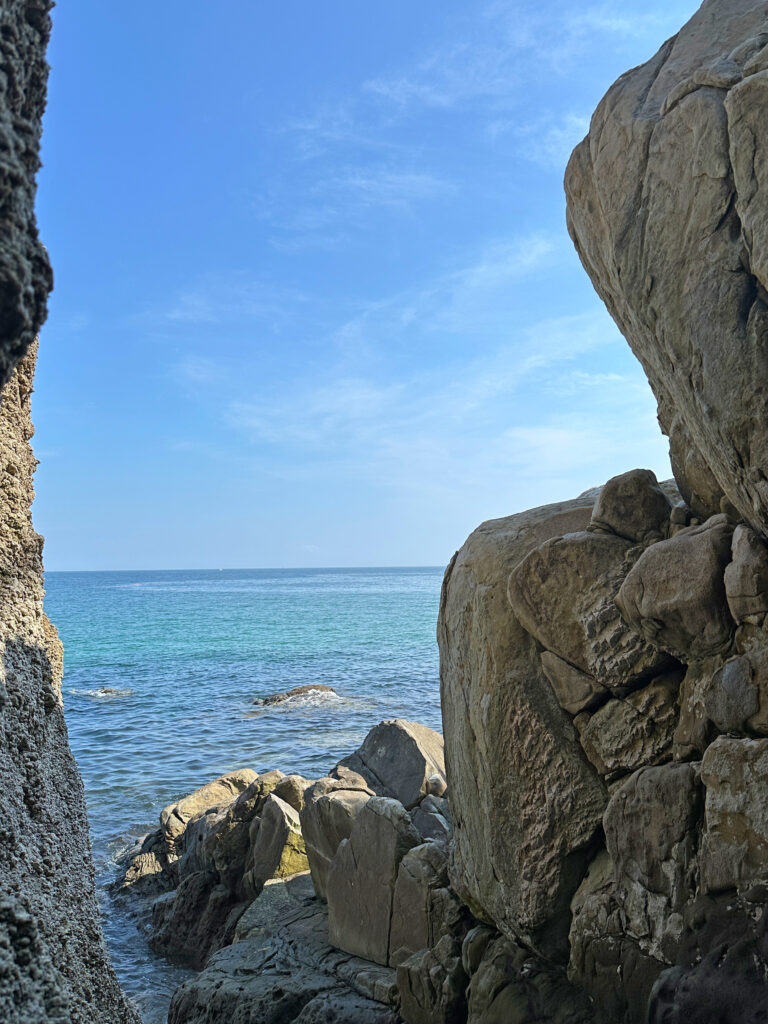
The Rock Tunnel of Rebirth is a natural rock opening on the coast below Nishihama Shrine.
In Japanese, it is called “Umarekawari no Iwa-ana.”
It is not a grand monument. It is not decorated with gold or carved with dramatic symbols. It is simply a rock by the sea, with a tunnel-like opening large enough for a person to pass through.
But sometimes, Shinto places are like that.
They do not need to explain themselves too loudly. A stone, a tree, a wave, a small path — that can be enough.
The Shoreline Before the Passage
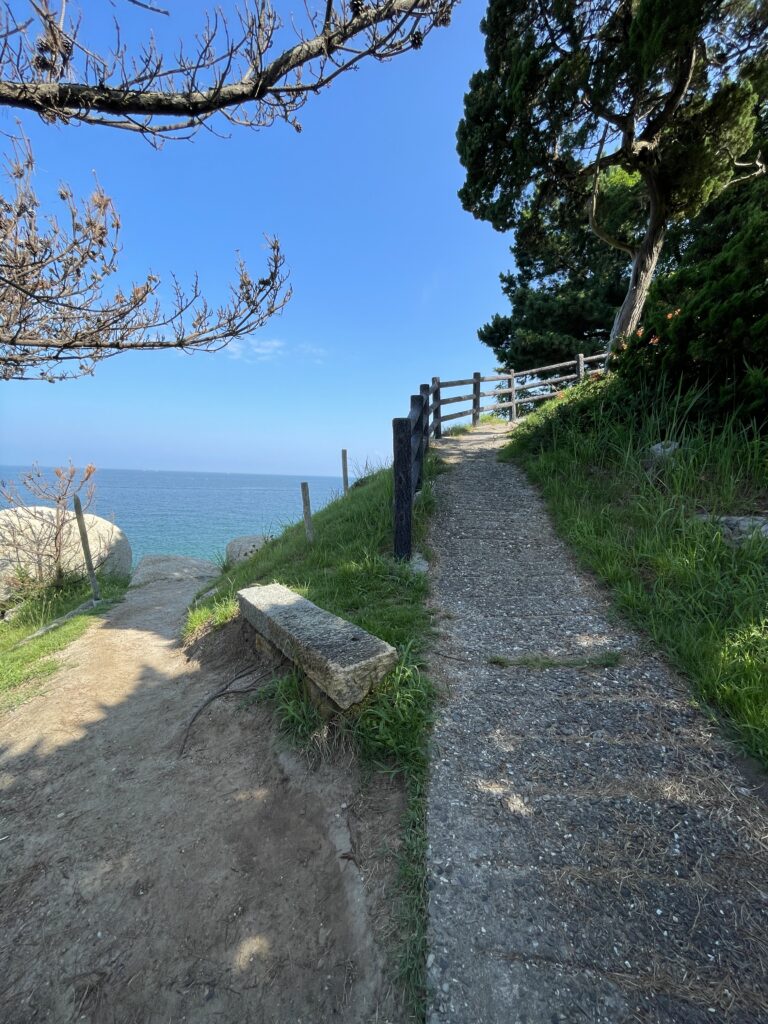
To reach the rock tunnel, you pass across a rocky shoreline. The ground can be uneven, and the rocks near the water may be slippery.
In a practical sense, yes, this means you should watch your step.
In a symbolic sense, it is also rather fitting.
Before passing through a place of rebirth, the ground asks you to slow down first. No dramatic music, no glowing entrance, just rocks under your feet saying, “Please pay attention.”
Honestly, that feels very Shinto.
Passing Through as a Symbol
The idea of The Rock Tunnel of Rebirth is simple.
You enter the narrow opening.
You pass through the stone.
You come out again into the light and sea air.
That movement can be read as a quiet image of renewal.
In Shinto, purification is not necessarily about becoming perfect. It is more like returning to a clearer state. Something has gathered on you — dust, heaviness, noise, old thoughts — and you let it fall away little by little.
Passing through the rock can be seen in that same way.
Not a complete life reset. Not a magical personality upgrade.
Just a small crossing from one state to another.
And sometimes, that is enough.
Izanagi and Izanami: Birth, Loss, and Return
Izanagi and Izanami are often remembered as the kami who gave birth to the islands of Japan. Awaji Island is especially important because it is remembered as the first island born in that myth.
But their story is not only about birth.
It also contains separation, death, return, and transformation. Izanagi crosses into the land of the dead to find Izanami. He returns from that dark world and purifies himself. From that act of purification, new sacred beings are born.
So the symbolism around this rock tunnel becomes deeper.
A narrow passage.
A return to darkness.
An emergence into light.
The sea nearby.
The kami of creation enshrined above.
The shape of the place quietly echoes the movement of the myth.
Rebirth, but Quietly
The word “rebirth” can sound very large.
It may make you imagine a dramatic before-and-after moment, as if someone walks through the tunnel and comes out with perfect wisdom, flawless skin, and maybe better time management.
Probably not.
Japanese sacred places are often more subtle than that.
Here, rebirth may simply mean this:
You pause.
You pass through.
You come out a little lighter.
The rock does not force a meaning on you. It simply offers a shape — entrance, passage, exit.
In Shinto, that kind of quiet form can hold a great deal.
A Small Place with a Deep Image
The Rock Tunnel of Rebirth is not powerful because it is large or ornate.
Its meaning comes from the way several images meet in one place: the sea, the stone, the shrine, the myth of Izanagi and Izanami, and the simple act of passing through.
It is a small coastal rock passage.
But seen through Shinto, it becomes an image of creation, return, purification, and beginning again.
Not loudly.
Just quietly, in the shape of stone.