About This Shrine
Moto-Ise Naikū Kōtai-jinja is a Shinto shrine in the northern Kyoto area, deeply connected with the Moto-Ise tradition.
The main kami enshrined here is Amaterasu-Ōmikami, the sun kami and one of the central kami in Japanese mythology.
According to the shrine tradition, Amaterasu-Ōmikami was enshrined here for four years before her sacred presence was later moved to Ise. This history is why the shrine is remembered as Moto-Ise Naikū, a former shrine connected with the Inner Shrine of Ise Jingū.
Amaterasu-Ōmikami is associated with blessings such as peace for the land, abundant harvests, life force, and overall protection.
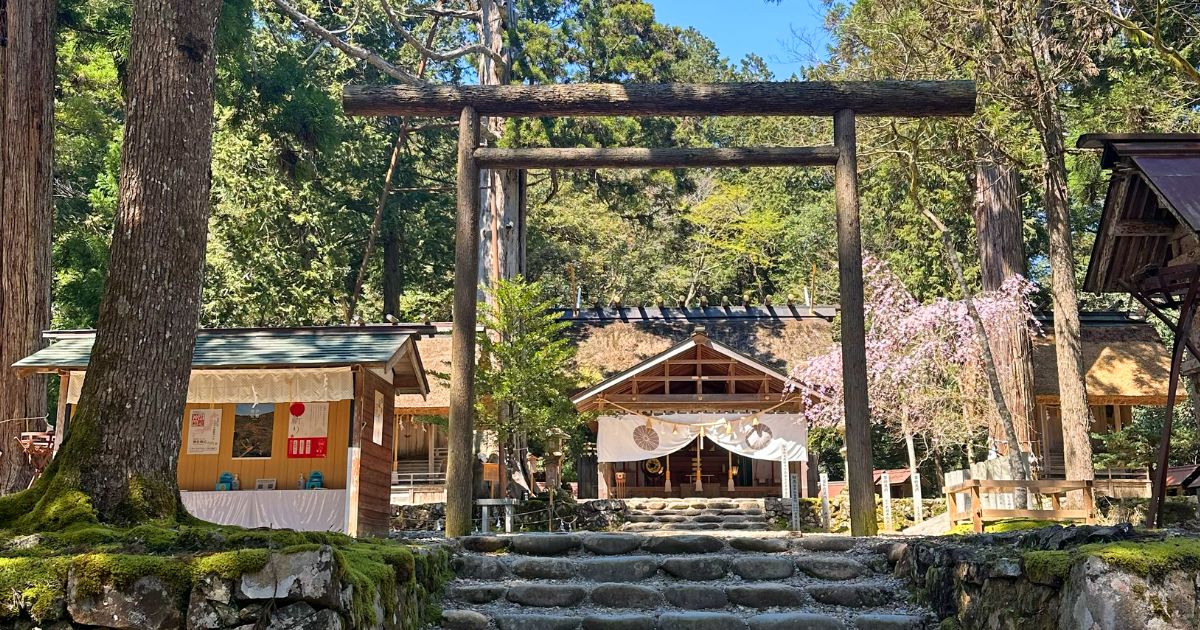
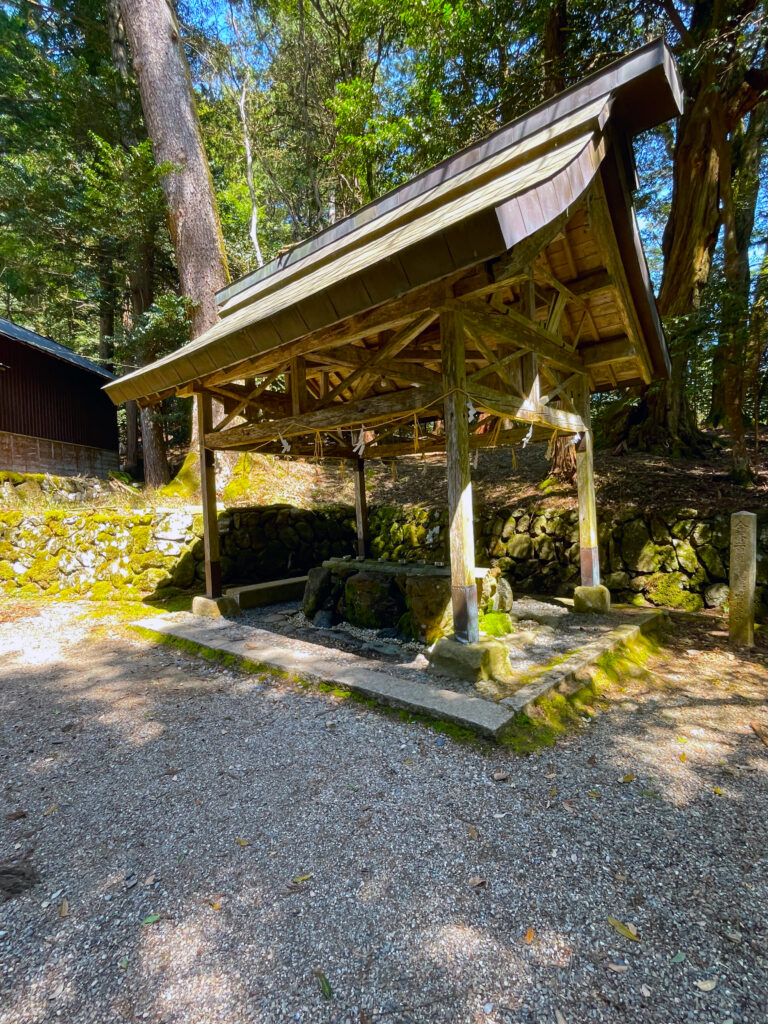
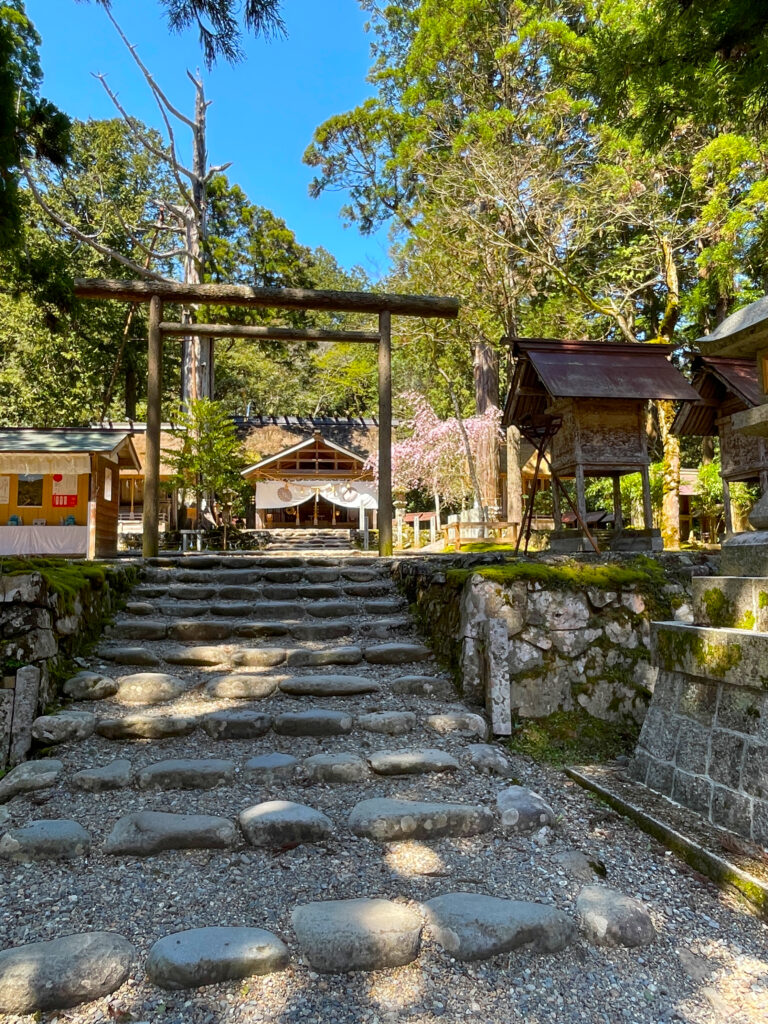
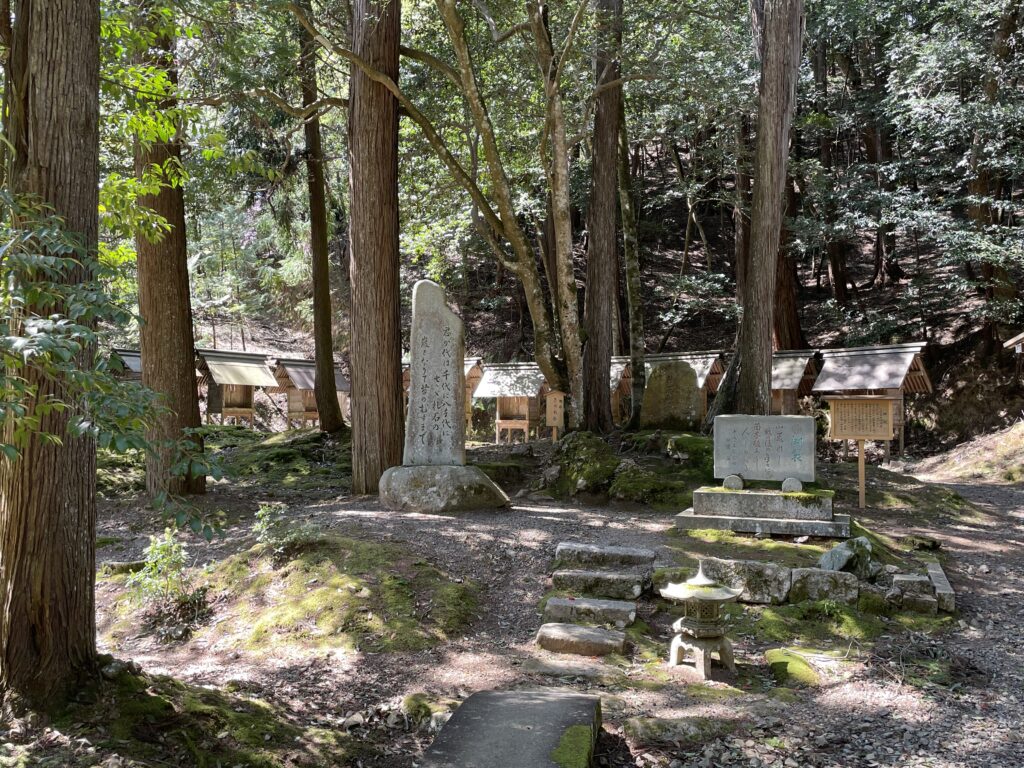
Set in a quiet forest, the shrine has stone steps, large trees, a thatched shrine building, and an old-style torii gate. Together, they give the place a simple and ancient atmosphere.
Photo Gallery
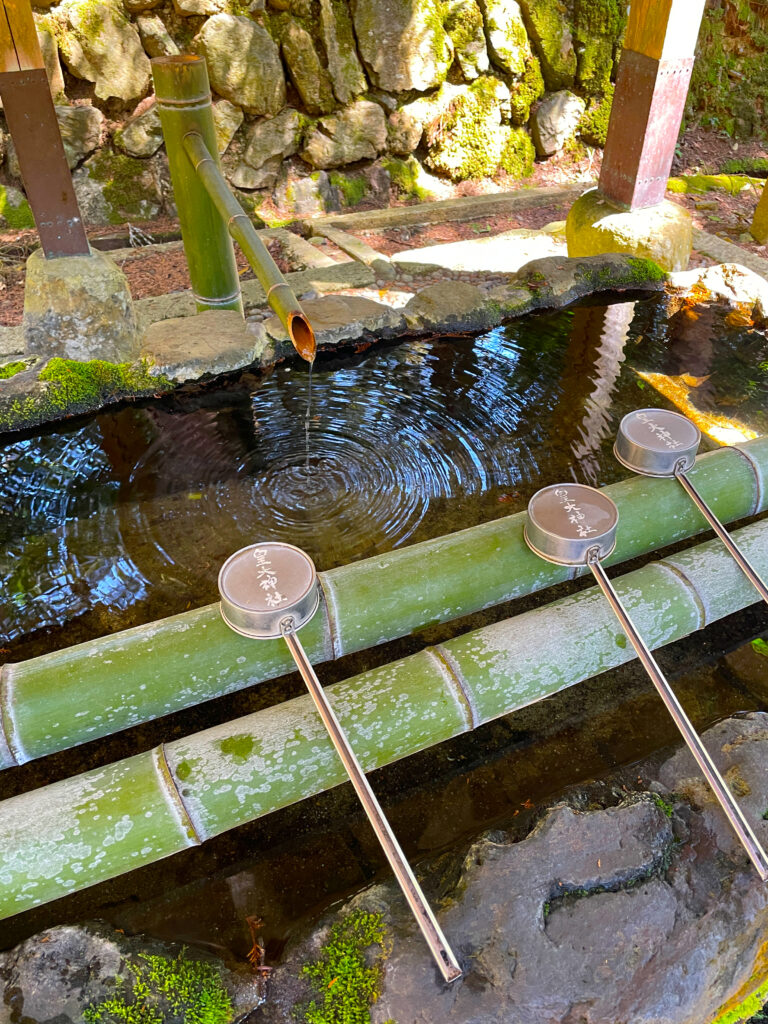
Why This Shrine Is Called Moto-Ise Naikū
Moto-Ise can be understood as “former Ise.”
Kōtai-jinja is called Moto-Ise Naikū because of its connection with Amaterasu-Ōmikami before her later enshrinement at Ise Jingū.
According to the shrine tradition, during the reign of Emperor Sujin, Amaterasu-Ōmikami was moved from Yamato Kasanui-no-Mura in present-day Nara Prefecture and was enshrined in this region for four years.
After that, the journey continued through several other places before Amaterasu-Ōmikami was finally enshrined at Ise.
Kōtai-jinja preserves one part of the story of how Amaterasu-Ōmikami came to Ise.
The Kami of Kōtai-jinja
The main kami of Kōtai-jinja is Amaterasu-Ōmikami.
Amaterasu-Ōmikami is the sun kami and one of the central kami in Japanese mythology. At Ise Jingū, she is enshrined at Naikū, the Inner Shrine.
Kōtai-jinja is remembered as one of the places where Amaterasu-Ōmikami was worshipped before Ise became her final place of enshrinement.
Because of that, this shrine is closely connected with the long journey toward Ise. For readers following the Moto-Ise tradition, Kōtai-jinja helps make that journey feel more concrete.
The Shrine Grounds and the Forest
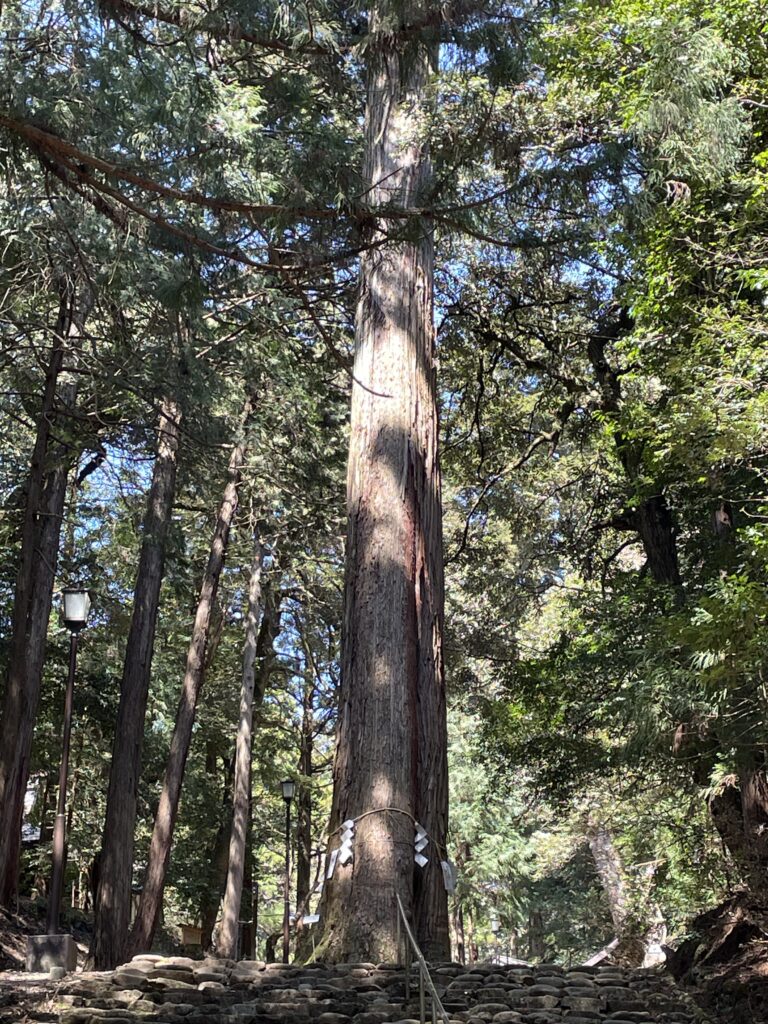
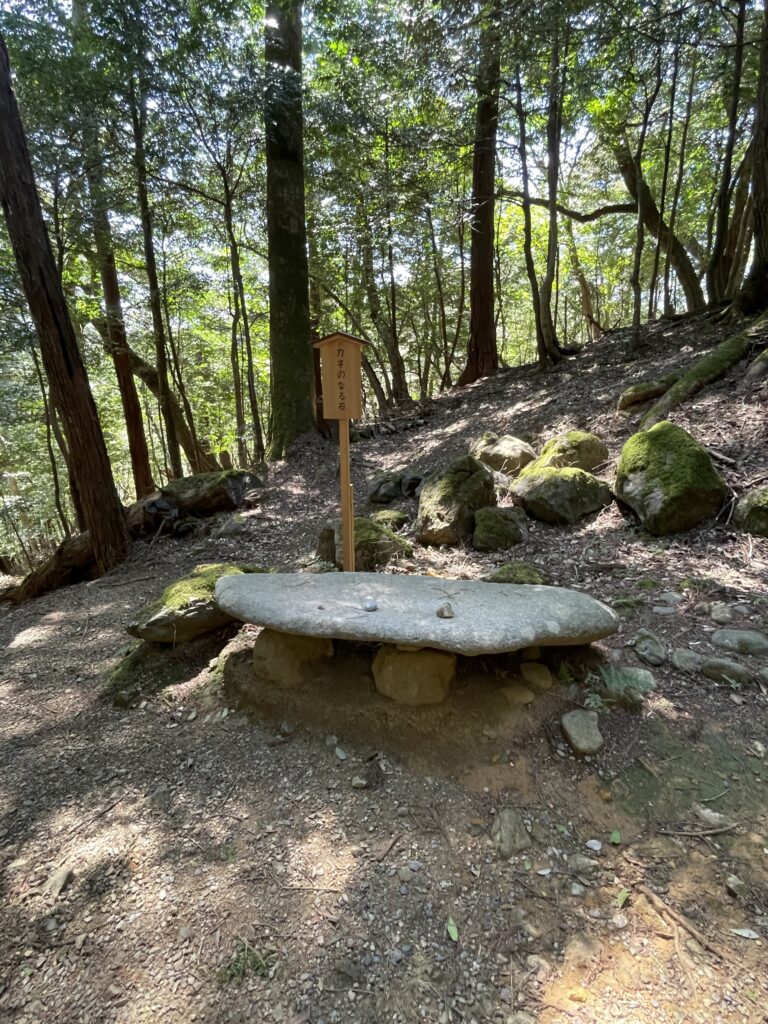
One of the strongest impressions of Kōtai-jinja is its forest.
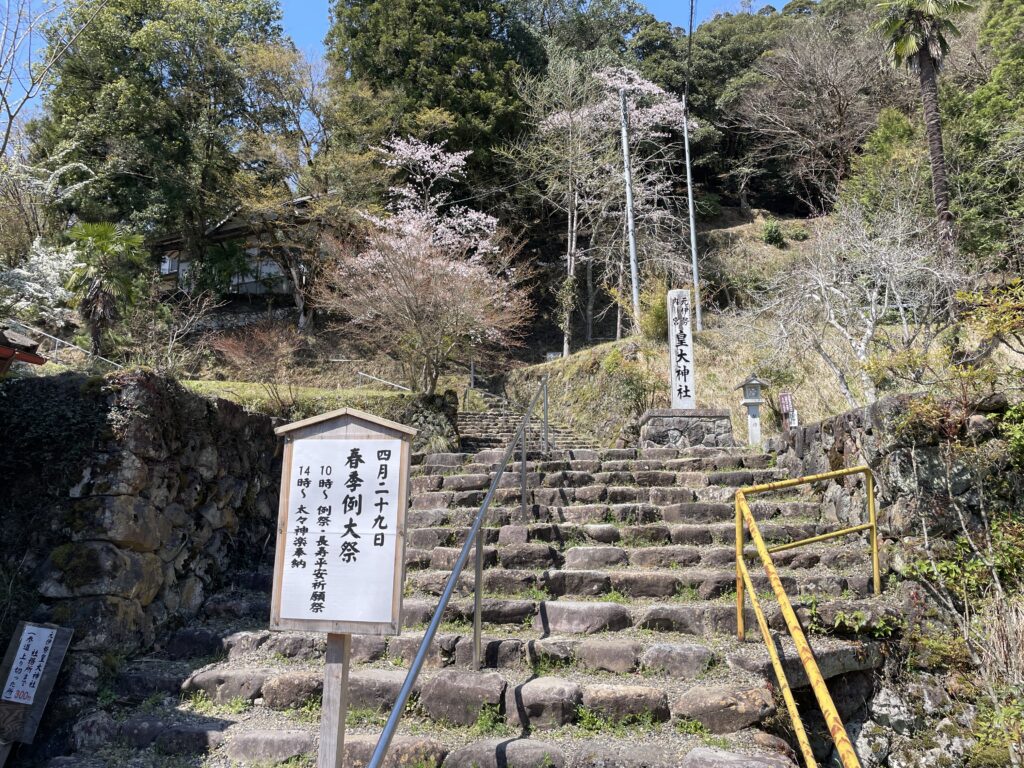
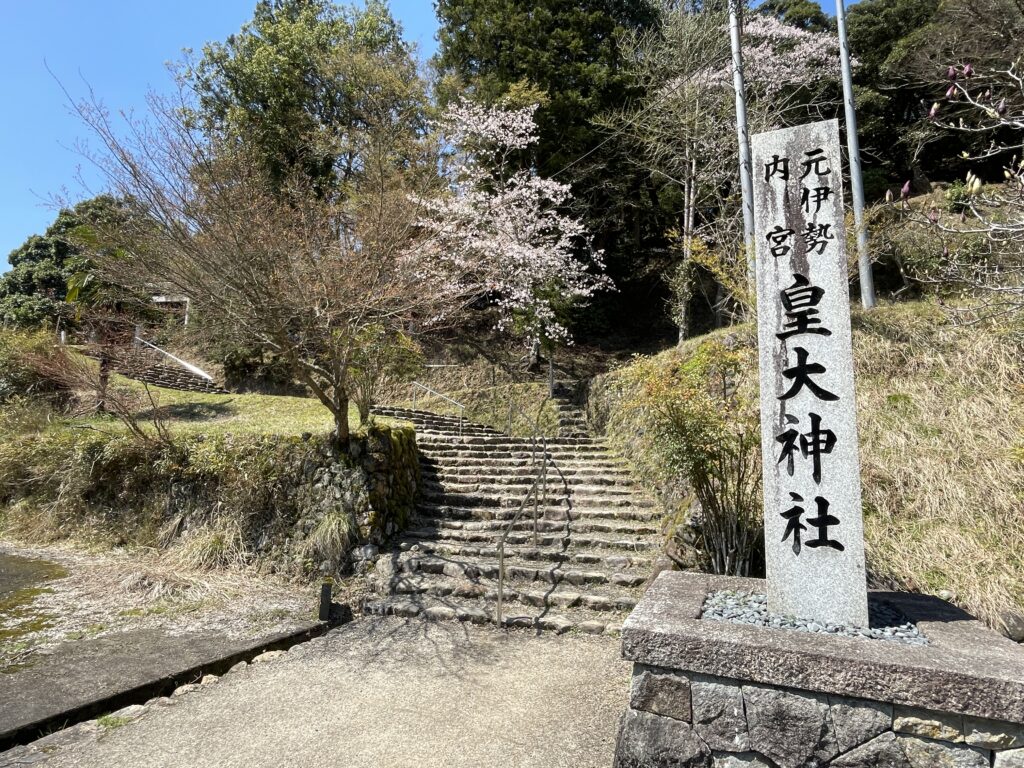
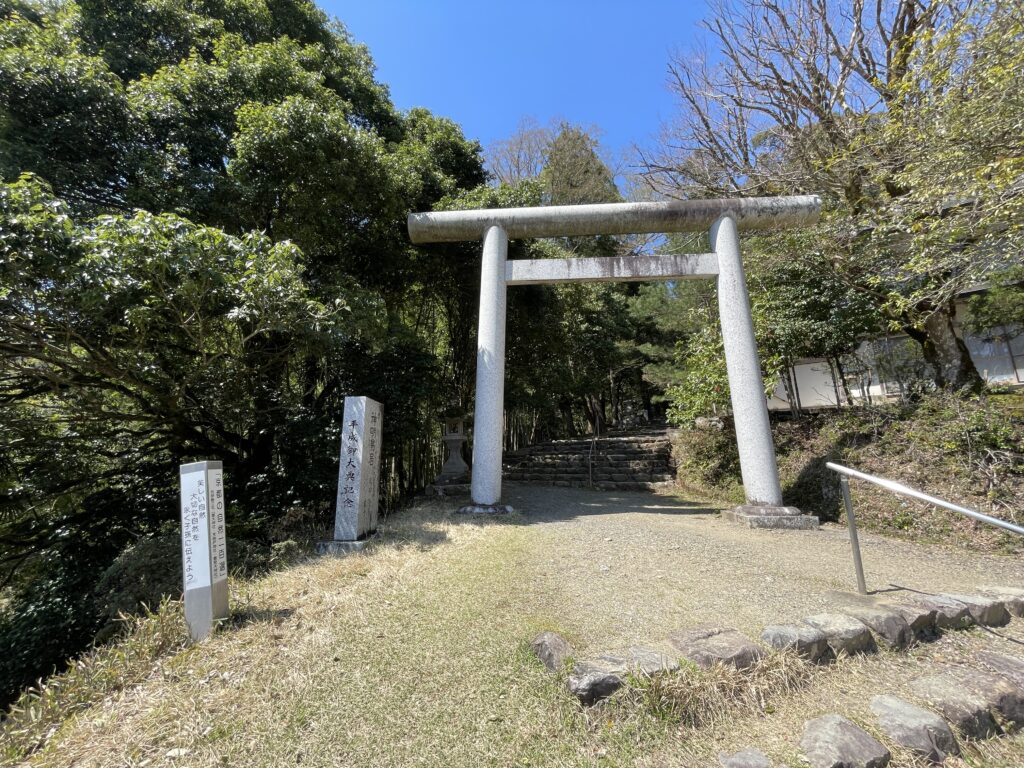
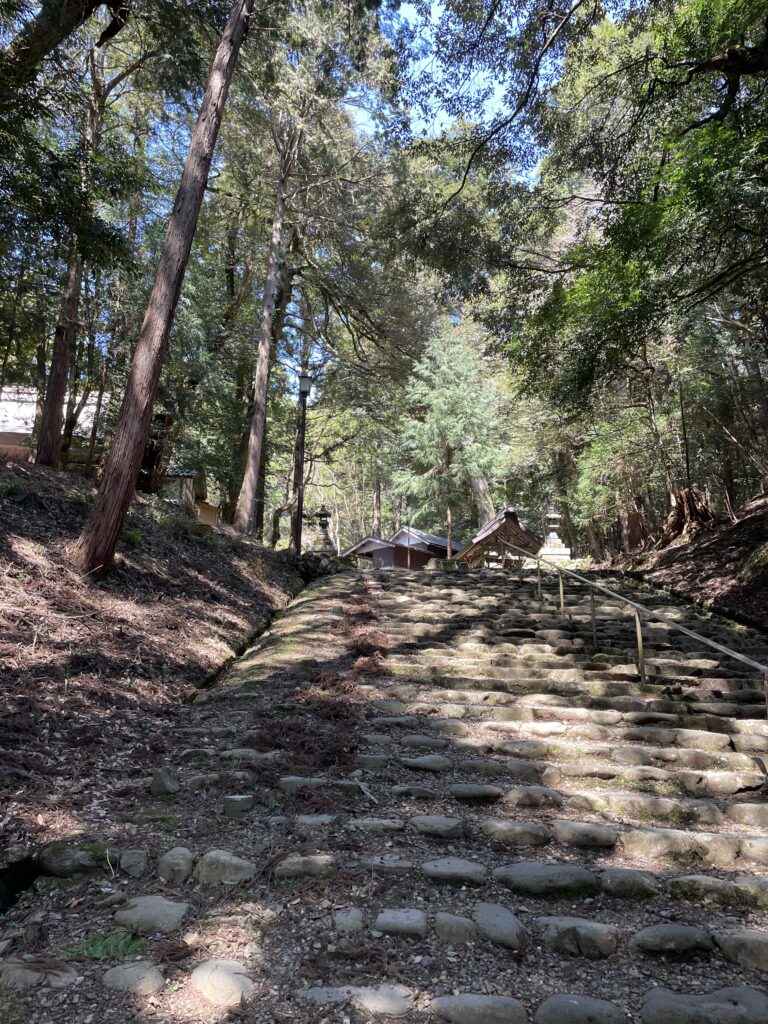
The shrine is surrounded by large trees and deep greenery. The approach is about 300 meters long, with around 220 stone steps made from natural stone.
Visitors slowly climb through the forest toward the shrine. As you walk, the sound of the trees, the stone path, and the quiet air become part of the visit.
Kōtai-jinja feels old not only because of its history, but also because of the path, stones, trees, and silence of the shrine grounds.
The Main Shrine Building and the Black-Wood Torii
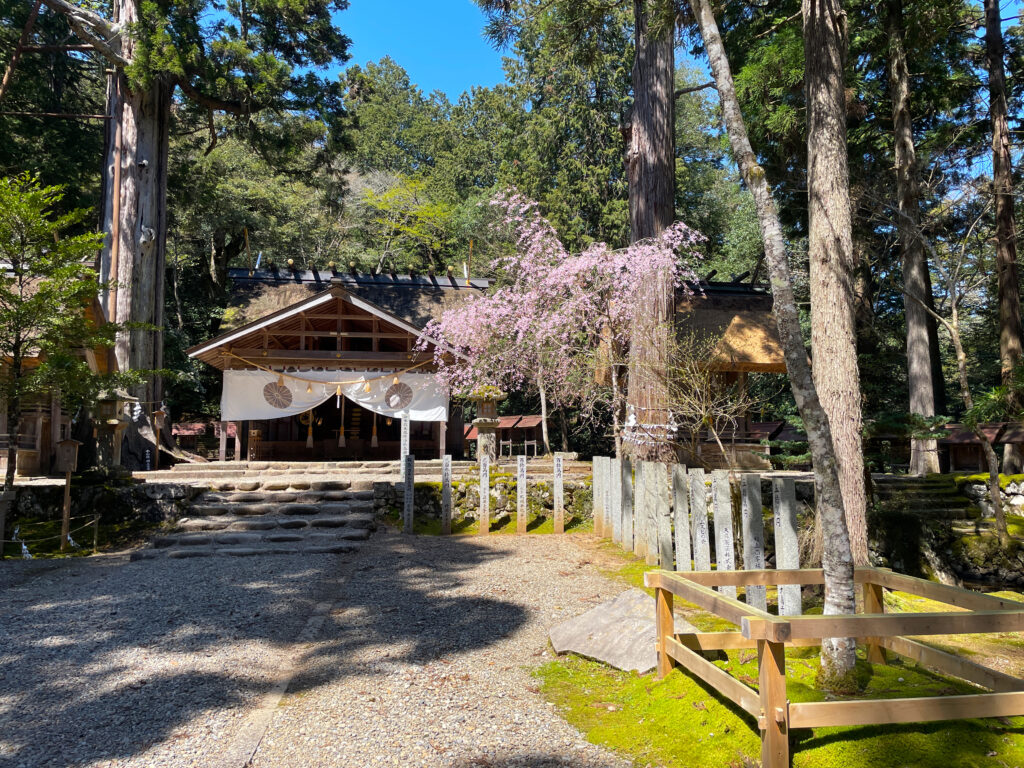
The main shrine building is built in the shinmei-zukuri style, the same basic architectural style associated with Ise Jingū.
At Kōtai-jinja, the main shrine has a thatched roof, giving it a simple and old-fashioned appearance.
Another important feature is the kuroki no torii, or black-wood torii. This torii is made from logs with the bark still attached.
What makes this torii so memorable?
Its simple form feels almost like part of the forest itself. Together with the thatched shinmei-zukuri building, it gives Kōtai-jinja one of the most distinctive appearances among Moto-Ise shrines.
The Small Shrines Around the Main Hall
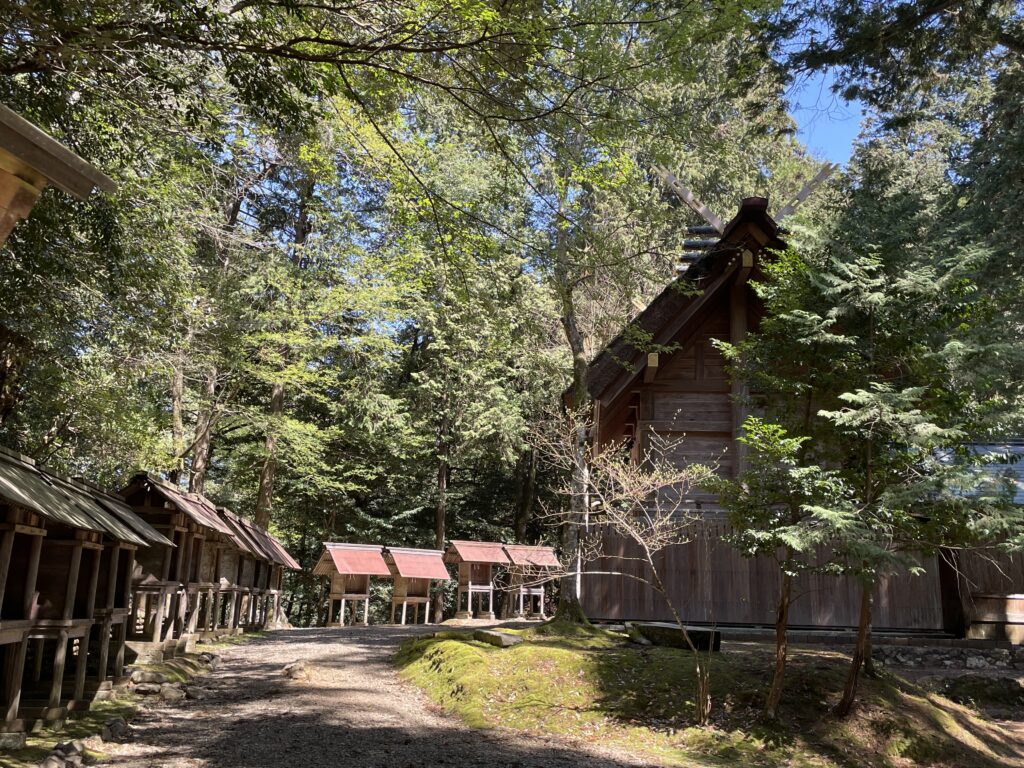
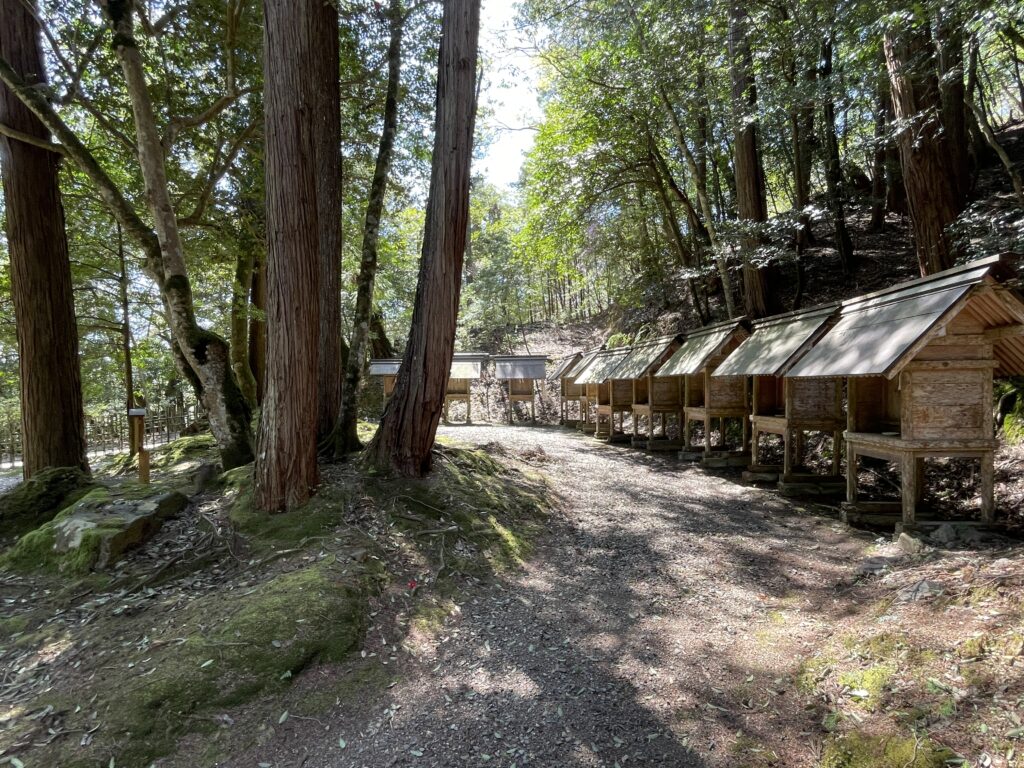
Around the main shrine building, there are two wakimiya, or side shrines, and many smaller shrines.
These small shrines surround the main shrine area and create a distinctive layout. The visit feels layered, with Amaterasu-Ōmikami at the center and many other kami gathered around her.
In the forest, the main hall, side shrines, small shrines, old trees, and surrounding mountain landscape come together to form one shrine space.
Visiting with the Moto-Ise Three Shrines
Kōtai-jinja is often introduced together with two other shrines in the same area: Moto-Ise Gekū Toyouke Daijinja and Moto-Ise Ama-no-Iwato Shrine.
Together, they are known as the Moto-Ise Three Shrines.
Kōtai-jinja is connected with Amaterasu-Ōmikami and the tradition of Moto-Ise Naikū. Toyouke Daijinja is connected with Toyouke-no-Ōkami and the tradition of Moto-Ise Gekū. Ama-no-Iwato Shrine is connected with the heavenly rock cave myth and the mountain landscape of this area.
If you have time, visiting all three gives a fuller sense of the Moto-Ise tradition.
Each shrine has a different atmosphere. Kōtai-jinja feels quiet and forested, Toyouke Daijinja carries the connection with Toyouke-no-Ōkami, and Ama-no-Iwato Shrine feels more closely connected with rocks, water, and the mountain.
Read the Moto-Ise Gekū Toyouke Daijinja Article Here
Read the Moto-Ise Ama-no-Iwato Shrine Article Here
What to Notice When You Visit
When visiting Kōtai-jinja, first notice the approach. The long stone steps and forest are part of the experience.
The black-wood torii is also worth paying attention to. Because it is made with bark-covered logs, it feels more natural and ancient than many painted torii gates.
The thatched shinmei-zukuri main shrine quietly reflects the shrine’s connection with Ise.
It is also worth taking time to notice the smaller shrines around the main hall. They show that this is an old shrine space with many layers.
As always, follow the signs and local guidance when taking photos or entering specific areas. This is especially important at shrines that preserve old forms of worship and historical buildings.
Final Thoughts
Moto-Ise Naikū Kōtai-jinja is one of the important shrines connected with the Moto-Ise tradition in northern Kyoto.
It is remembered as a place where Amaterasu-Ōmikami was worshipped before her later enshrinement at Ise.
The stone steps, forest, black-wood torii, thatched main shrine, and many small shrines create a quiet and ancient atmosphere.
For anyone interested in Ise Jingū, Amaterasu-Ōmikami, or older forms of Shinto worship, Kōtai-jinja is a place worth knowing.
It is not as widely known overseas as Ise Jingū itself. But it helps visitors see that the story of Ise is not found only in Ise.
It also lives in the places remembered along the way.