About This Shrine
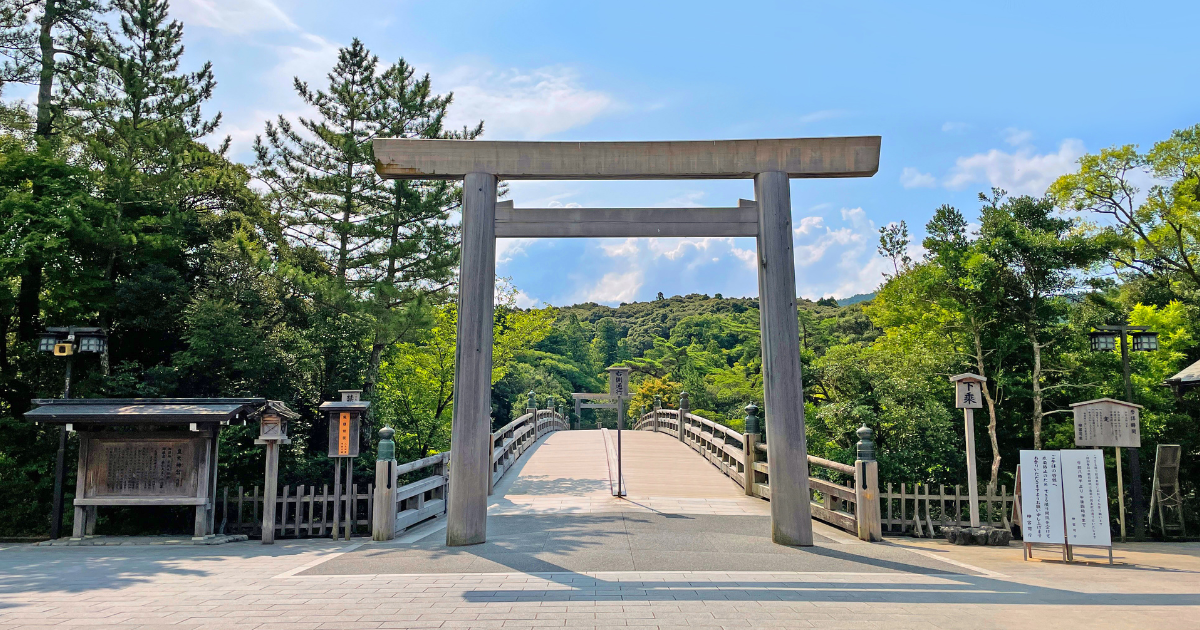
Ise Jingū is one of the most revered shrine complexes in Japan, centered around Naikū, the Inner Shrine, and Gekū, the Outer Shrine.
Within Ise Jingū, there are two stones that visitors may hear about before visiting: Fumanu-ishi at Naikū and Mitsuishi at Gekū.
Both are connected with shrine etiquette, but they should not be treated in the same way.
Fumanu-ishi is a stone people try not to step on.
Mitsuishi is a ritual place that should not be touched, worshipped, or treated as a “power spot.”
Photo Gallery
Fumanu-ishi at naikū
Mitsuishi at gekū
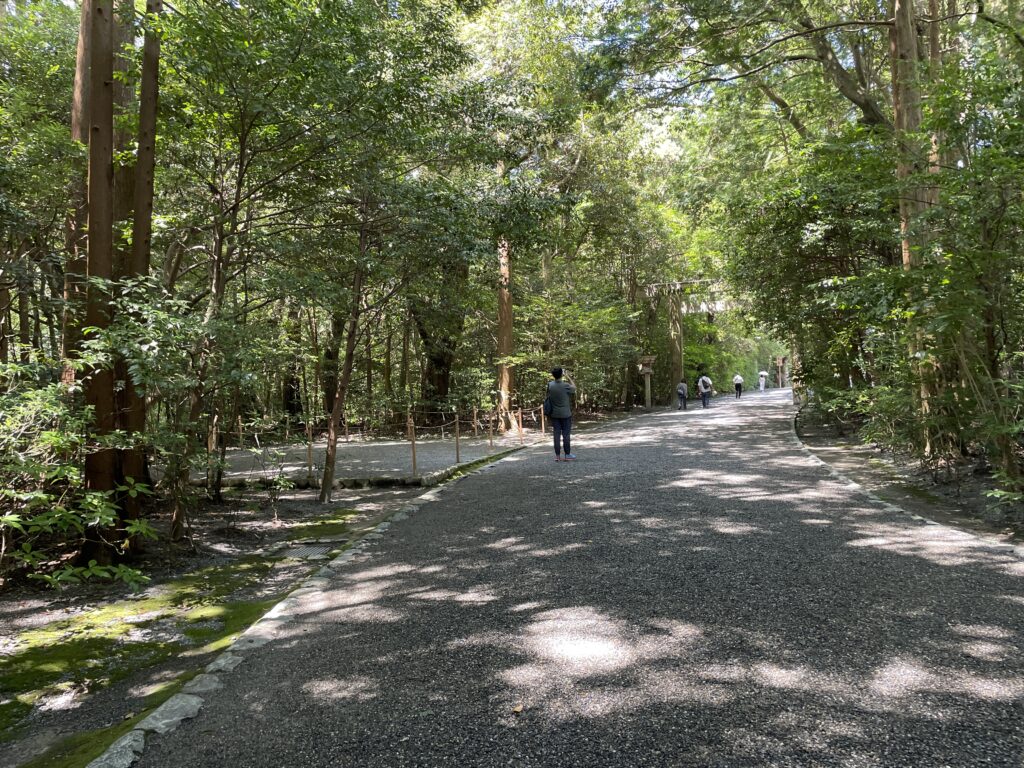
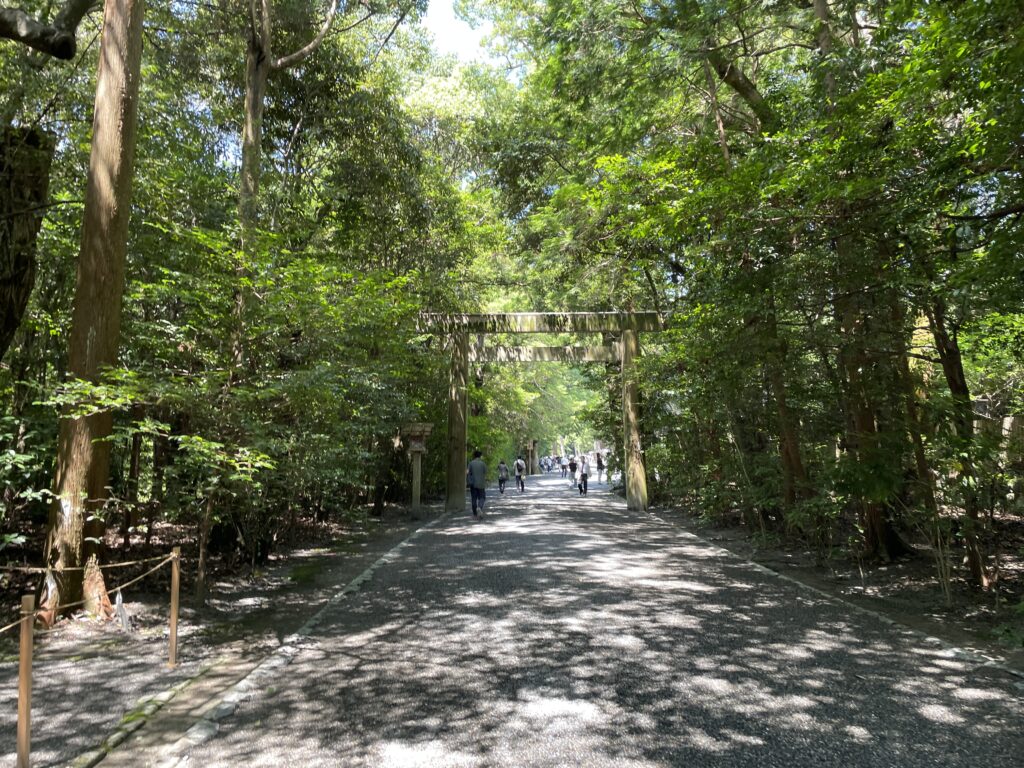
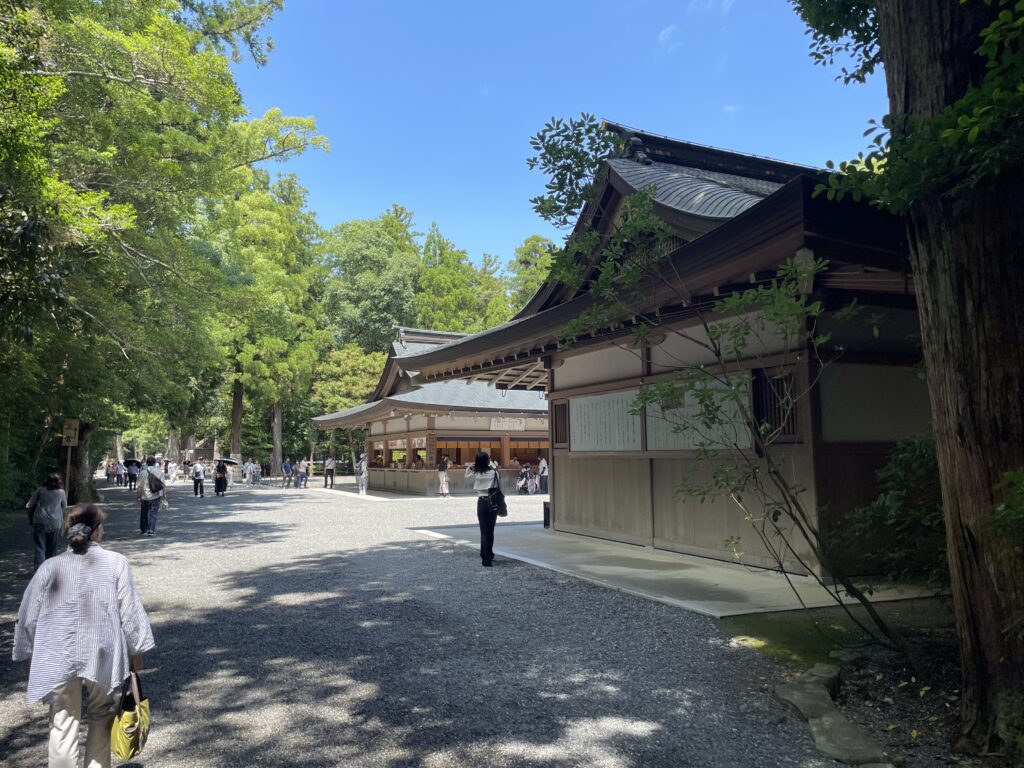
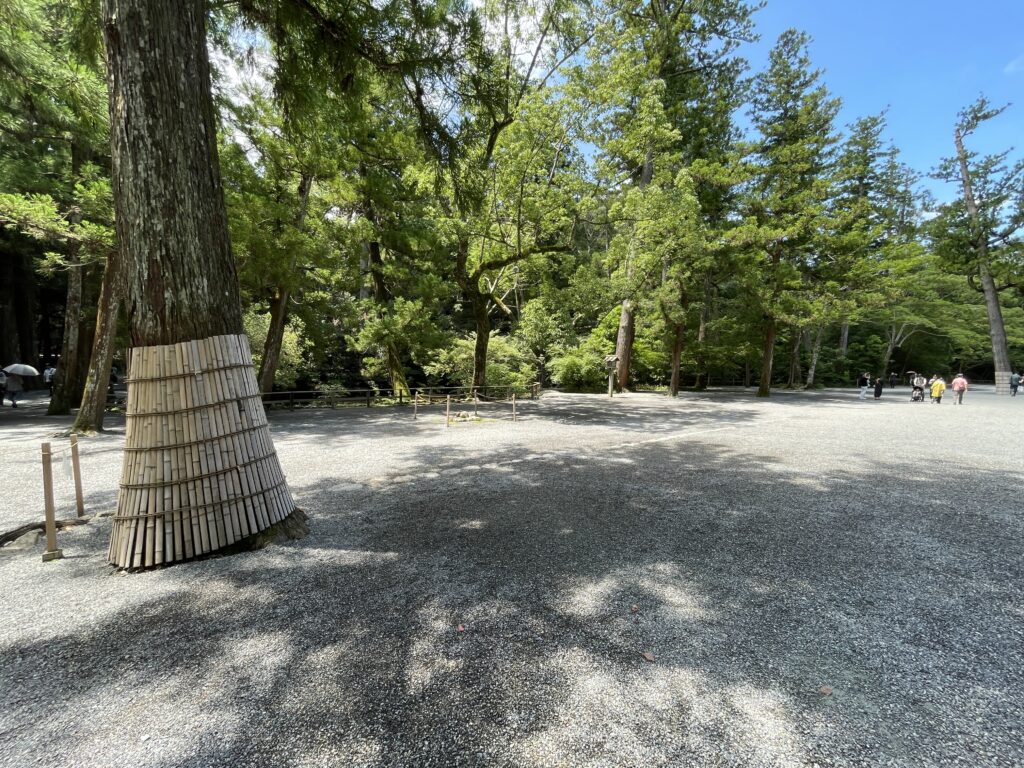
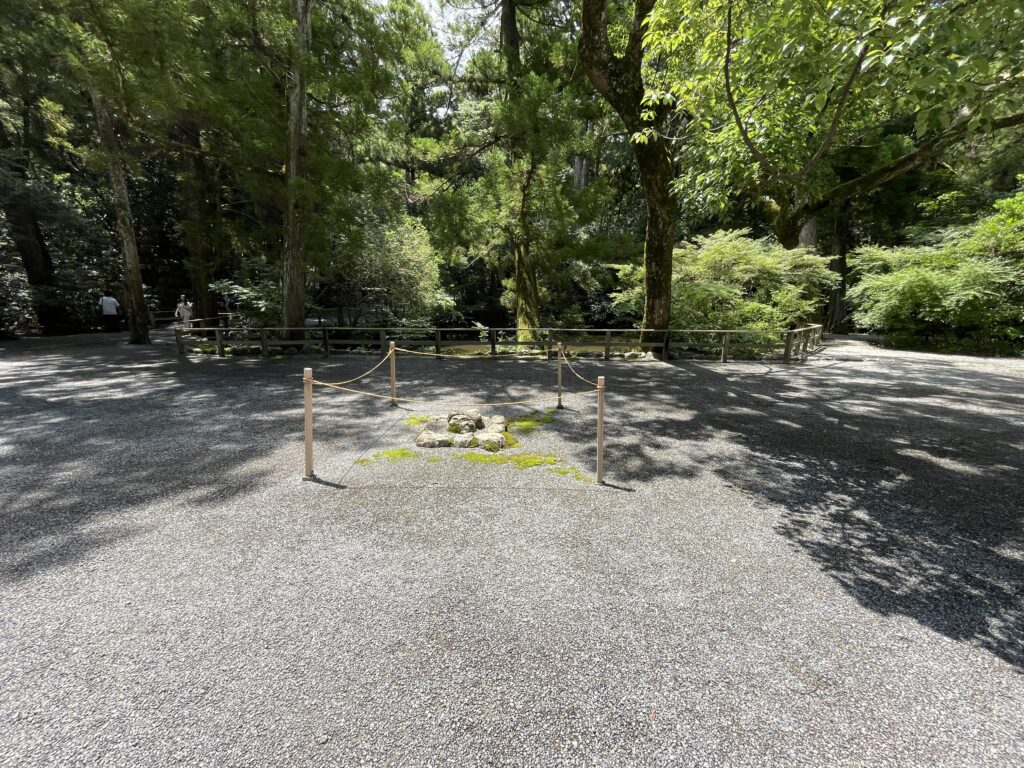
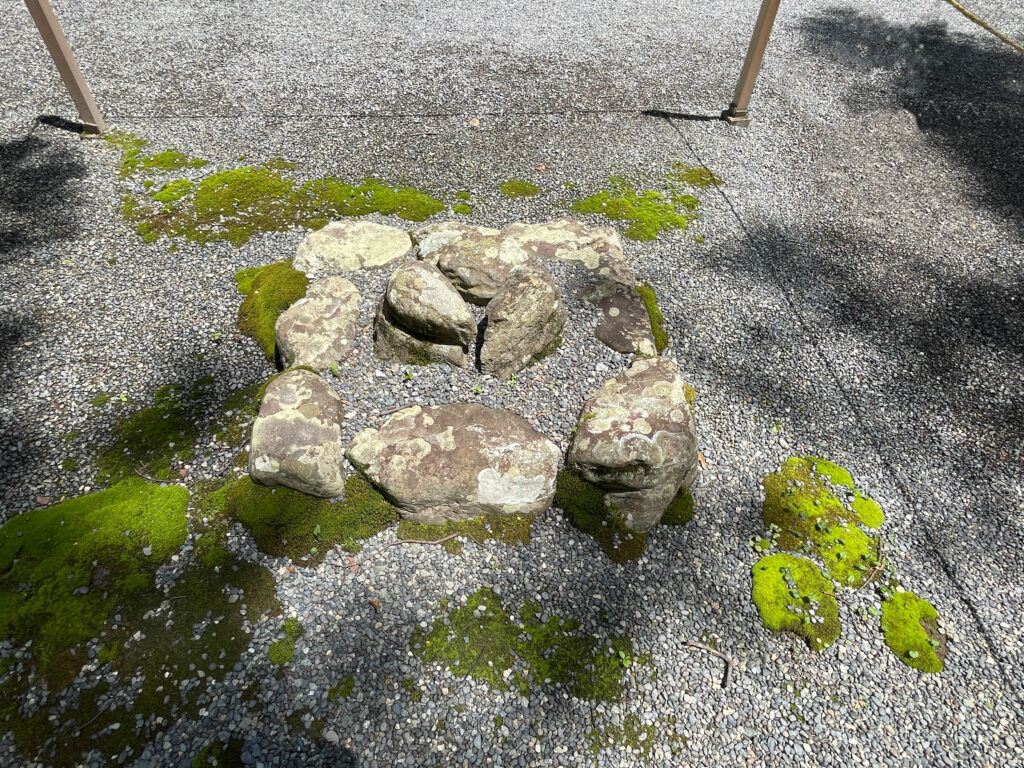
Fumanu-ishi at Naikū
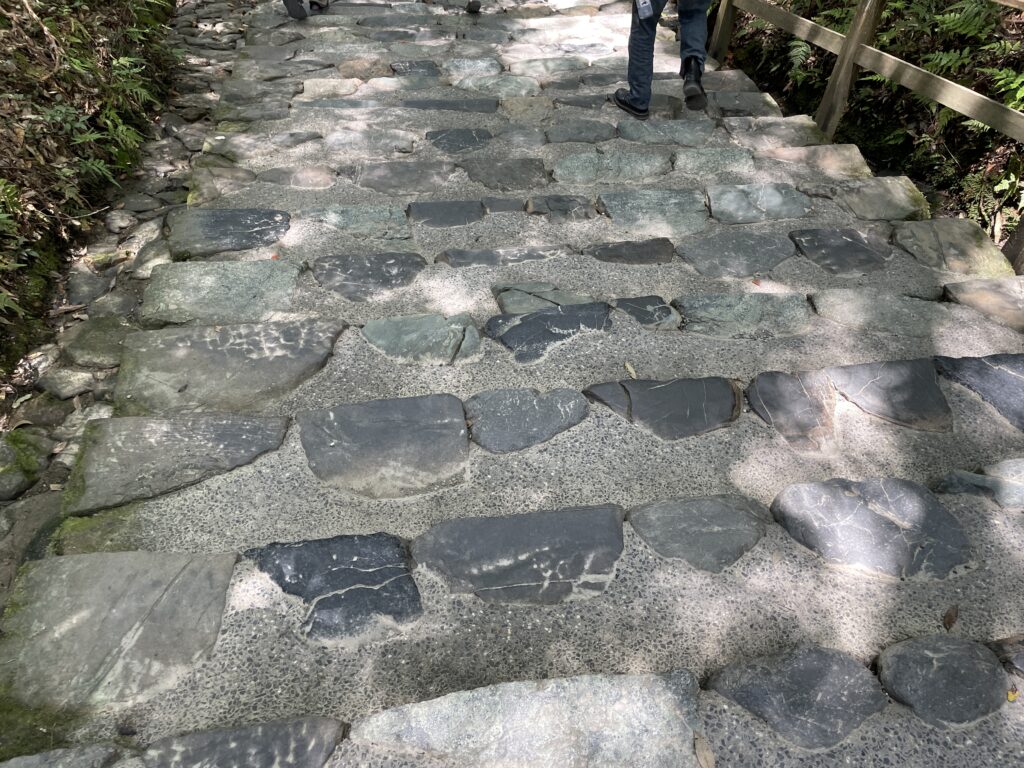
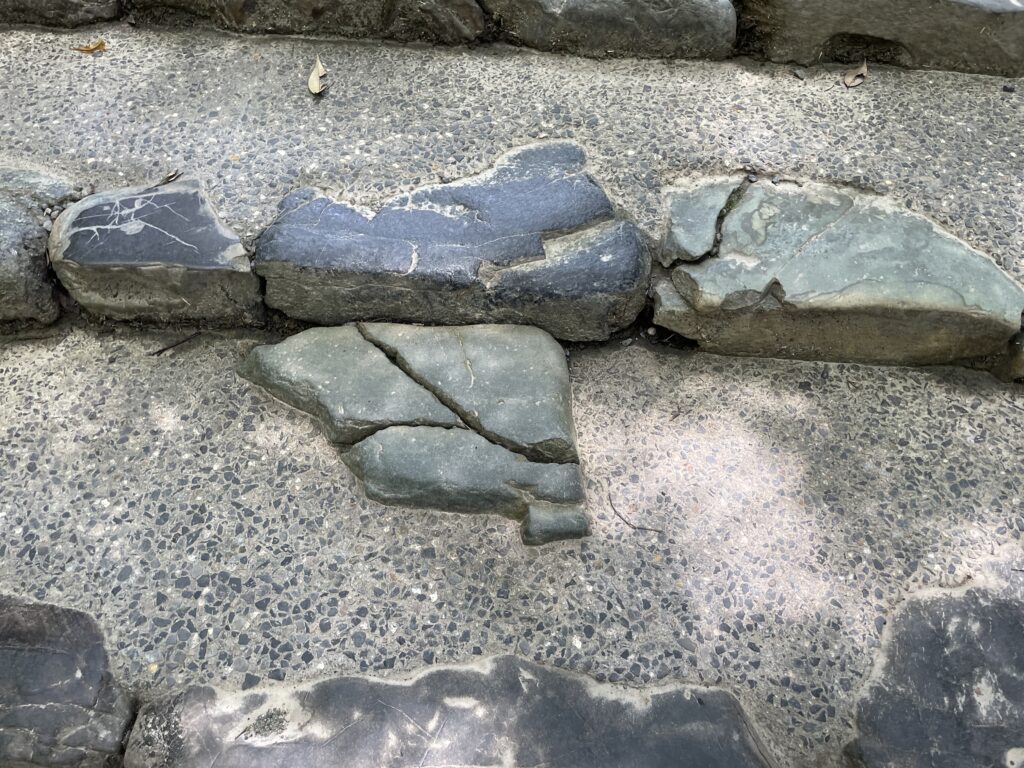
Fumanu-ishi means “the stone that should not be stepped on.”
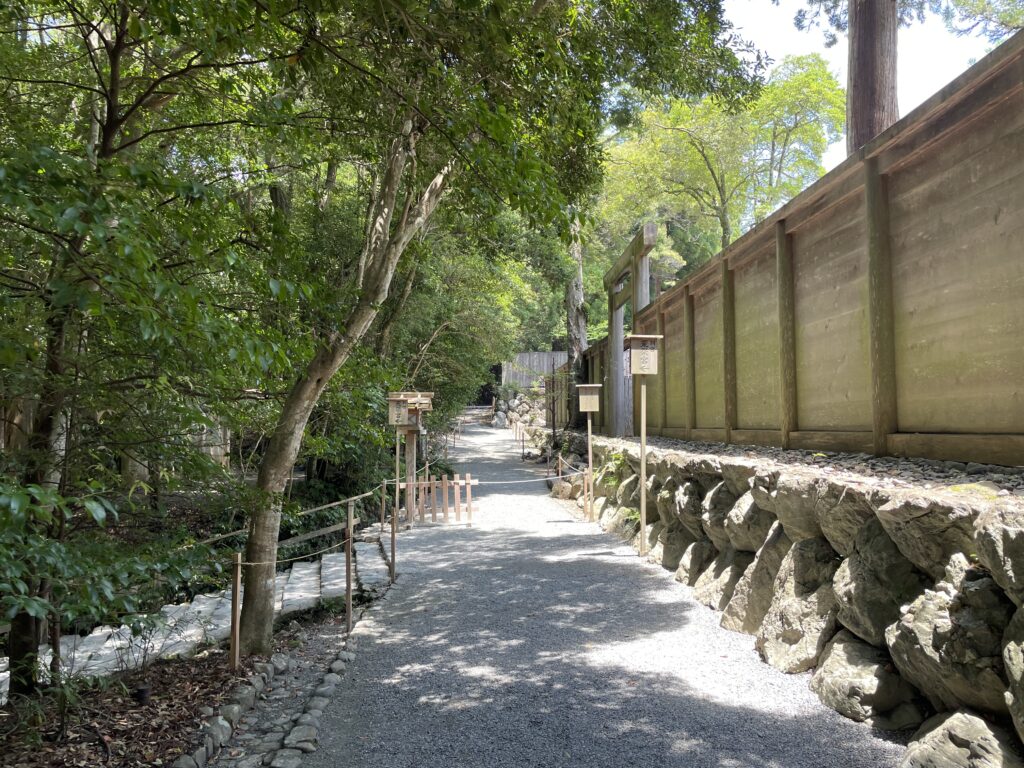
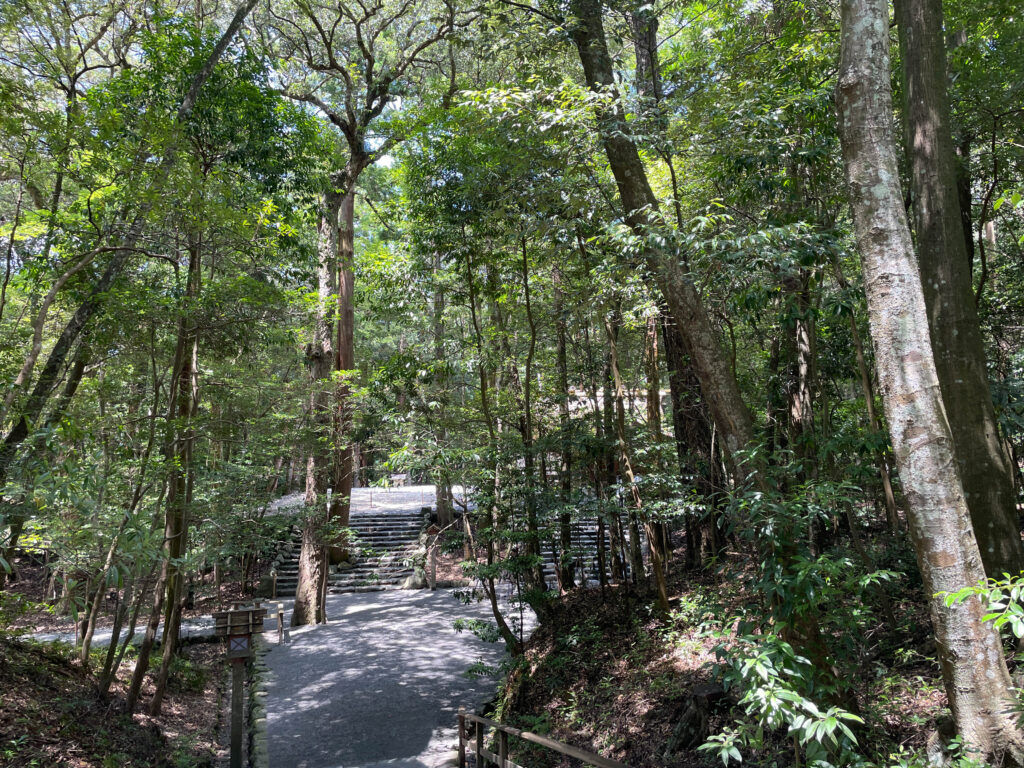
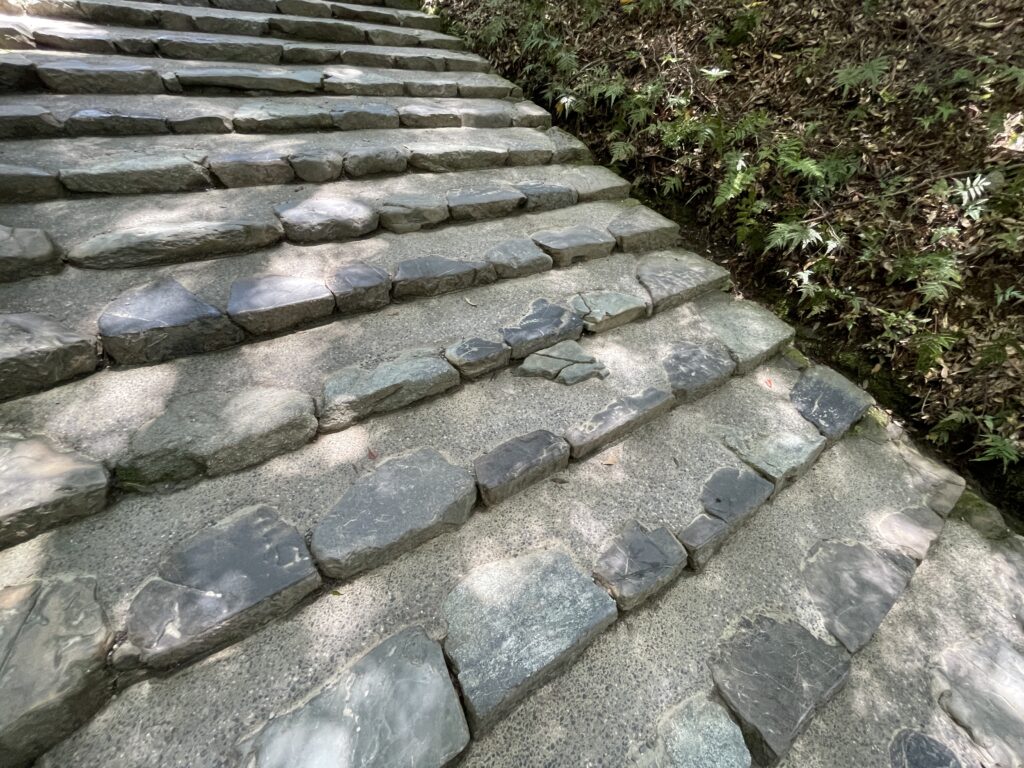
It is said to be located at Naikū, on the stone steps near Aramatsuri-no-Miya, the first auxiliary sanctuary of Naikū.
The stone is slightly raised from the surrounding steps and is located near the center of the stairway. Because of this, many visitors may pass by without noticing it.
There are several stories about why this stone should not be stepped on.
One common explanation is that the cracks in the stone look like the character 天, meaning “heaven,” or 人, meaning “person.” For this reason, stepping on it has been considered inappropriate.
Another way to understand Fumanu-ishi is through shrine etiquette.
At shrines, the center of the path is traditionally regarded as the way of the kami. Visitors are encouraged to walk along the side rather than directly through the center.
In that sense, Fumanu-ishi can also be seen as a reminder to walk carefully and respectfully inside the shrine grounds.
It is not a stone to touch or worship.
If you notice it, simply avoid stepping on it and continue your visit calmly.
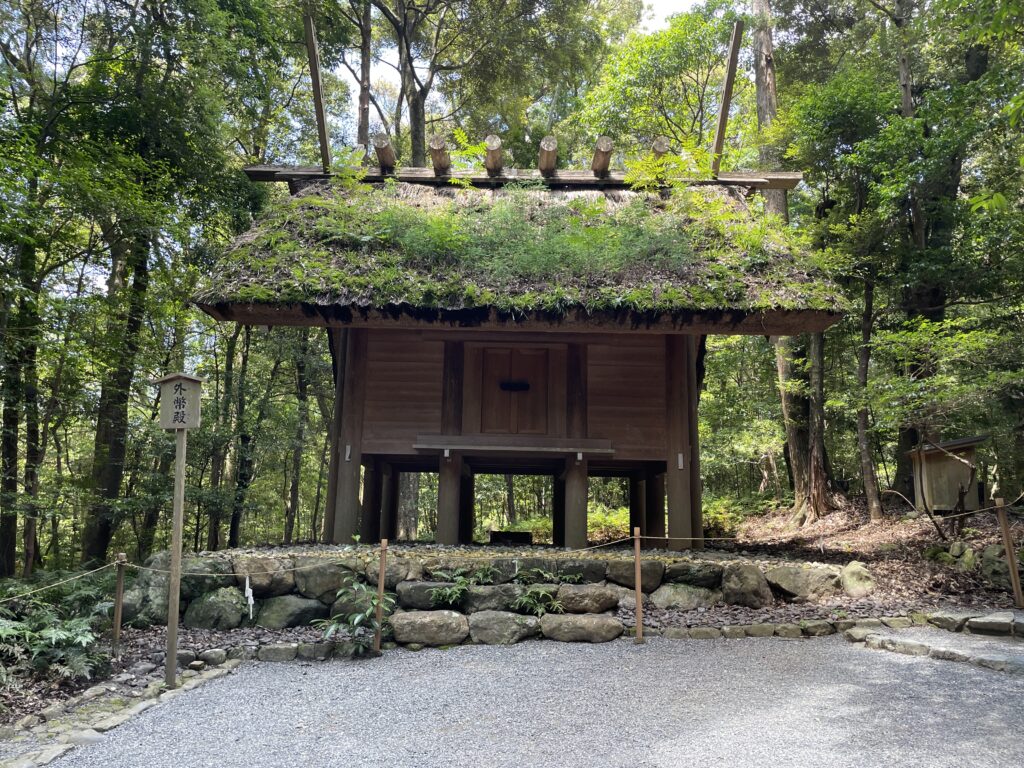
Mitsuishi at Gekū
Mitsuishi means “three stones.”
It is located at Gekū, on the southern side of Mishikichi, the sacred site connected with Shikinen Sengū.
Mitsuishi is not just a decorative stone arrangement.
According to Ise Jingū, it is the place where Kawara-Ōharai is performed. Kawara-Ōharai is a purification ritual held during Shikinen Sengū, in which sacred garments, treasures, and attendants are purified.
Because of this, Mitsuishi is a ritual place.
It is not a place for personal spiritual practice.
In recent years, some casual spiritual travel content has treated Mitsuishi as if it were a “power spot.” Because of this, some visitors hold their hands over the stones, pray to them, or treat them as if they were a source of energy.
This is not appropriate.
Ise Jingū clearly asks visitors not to hold their hands over Mitsuishi, because it is a place used for rituals.
Visitors should not touch it, worship it, place coins near it, or hold their hands over it.
The proper way to treat Mitsuishi is simple: look quietly from outside the boundary and move on with respect.
Why This Matters
Some stones, trees, and spaces at shrines may look simple, but they can have specific ritual meanings.
This is especially important at Ise Jingū, where many areas are not explained in a dramatic way. The quiet appearance of a place does not mean visitors are free to touch it or use it for their own spiritual practice.
When visiting a shrine, it is better to avoid acting based on rumors or social media trends.
If a place is marked off, used for rituals, or treated as part of shrine tradition, it should be approached with restraint.
Final Thoughts
Fumanu-ishi and Mitsuishi are both small places within Ise Jingū, but they teach different kinds of shrine etiquette.
Fumanu-ishi reminds visitors to be careful where they walk.
Mitsuishi reminds visitors not to turn a ritual place into a personal power spot.
The most respectful way to visit Ise Jingū is not to search for hidden energy or secret power.
It is to walk carefully, follow the shrine’s rules, and understand that even a simple stone may have a place within a much older tradition.