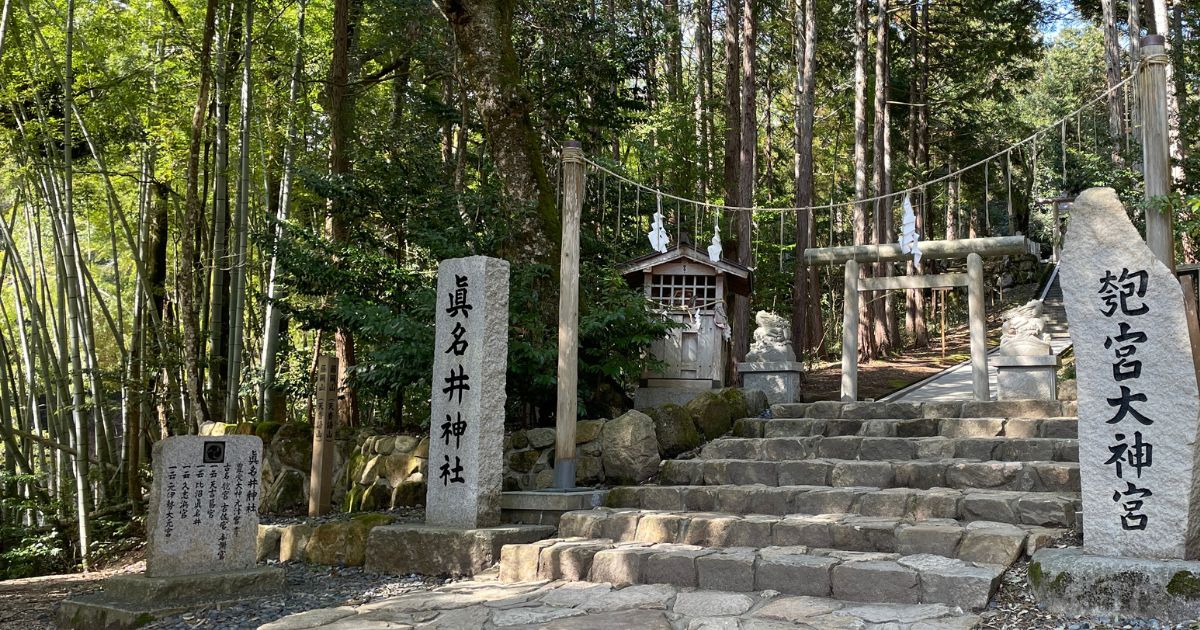
About This Shrine
Manai-jinja is the inner shrine, or okumiya, of Moto-Ise Kono-jinja in Miyazu, Kyoto Prefecture.
It stands behind Kono-jinja, near the northern side of Amanohashidate.
For people interested in Moto-Ise, Manai-jinja is one of the most important places to visit together with Kono-jinja.
Manai-jinja preserves the memory of the older place of worship at Manaihara.
This is where Toyouke-no-Ōkami was worshipped before the tradition says Amaterasu-Ōmikami came here and was enshrined together with Toyouke-no-Ōkami for four years.
Compared with Kono-jinja, Manai-jinja feels quieter and more hidden.
It is a place where the older layers of worship in the Tango region feel very close.
Photo Gallery
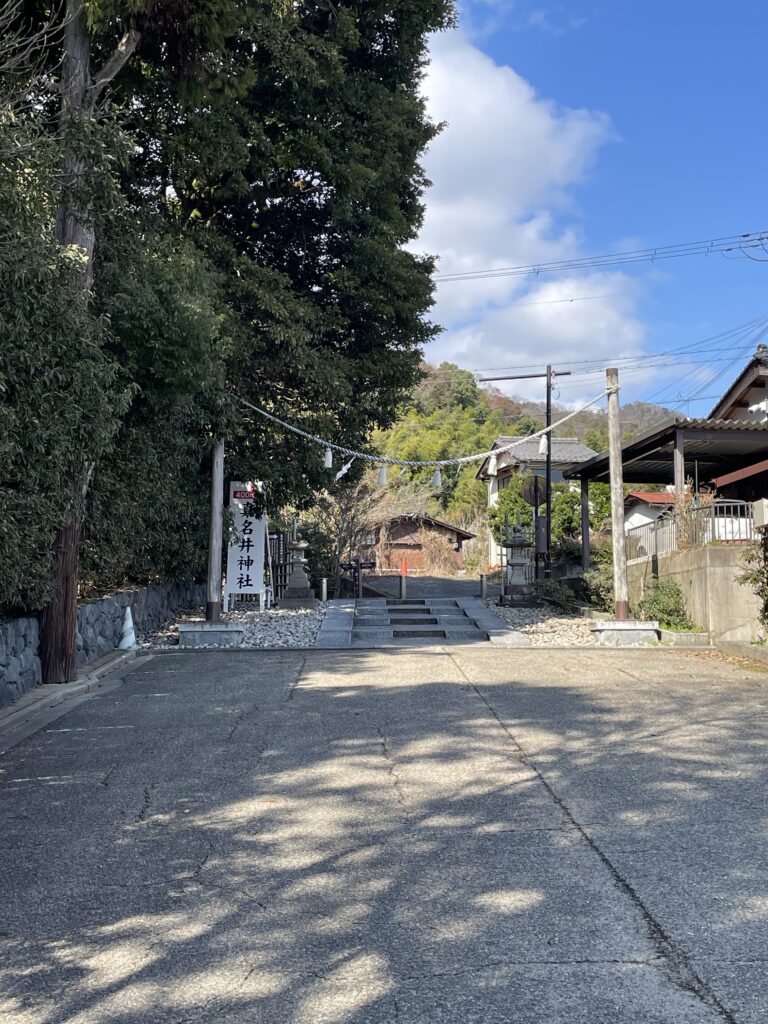
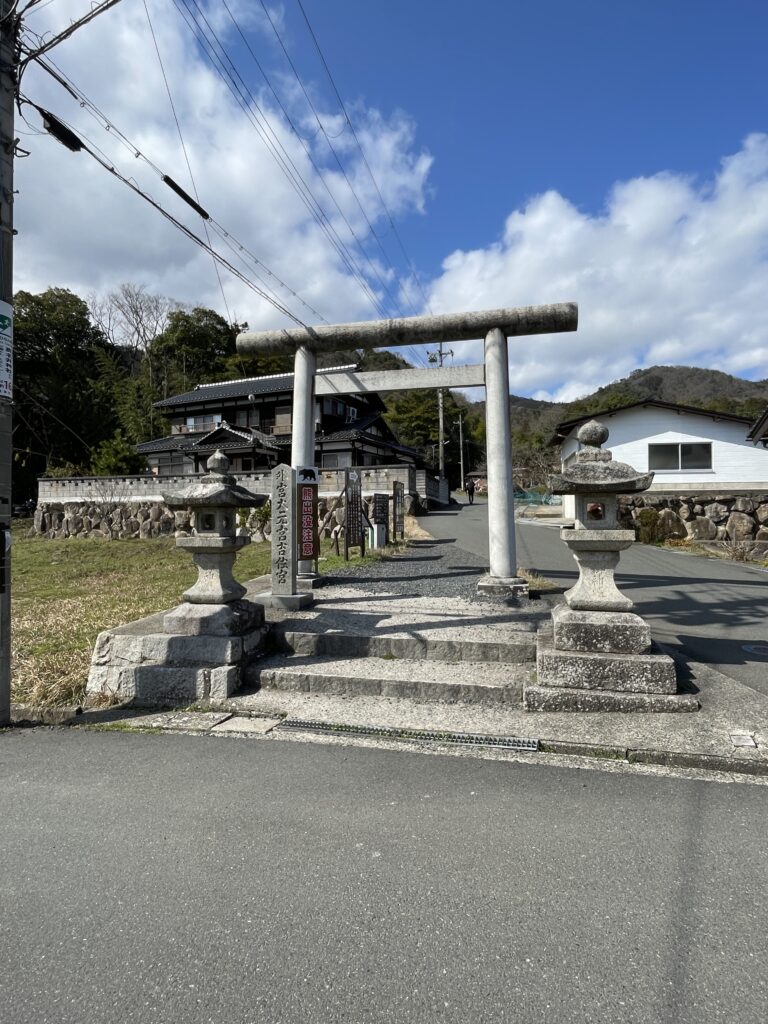
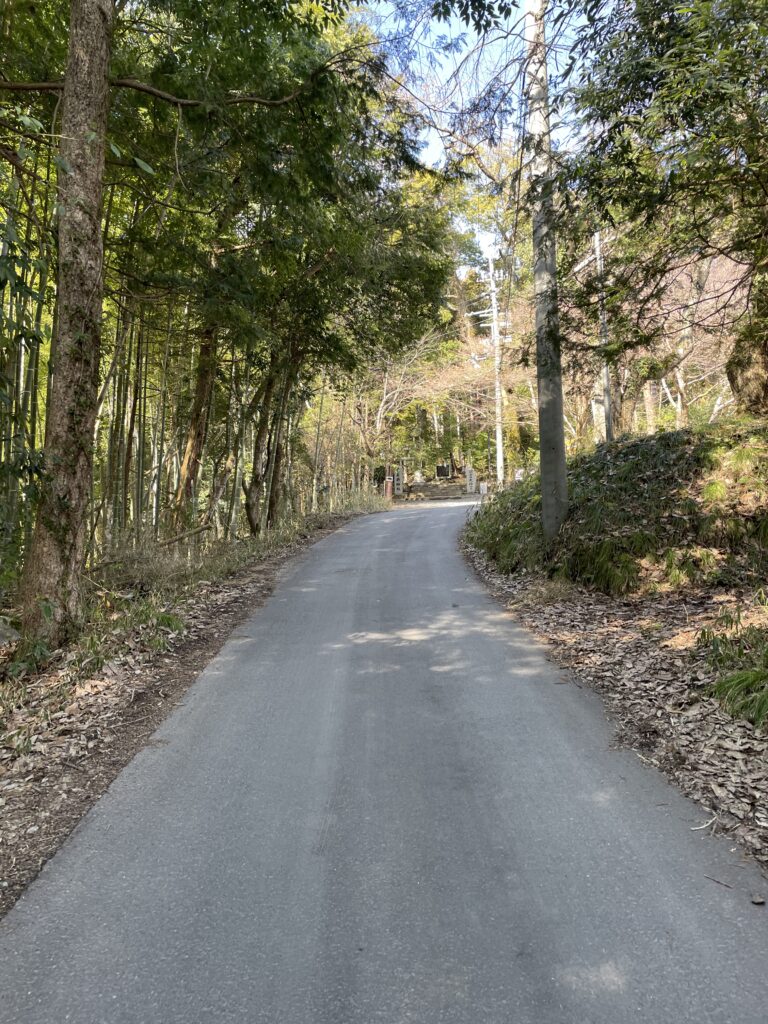
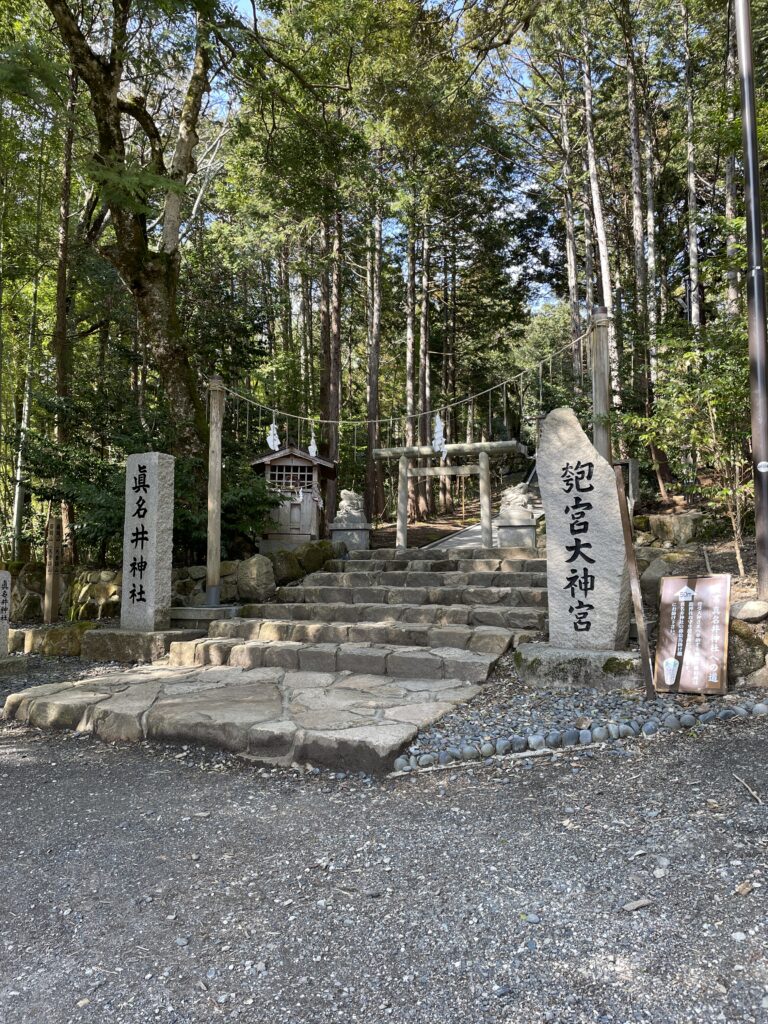
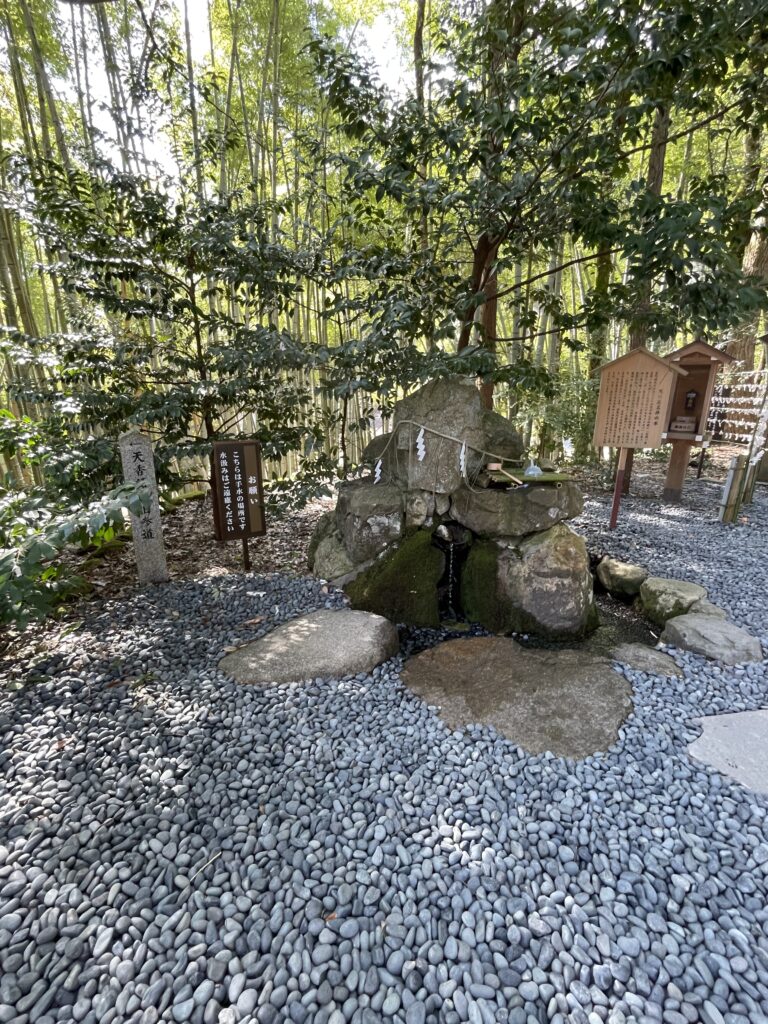
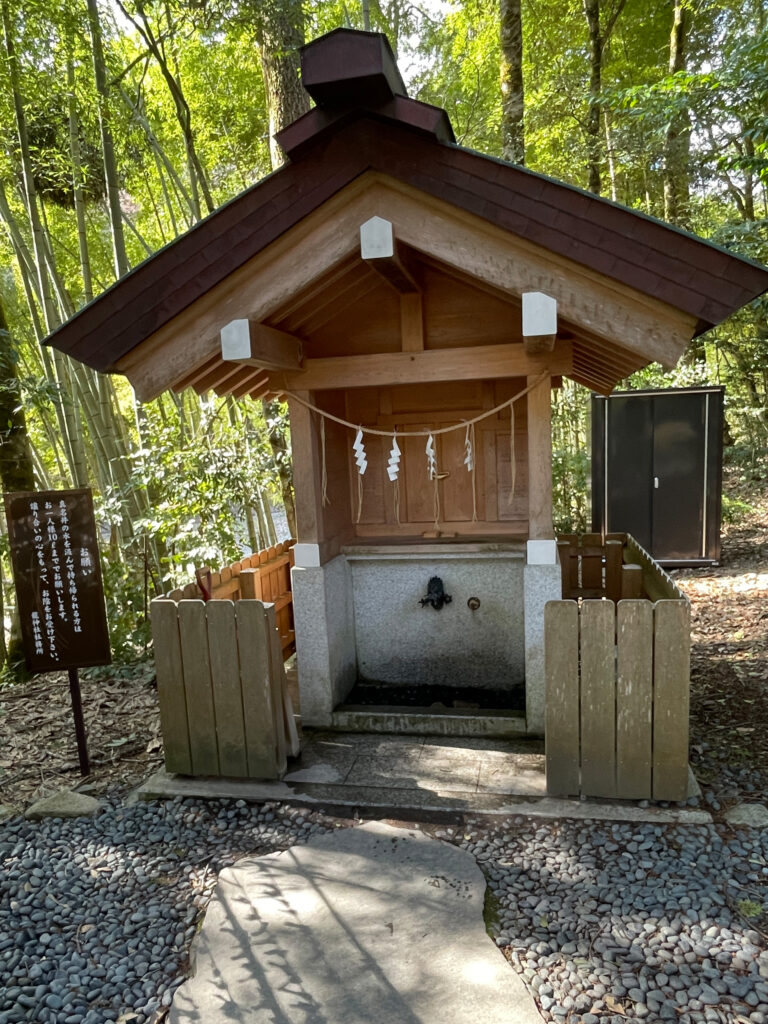
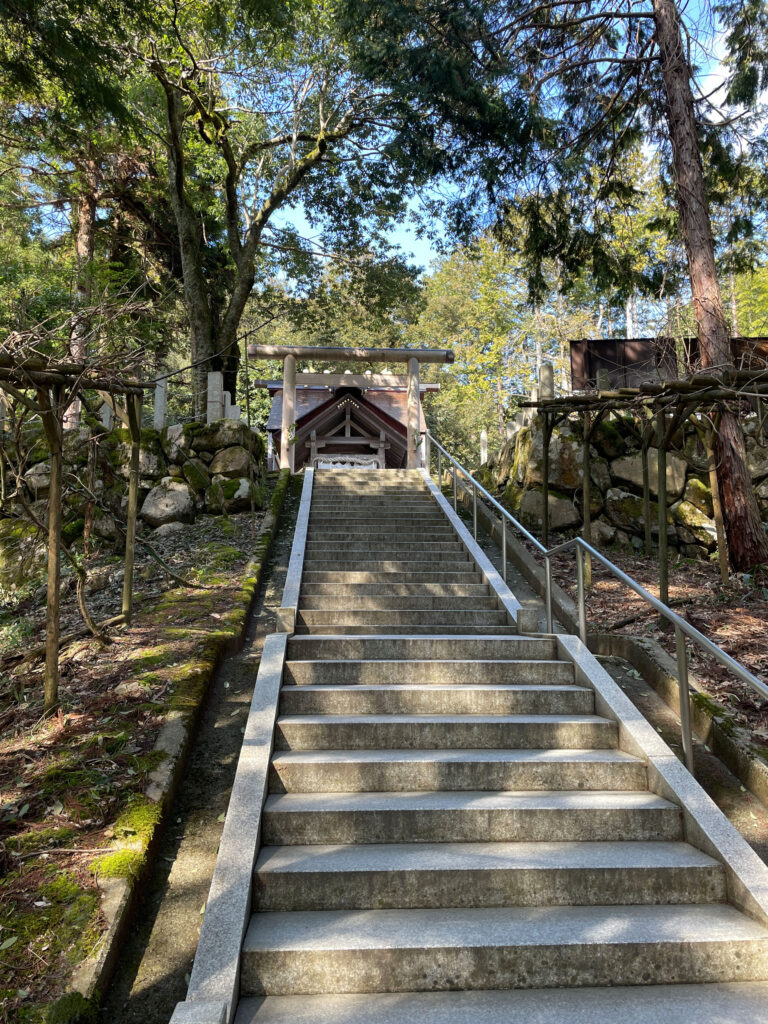
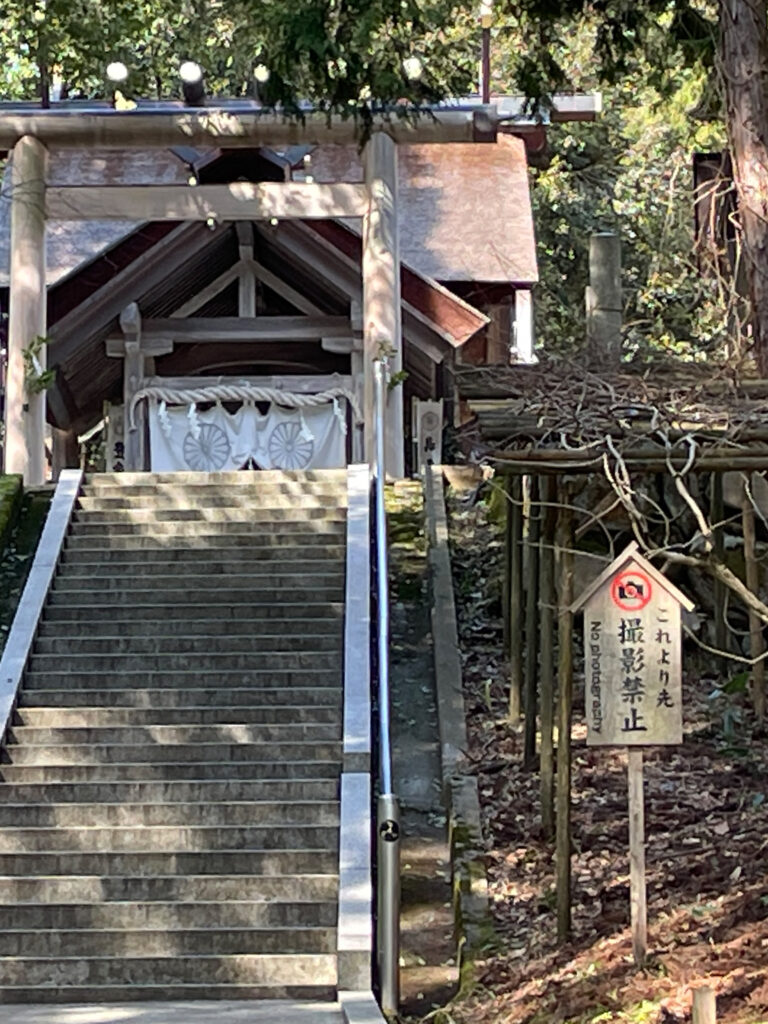
The Inner Shrine of Kono-jinja
To understand Manai-jinja, it helps to first know its relationship with Kono-jinja.
Kono-jinja is known as Moto-Ise because it is connected with both Amaterasu-Ōmikami and Toyouke-no-Ōkami before their connection with Ise Jingū became complete.
But the older place behind that story is Manaihara, where Manai-jinja stands today.
According to the shrine tradition, Toyouke-no-Ōkami had long been worshipped at Manaihara.
Later, Amaterasu-Ōmikami was moved from Yamato Kasanui-no-Mura in present-day Nara Prefecture and was worshipped here together with Toyouke-no-Ōkami.
At that time, the place was called Yosa-no-Miya.
After both kami were later moved to Ise, the main shrine was eventually moved from Manaihara to the present site of Kono-jinja.
Because of this, Manai-jinja is not only an inner shrine behind Kono-jinja.
It is the older root of the shrine’s Moto-Ise tradition.
The Iwakura of Manai-jinja
One of the most important features of Manai-jinja is its iwakura.
Iwakura are rocks or stone formations where kami are believed to dwell.
Before permanent shrine buildings became common, people worshipped kami through natural forms such as rocks, trees, mountains, islands, and rivers.
At Manai-jinja, the iwakura behind the shrine preserve this older style of kami worship.
The main iwakura is connected with Toyouke-no-Ōkami.
Another iwakura is connected with Amaterasu-Ōmikami, Izanagi-no-Ōkami, and Izanami-no-Ōkami.
This makes Manai-jinja especially important for anyone interested in the roots of shrine worship in Japan.
The Kami of Manai-jinja
The central kami of Manai-jinja is Toyouke-no-Ōkami.
Toyouke-no-Ōkami is widely known as the kami of food, clothing, shelter, industry, and daily life.
At Ise Jingū, Toyouke-no-Ōkami is enshrined at Gekū, the Outer Shrine, where offerings are prepared for Amaterasu-Ōmikami.
This connection is one reason Manai-jinja is so important in the Moto-Ise tradition.
Manai-jinja is also connected with Amaterasu-Ōmikami through the tradition that she was once enshrined here together with Toyouke-no-Ōkami.
In the west iwakura, Amaterasu-Ōmikami, Izanagi-no-Ōkami, and Izanami-no-Ōkami are remembered together.
Because of this, Manai-jinja feels closely connected with both the beginning of Japanese mythology and the later story of Ise Jingū.
The Water of Ame-no-Manai
Manai-jinja is also known for the water called Ame-no-Manai.
According to the shrine tradition, this water was brought down from the heavenly realm by Ame-no-Murakumo-no-Mikoto, an ancestor connected with the Amabe family of Kono-jinja.
The water was first moved to Takachiho, then to Manaihara, and later to the well of Kami-no-Mii-no-Jinja at the Outer Shrine of Ise Jingū.
This story connects Manai-jinja not only with kami worship, but also with water.
In Shinto, water is deeply connected with purification and renewal.
At Manai-jinja, the name, the spring, and the old traditions all point toward that meaning.
Visiting Manai-jinja with Kono-jinja
Manai-jinja is usually visited together with Kono-jinja.
This is the most natural way to understand the two shrines.
Kono-jinja shows the present form of the shrine.
Manai-jinja shows the older place behind it.
If you visit both, the story becomes much clearer.
You can see how the tradition moved from Manaihara to the present Kono-jinja, and how the memory of Amaterasu-Ōmikami and Toyouke-no-Ōkami remained in both places.
The walk between the two shrines also gives the visit a different feeling.
Kono-jinja is closer to the open landscape of Amanohashidate.
Manai-jinja feels more tucked away.
That contrast is part of the experience.
Read the Kono-jinja Article Here
What to Notice When You Visit
Manai-jinja is a place to visit calmly.
The important things here are not only buildings, but also the iwakura, the water, the trees, and the quiet atmosphere of the old site.
Because this is an inner shrine with ancient forms of worship, it is best to be especially careful about where you walk and where you take photos.
One practical note: photography is not allowed from partway up the long stone staircase.
If signs are posted, follow them.
If an area is marked off, stay outside the boundary.
This is not about making the visit difficult.
It is simply a way to respect a place that has been protected for a long time.
Final Thoughts
Manai-jinja is small compared with many famous shrines, but its history is very deep.
It is the inner shrine of Kono-jinja and the older place connected with Manaihara.
It is remembered as a place where Toyouke-no-Ōkami was worshipped, and where Amaterasu-Ōmikami was once enshrined together with Toyouke-no-Ōkami before the later connection with Ise.
For anyone following the Moto-Ise tradition, Manai-jinja is not just an extra stop after Kono-jinja.
It is one of the places that helps the whole story make sense.
If Kono-jinja shows the shrine’s present form, Manai-jinja shows the older memory behind it.
Together, they make the visit to northern Kyoto feel much deeper.