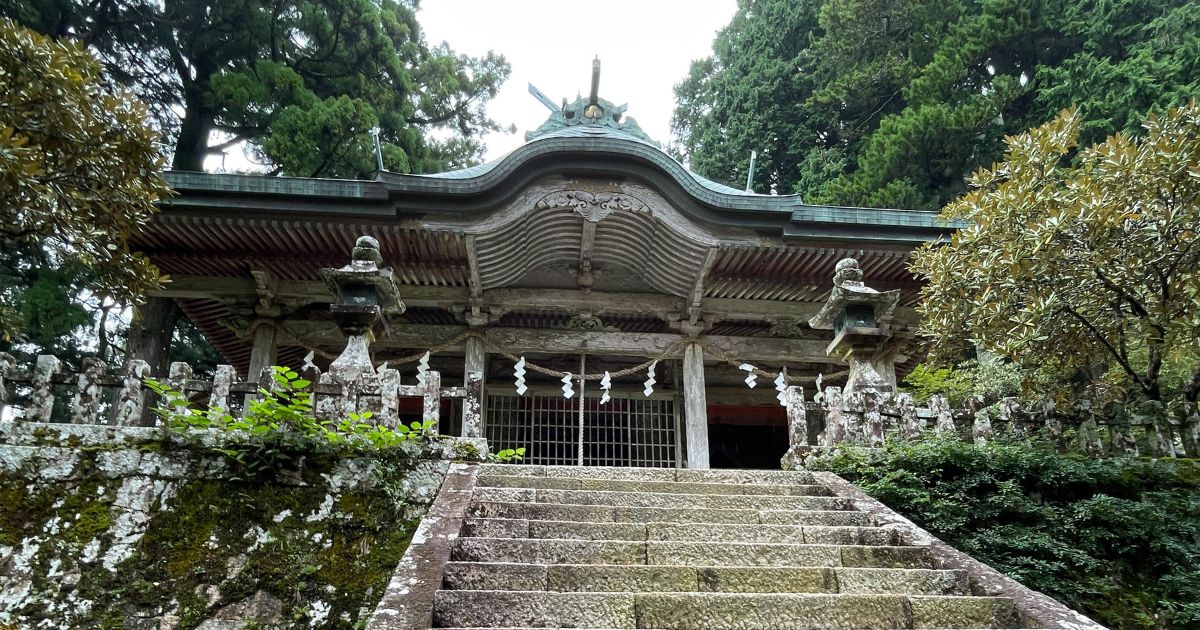
About This Shrine
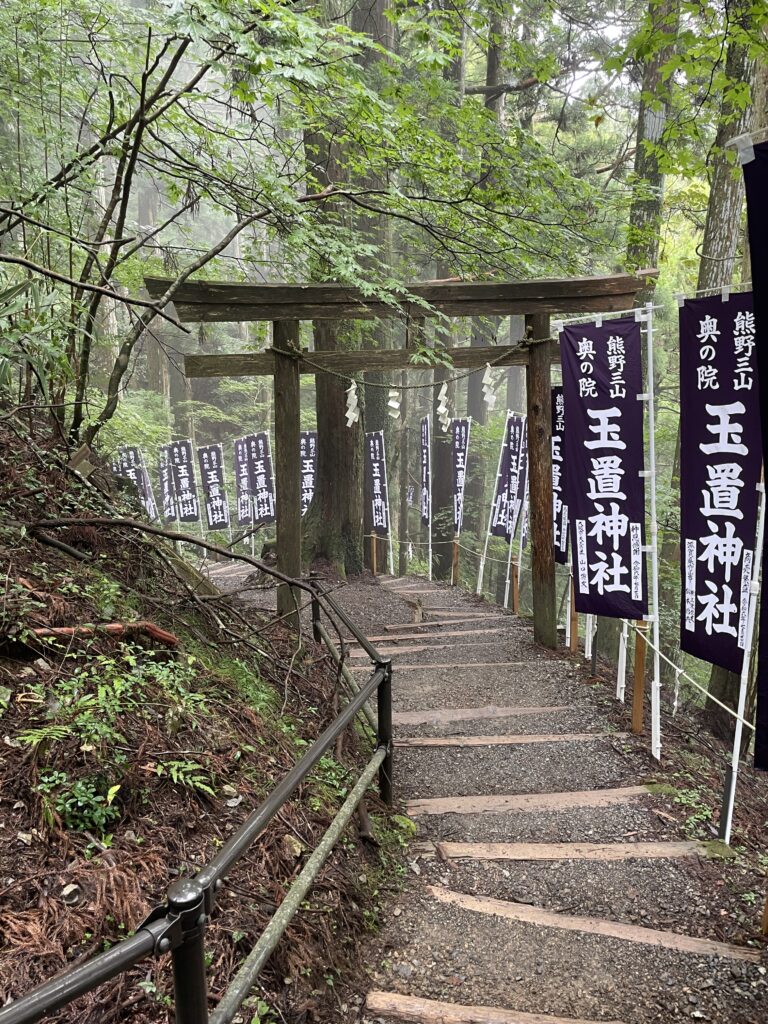
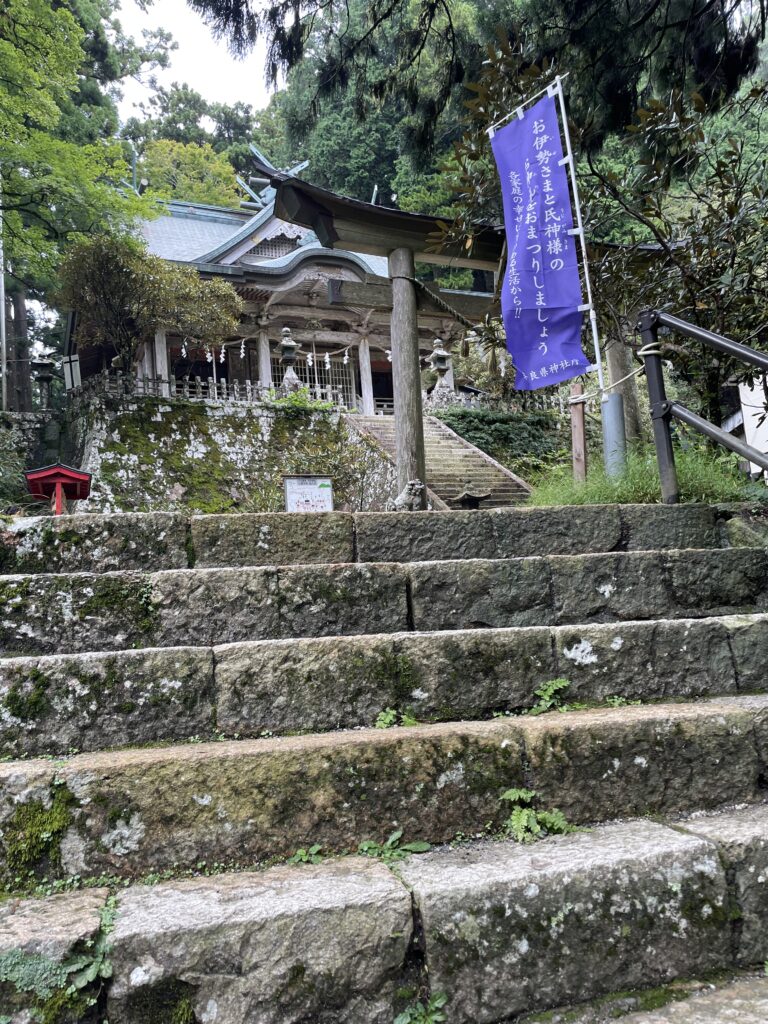
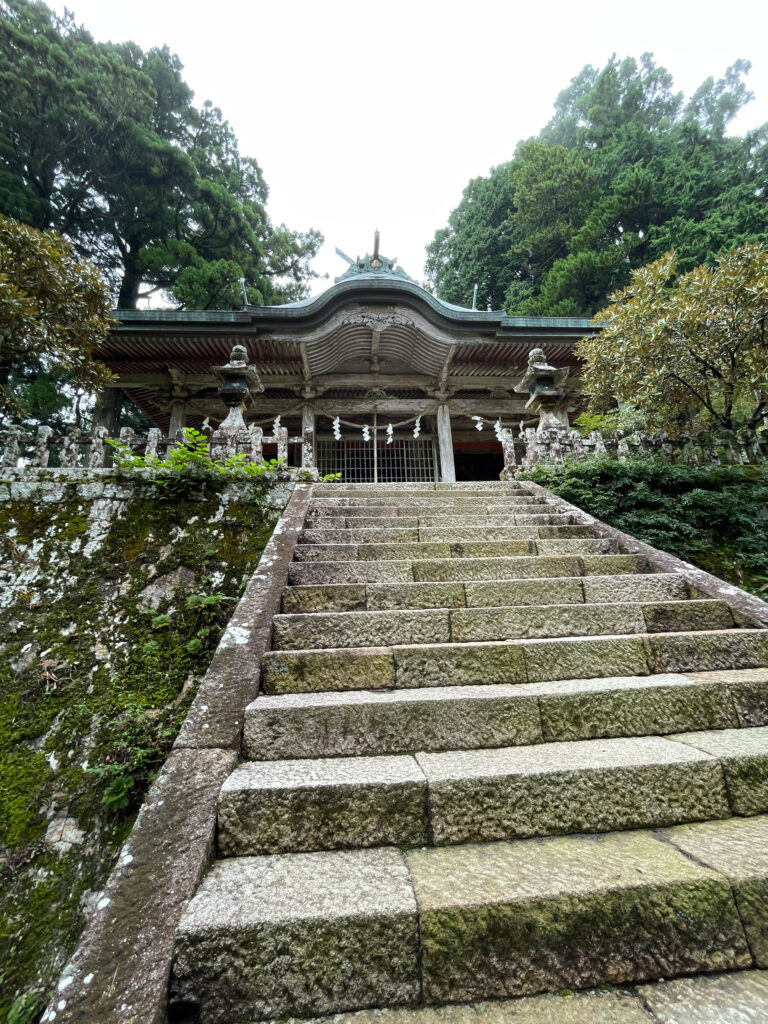
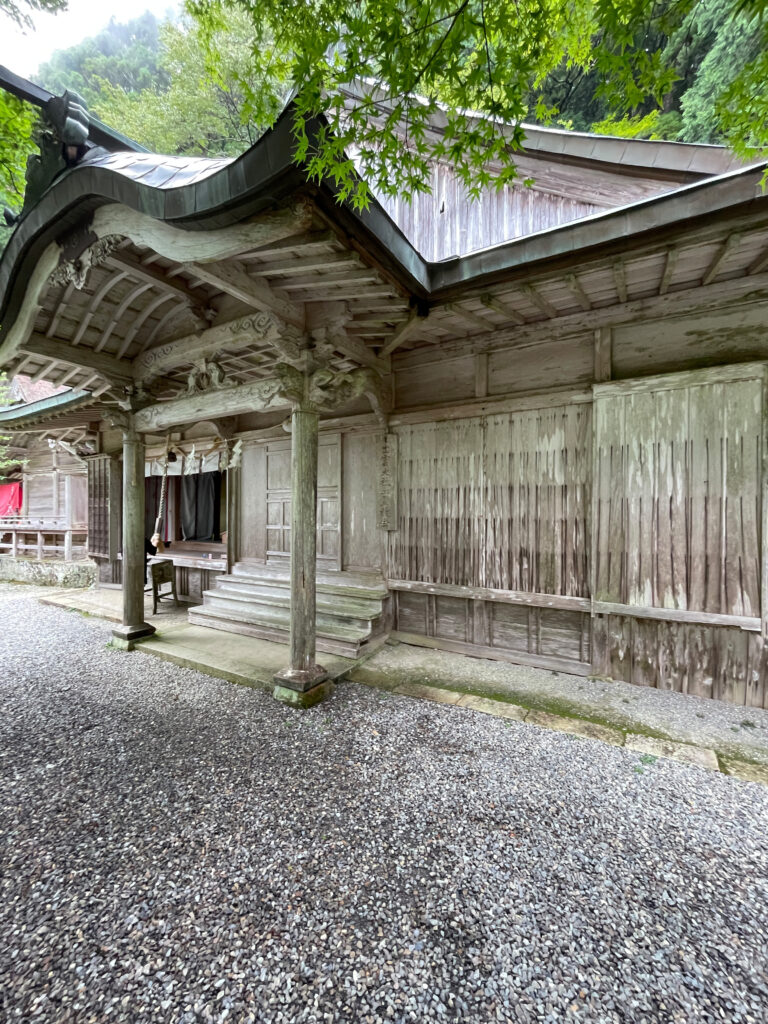
Tamaki-jinja is a Shinto shrine in Nara Prefecture, located deep in the mountains near the summit of Mount Tamaki.
The main kami enshrined here is Kuni-no-Tokotachi-no-Mikoto, one of the earliest kami in Japanese mythology. The main shrine also enshrines Izanagi-no-Mikoto, Izanami-no-Mikoto, Amaterasu-Ōmikami, and Kamu-yamato-iwarehiko-no-Mikoto, who is known as Emperor Jimmu.
According to shrine tradition, Tamaki-jinja was founded during the reign of Emperor Sujin for protection against fire and the removal of evil influences.
The shrine is associated with blessings such as protection, purification, warding off misfortune, fire protection, and finding the strength to face difficult turning points in life.
Tamaki-jinja is often described by visitors as a shrine you cannot reach unless you are “called.” When you learn how deep in the mountains the shrine is, it is easy to understand why such a story began.
Photo Gallery
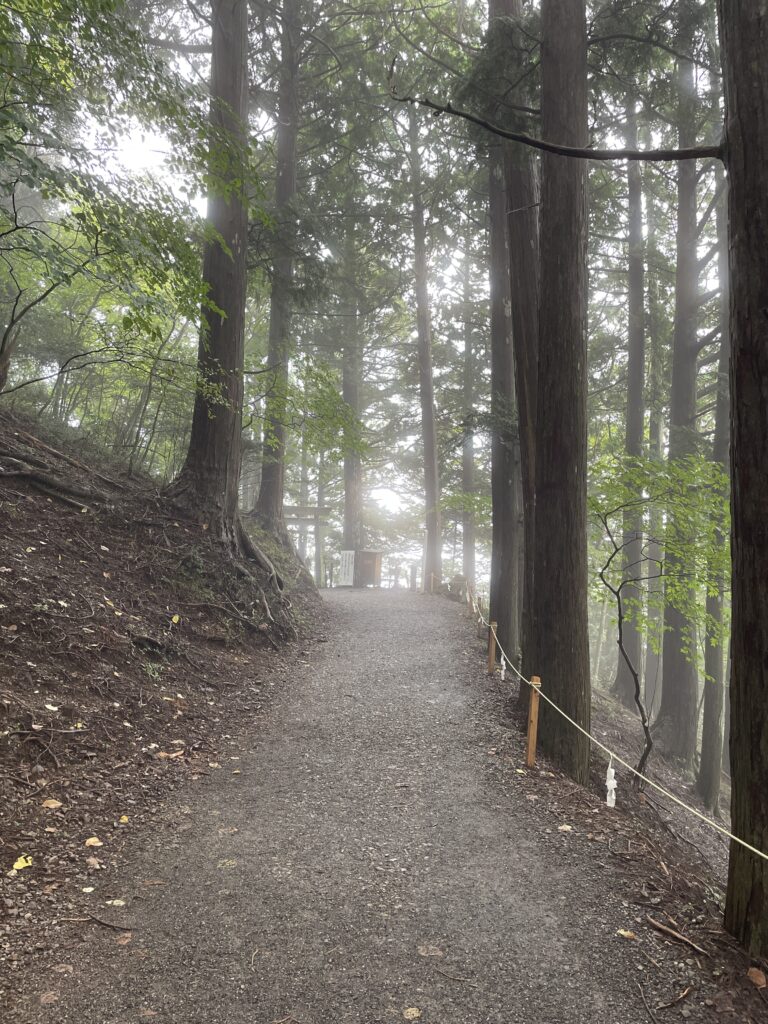
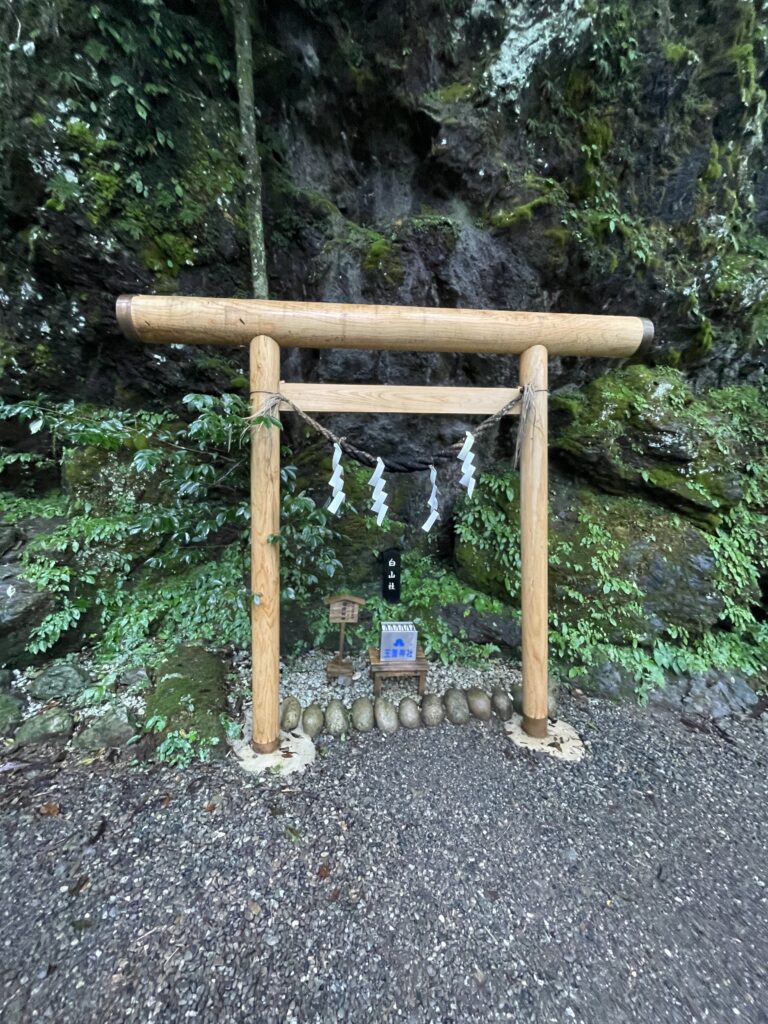
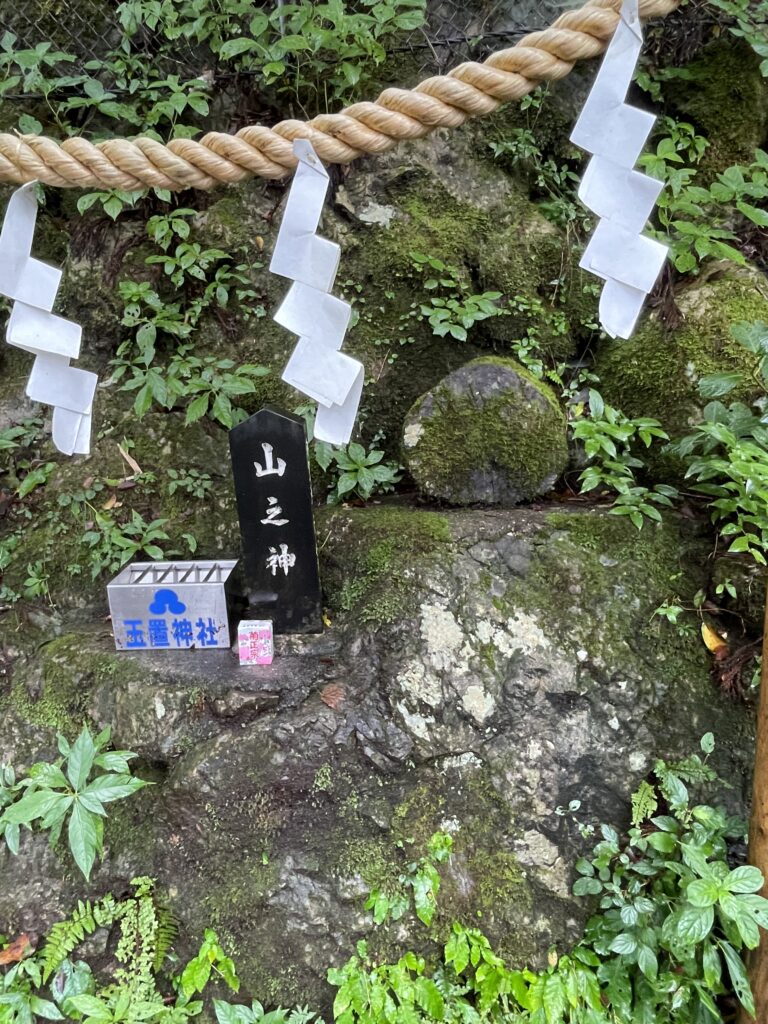
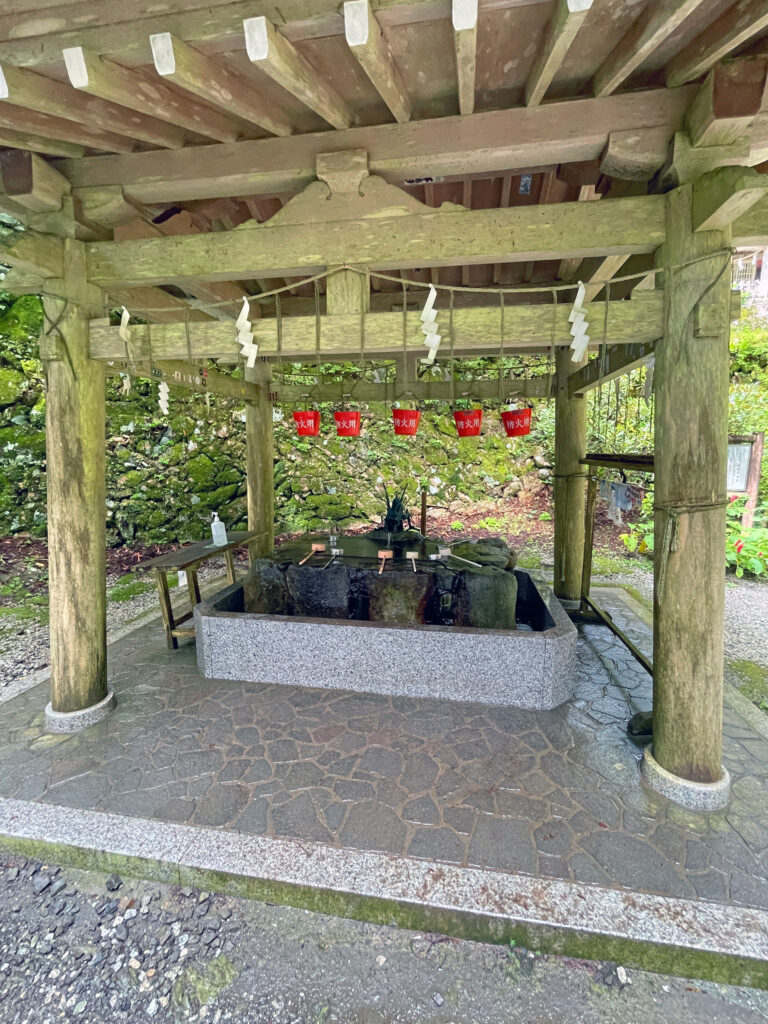
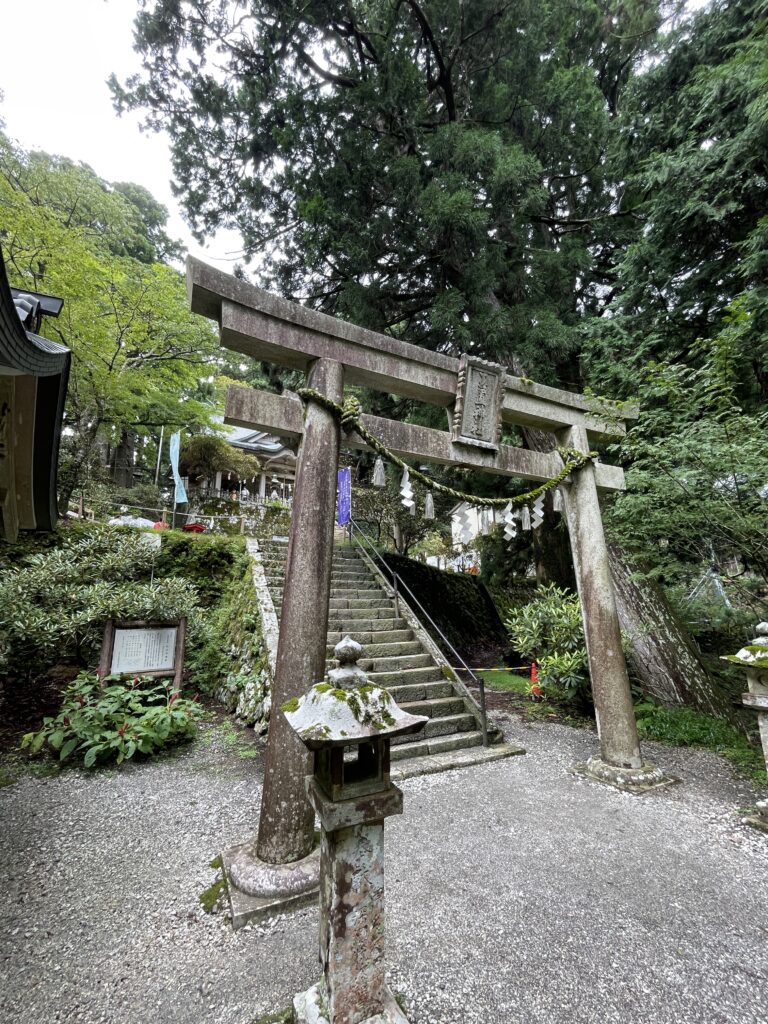
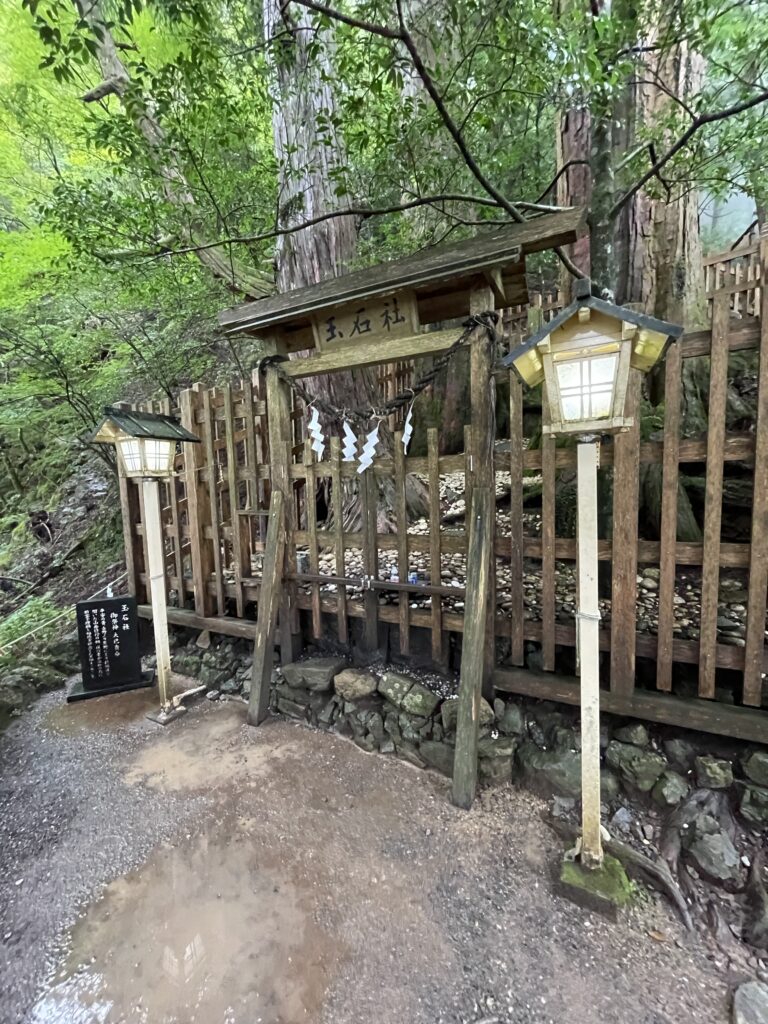
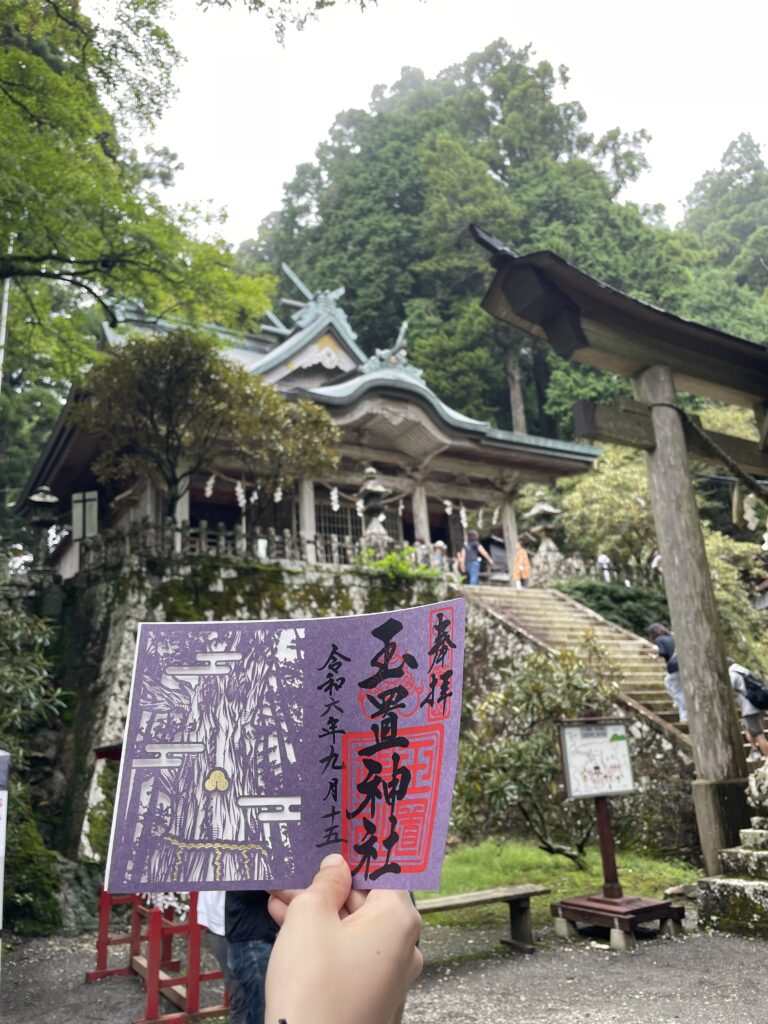
A Shrine Deep in the Mountains
Tamaki-jinja stands near the top of Mount Tamaki, at an elevation of 1,076 meters.
Today, visitors can reach the area by road, but the shrine still feels far from ordinary daily life.
Before roads were well maintained, reaching this place would not have been easy. The mountain paths, weather, distance, and physical effort would have made the visit feel like more than simple travel.
That background helps explain why Tamaki-jinja has such a strong reputation.
It is not a shrine you casually pass by.
Even now, the journey itself can feel like part of the visit.
The road, the forest, the mountain air, and the feeling of gradually leaving the everyday world behind all prepare the visitor before arriving at the shrine.
“A Shrine You Cannot Reach Unless You Are Called”
Among many visitors, Tamaki-jinja is known as a shrine you cannot reach unless you are called by the kami.
Some people say that when someone is not meant to visit, bad weather suddenly appears, a car breaks down, plans fall apart, or the person becomes unwell.
This is not something that can be proven.
It is better to understand it as a story that has grown around the shrine, shaped by the difficulty of the journey and the powerful impression of the place.
Still, stories like this are not meaningless.
They show how strongly people feel that Tamaki-jinja is not an ordinary destination.
The shrine asks visitors to come with care.
You need time, preparation, respect, and sometimes a little courage.
In that sense, the idea of being “called” may not only mean something mysterious.
It may also mean that you arrive when your body, mind, timing, and circumstances finally come together.
Kuni-no-Tokotachi-no-Mikoto and the Feeling of Trial
The main kami of Tamaki-jinja, Kuni-no-Tokotachi-no-Mikoto, is often spoken of as a strict kami.
This does not mean cruel or frightening.
Rather, the feeling is closer to a kami who does not allow people to approach carelessly.
Kuni-no-Tokotachi-no-Mikoto is connected with the very beginning of the world in Japanese mythology.
Because of that, the kami carries an image of origin, foundation, order, and deep spiritual seriousness.
Visitors sometimes say that this kami gives trials.
This may sound severe, but it can also be understood in a quieter way.
A trial is not always punishment.
Sometimes it is a moment that makes you face your own condition honestly.
Tamaki-jinja seems to have that kind of atmosphere.
It does not simply comfort the visitor.
It makes you stand still, breathe, and notice what you are carrying.
The Sacred Trees and the Mountain Atmosphere
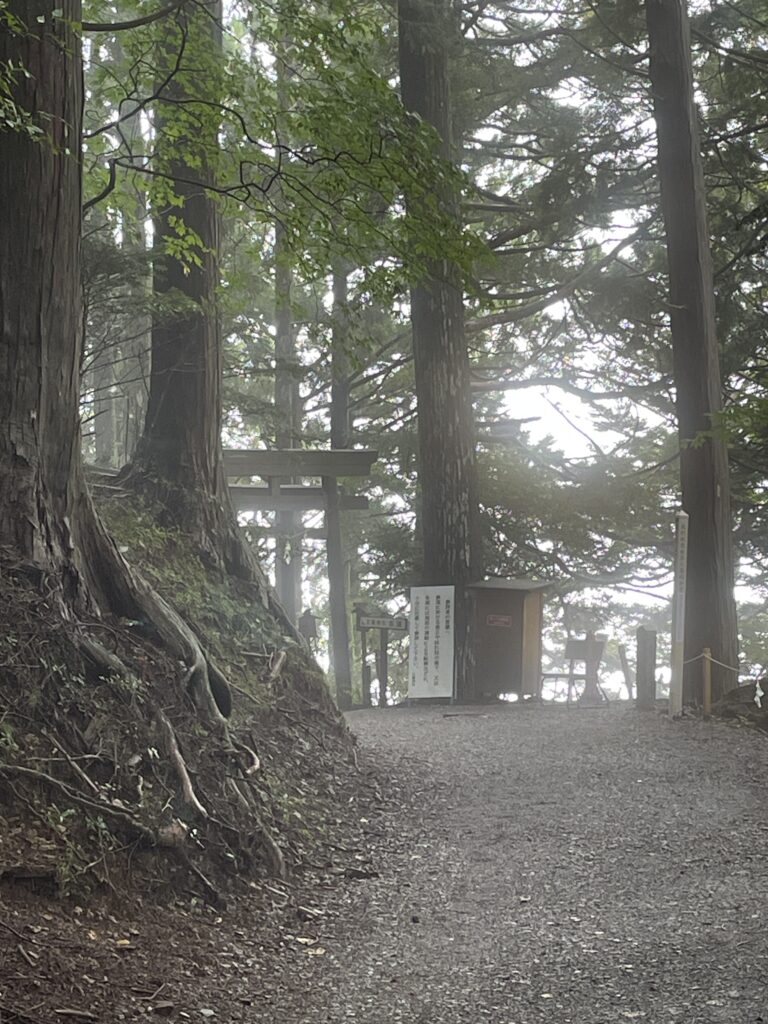
One of the strongest impressions of Tamaki-jinja is the forest.
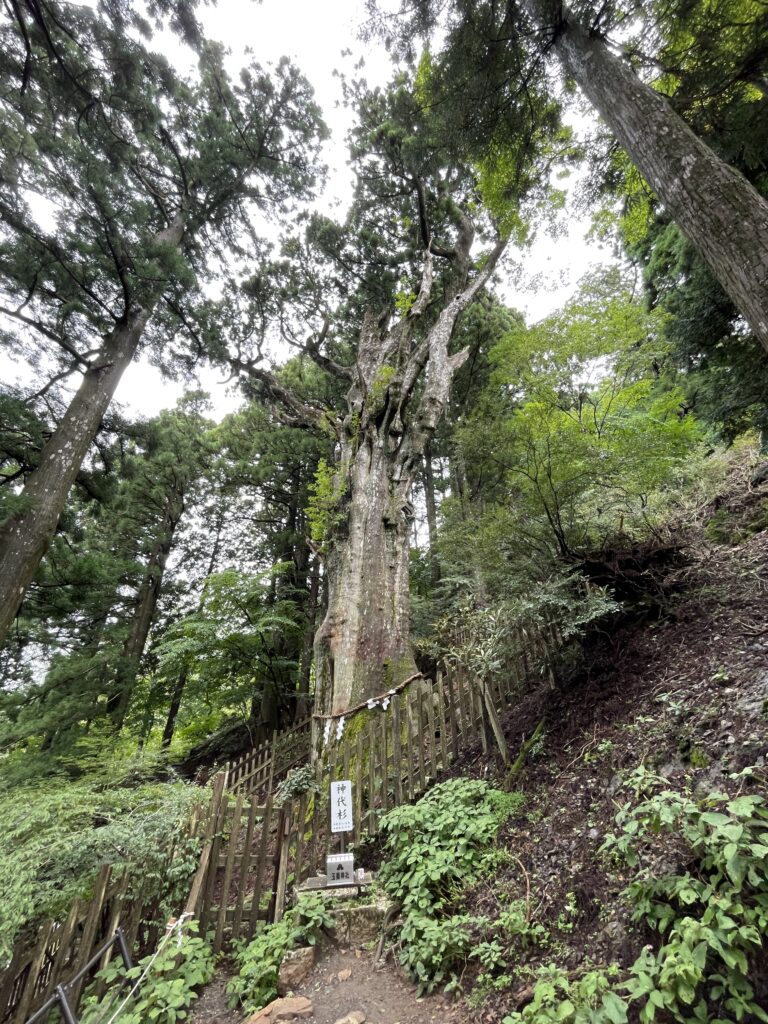
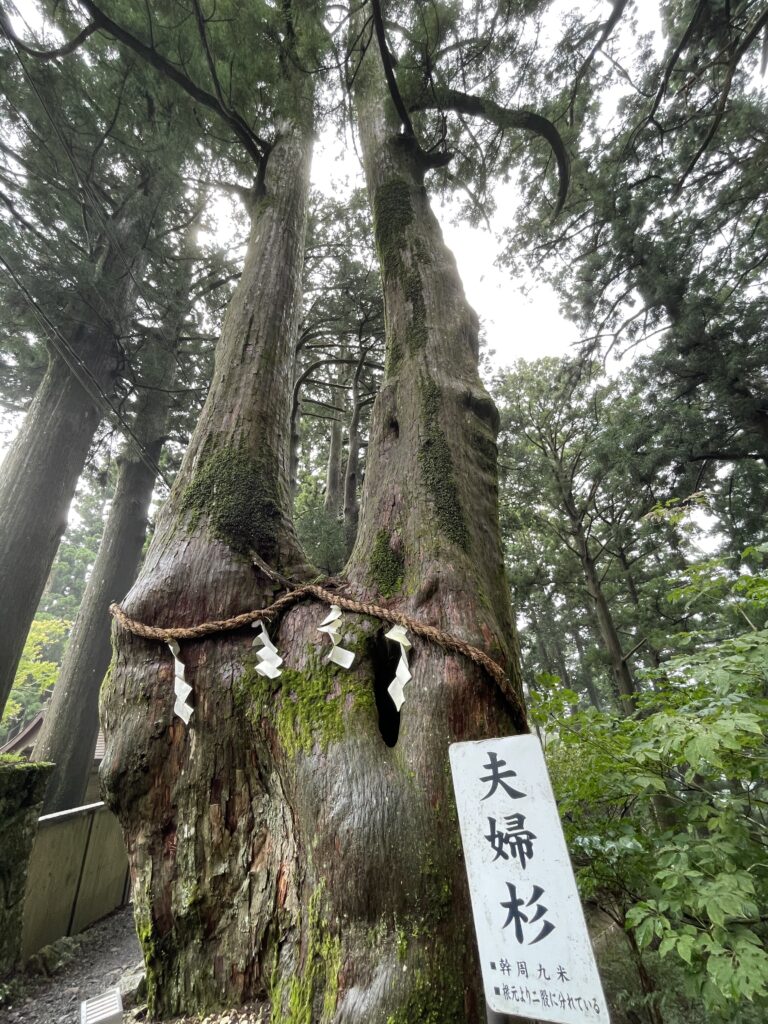
The shrine grounds are known for huge cedar trees, including trees said to be thousands of years old.
These trees are not just scenery.
They help create the feeling that the shrine belongs to the mountain itself.
When you walk through the grounds, the size of the trees makes human concerns feel smaller.
The air feels older.
The path feels quieter.
This is not a place that needs dramatic decoration.
The mountain, the trees, and the shrine buildings already carry enough presence.
For visitors who are used to open city shrines, Tamaki-jinja can feel completely different.
It is less like entering a shrine in a town and more like stepping into a mountain that has long been treated as a place of worship.
A Personal Note from My Visit
I was able to reach Tamaki-jinja.
That alone made the visit feel special, especially because the shrine is so often described as a place you cannot reach unless you are called.
But after I returned home, I came down with COVID.
I do not want to say that this was caused by the shrine.
It may simply have been timing.
Still, because Tamaki-jinja is surrounded by stories of sudden obstacles, illness, and unexpected trials, the experience stayed in my mind.
It made the visit feel less like a simple trip and more like something I had to think about afterward.
Perhaps that is part of Tamaki-jinja’s impression.
Even after leaving the mountain, the shrine does not immediately feel finished.
It leaves behind a question.
Why was I able to go?
What did I bring back with me?
And what did the visit ask me to face?
What to Notice When You Visit
When visiting Tamaki-jinja, first notice the journey.
The shrine begins before you reach the main grounds.
The mountain road, the weather, the forest, and your own physical condition are all part of the experience.
Next, notice the trees.
The huge cedars give the shrine a sense of age and depth that cannot be created artificially.
Also pay attention to the atmosphere around the main shrine.
This is not a bright and casual shrine space.
It feels quiet, serious, and deeply connected with the mountain.
If the weather is bad, the road feels unsafe, or your body does not feel well, it is better not to force the visit.
At a shrine like Tamaki-jinja, turning back can also be a respectful choice.
The important thing is not to prove that you were “called.”
It is to visit with care, humility, and awareness.
Final Thoughts
Tamaki-jinja is one of those shrines where the journey and the worship cannot be separated.
Its mountain location, old trees, and the presence of Kuni-no-Tokotachi-no-Mikoto all give the shrine a serious and powerful atmosphere.
The saying that you cannot reach it unless you are called should not be taken as a strict rule.
But it does express something real about the feeling of the place.
Tamaki-jinja is not easy to approach casually.
It asks visitors to pay attention to timing, condition, weather, and their own state of mind.
For some people, the visit may feel comforting.
For others, it may feel like a test.
Either way, Tamaki-jinja is a shrine that stays with you after you leave.
It is not only a place you reach.
It is a place that makes you wonder why you were able to reach it.