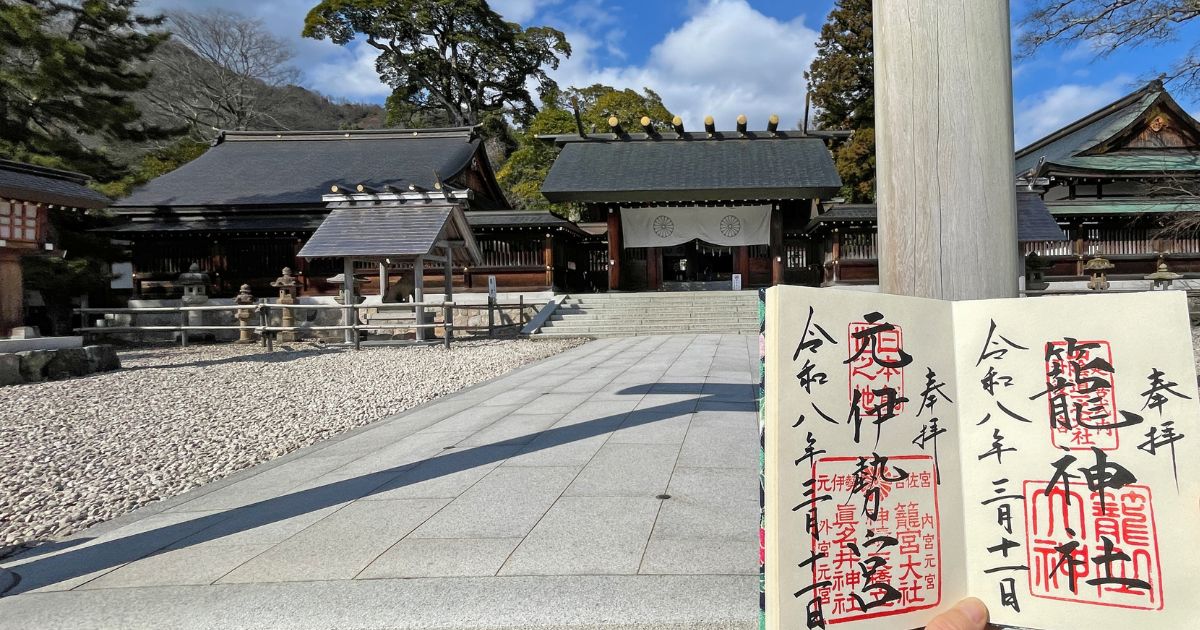
About This Shrine
Moto-Ise Kono-jinja is a Shinto shrine in Miyazu, Kyoto Prefecture, near the northern side of Amanohashidate.
It is one of the most important shrines connected with the Moto-Ise tradition.
Before Amaterasu-Ōmikami and Toyouke-no-Ōkami came to be enshrined at Ise Jingū, tradition says that both kami were once worshipped here together.
For that reason, Kono-jinja is remembered not only as a local shrine of the Tango region, but also as a place deeply connected with the origin story of Ise Jingū.
If you visit Amanohashidate, this shrine is one of the best places to feel how local history, myth, and Ise tradition overlap.
Photo Gallery
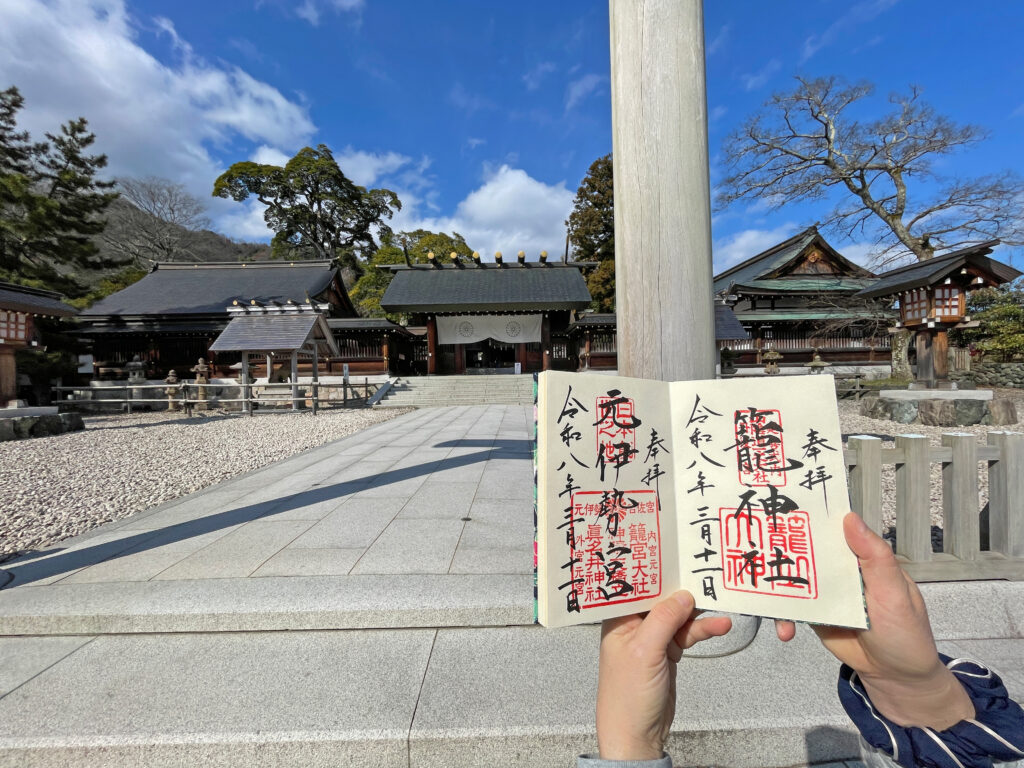
Why Kono-jinja Is Called Moto-Ise
The name Moto-Ise can be understood as “former Ise Jingū.”
Kono-jinja is called Moto-Ise because of its connection with both Amaterasu-Ōmikami and Toyouke-no-Ōkami.
According to the shrine’s tradition, Toyouke-no-Ōkami had long been worshipped at Manaihara, the site of today’s inner shrine, Manai-jinja.
Later, during the reign of Emperor Sujin, Amaterasu-Ōmikami was moved from Yamato Kasanui-no-Mura in present-day Nara Prefecture and enshrined here together with Toyouke-no-Ōkami.
At that time, the place was called Yosa-no-Miya.
The two kami were worshipped together here for four years.
Afterward, Amaterasu-Ōmikami was moved to Ise during the reign of Emperor Suinin.
Toyouke-no-Ōkami was later moved to Ise during the reign of Emperor Yūryaku.
This is why Kono-jinja is remembered as a former shrine connected with both Naikū, the Inner Shrine of Ise Jingū, and Gekū, the Outer Shrine.
That double connection is what makes Kono-jinja especially important among Moto-Ise sites.
From Manaihara to the Present Shrine
Kono-jinja’s older place of worship was at Manaihara, where Manai-jinja stands today.
After Amaterasu-Ōmikami and Toyouke-no-Ōkami were moved to Ise, the main shrine was later moved from Manaihara to the present site of Kono-jinja.
This took place in 719.
At that time, the shrine name changed from Yosa-no-Miya to Kono-miya.
The main kami also became Hiko-hoakari-no-Mikoto, a kami connected with the ancestral line of the shrine.
Hiko-hoakari-no-Mikoto is a grandson of Amaterasu-Ōmikami.
Remarkably, the chief priests of Kono-jinja are still from the Amabe family, who trace their ancestry to Hiko-hoakari-no-Mikoto.
Because of this, Kono-jinja has several layers of meaning.
It is a Moto-Ise shrine connected with Amaterasu-Ōmikami and Toyouke-no-Ōkami.
It is also the main shrine of Hiko-hoakari-no-Mikoto.
And it is the old ichinomiya, or highest-ranking shrine, of Tango Province.
The Kami of Kono-jinja
The main kami of Kono-jinja is Hiko-hoakari-no-Mikoto.
He is also known as Amateru-Kuniteru-Hikohoakari-no-Mikoto and is connected with the development of the Tango and Tanba regions.
The shrine also has a strong connection with Toyouke-no-Ōkami and Amaterasu-Ōmikami through its Moto-Ise tradition.
This may feel a little complex at first.
But the basic idea is simple.
Kono-jinja is not only important because of one kami or one story.
It gathers several important lines of tradition: the Moto-Ise story, the worship of Toyouke-no-Ōkami, the journey of Amaterasu-Ōmikami, and the local history of Tango.
That is why the shrine feels larger than its physical size.
Manai-jinja, the Inner Shrine
Behind Kono-jinja is Manai-jinja, the inner shrine.
Manai-jinja is often visited together with Kono-jinja because it is connected with the older place of worship at Manaihara.
For readers following the Moto-Ise tradition, the relationship between Kono-jinja and Manai-jinja is important.
Kono-jinja is the present main shrine.
Manai-jinja preserves the memory of the older site behind it.
Visiting both gives a clearer sense of how the shrine’s history moved from the old place of worship to the present one.
Read the Manai-jinja Article Here
What to Notice in the Shrine Grounds
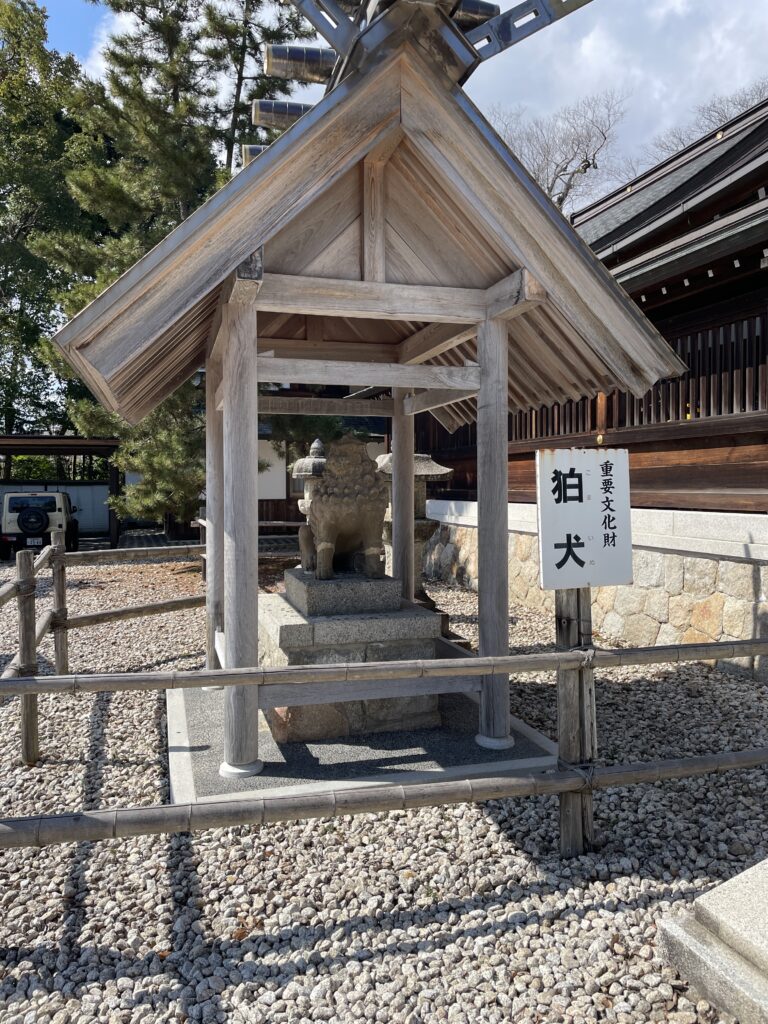
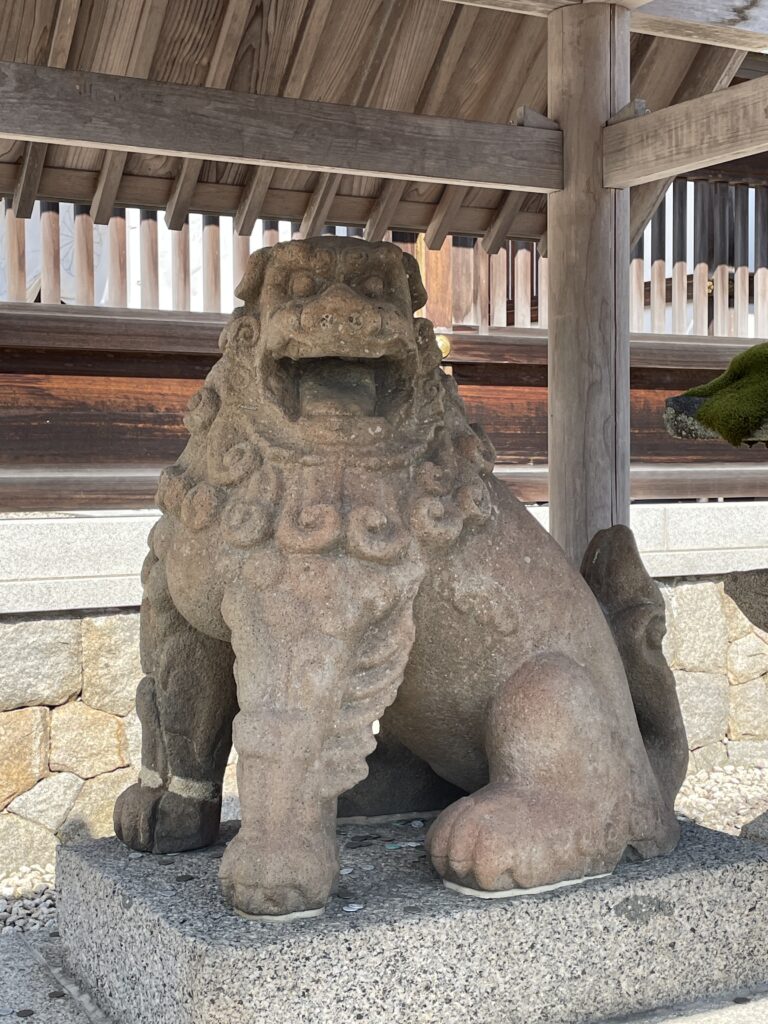
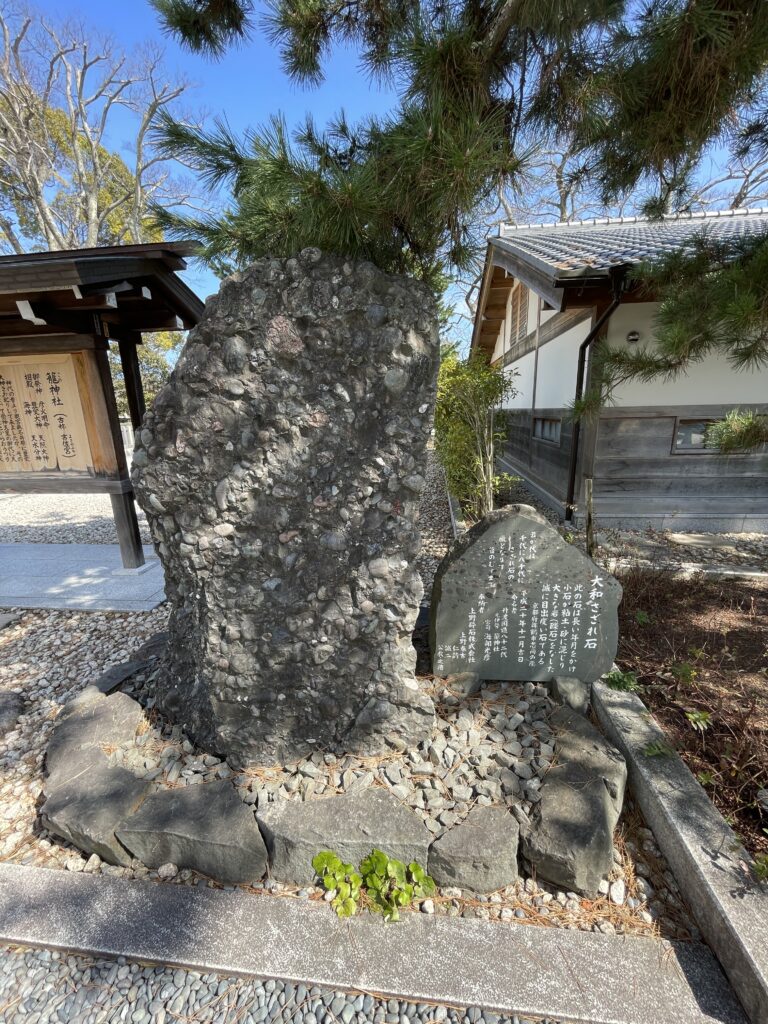
One of the most important things to notice at Kono-jinja is the shrine architecture.
The main shrine building is built in the shinmei-zukuri style, the same basic style associated with Ise Jingū.
Its form is simple, straight, and dignified.
Another special feature is the five-colored suedama on the railing of the main shrine.
These colored ornaments are closely connected with the shrine’s relationship to Ise Jingū.
They are small details, but they carry a strong sense of history.
Kono-jinja also has an atmosphere that is different from a shrine standing alone in the mountains.
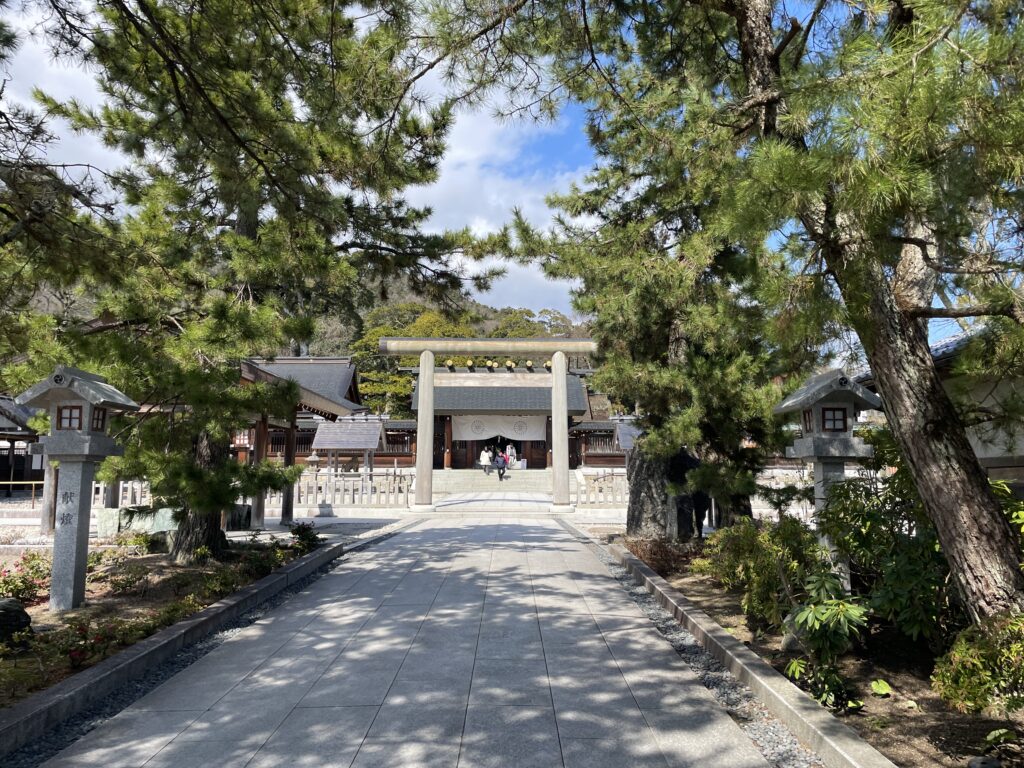
It stands near Amanohashidate, with the sea, pine trees, and old travel routes close by.
That setting makes the visit feel connected not only with myth, but also with movement, travel, and the landscape of northern Kyoto.
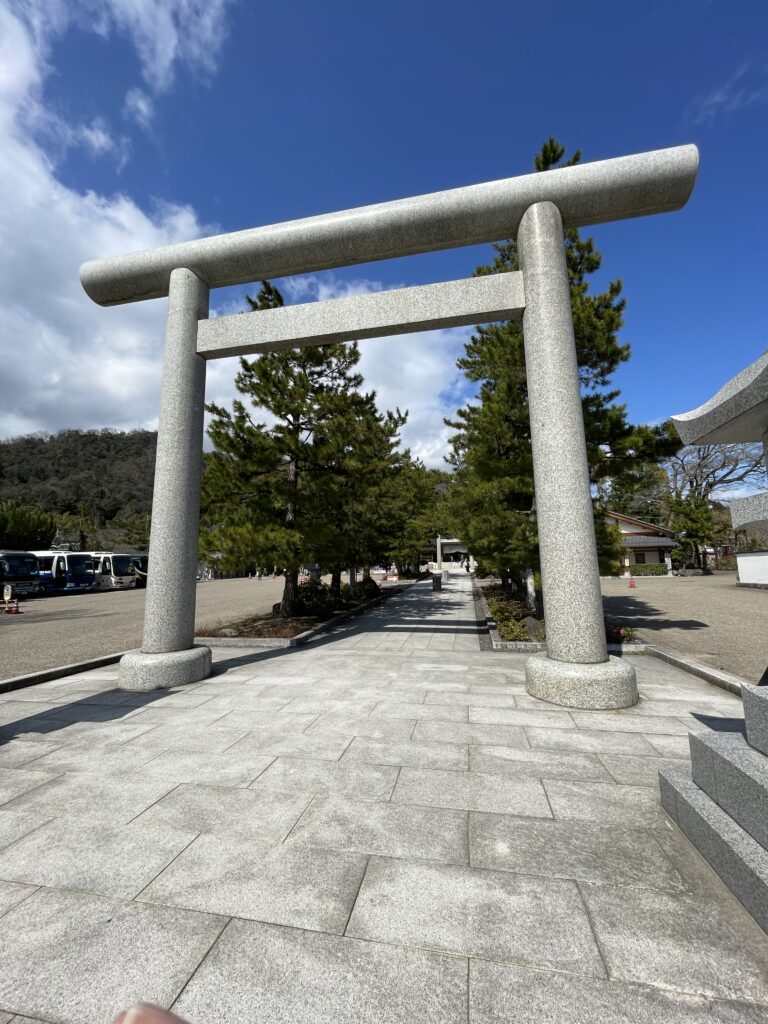
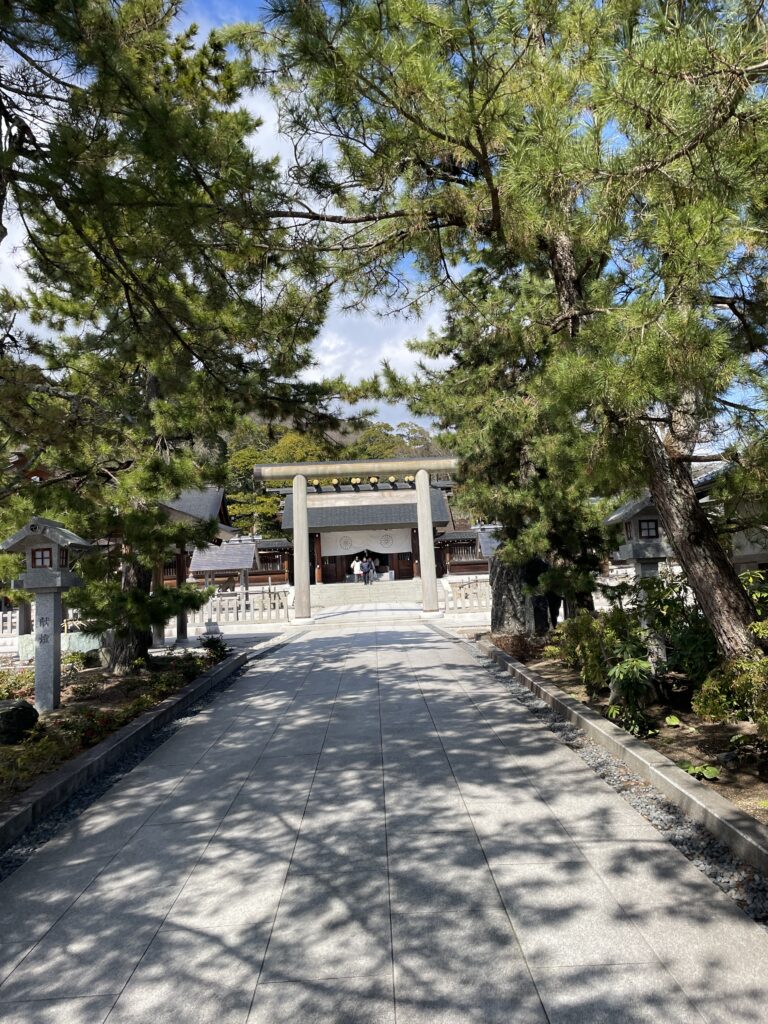
One practical note: after passing through the torii gate, photography is not allowed beyond the wooden gate.
It is best to enjoy photography only in the permitted areas and follow the signs at the shrine.
Visiting Kono-jinja with Amanohashidate
Kono-jinja is very close to Amanohashidate, one of Japan’s famous scenic views.
Because of this, many visitors combine the shrine with a walk through Amanohashidate, a visit to Kasamatsu Park, or a trip to Manai-jinja.
This is a good way to visit the area.
Amanohashidate gives you the landscape.
Kono-jinja gives you the history.
Manai-jinja gives you the older layer behind the main shrine.
Together, they create a visit that feels calm, spacious, and deeply connected to place.
You do not need to rush.
This is the kind of shrine that feels best when you take your time.
Final Thoughts
Moto-Ise Kono-jinja is one of the most meaningful shrines connected with the journey to Ise Jingū.
It is remembered as a place where Amaterasu-Ōmikami and Toyouke-no-Ōkami were once worshipped together before their connection with Ise became complete.
At the same time, it is not only a shrine of the past.
It is still a living shrine of the Tango region, with its own kami, architecture, festivals, and local history.
If you are interested in Ise Jingū, Moto-Ise, or the older layers of shrine tradition in Japan, Kono-jinja is a place worth knowing.
And if you visit Amanohashidate, it is a shrine that quietly deepens the whole journey.