About This Shrine
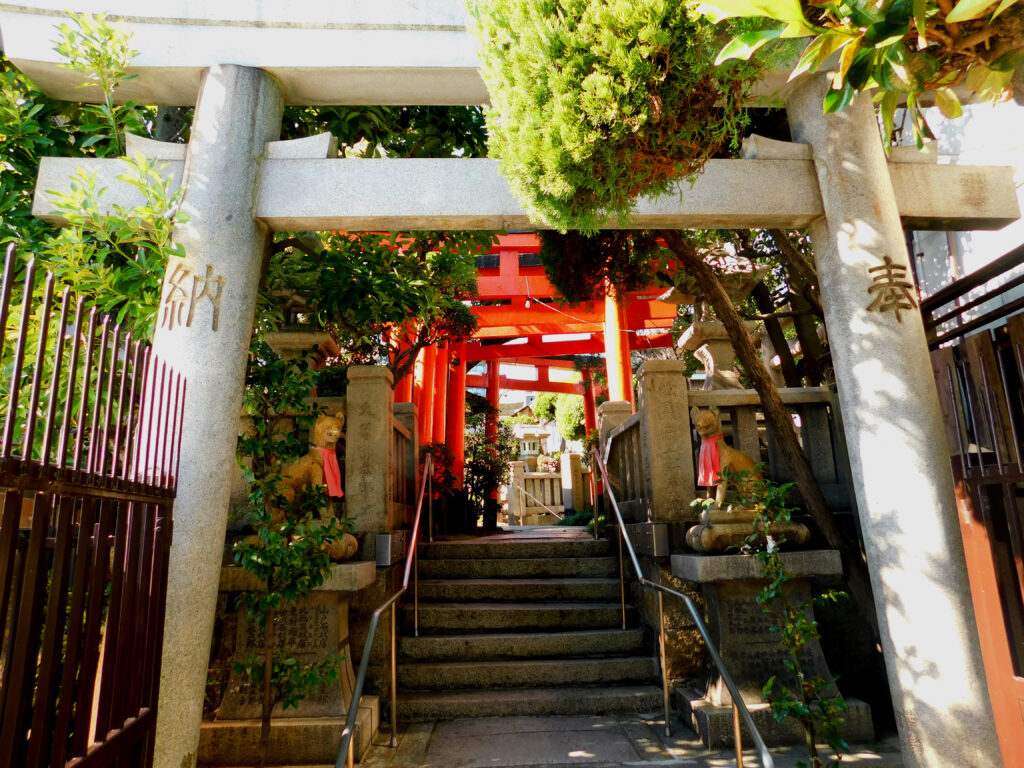
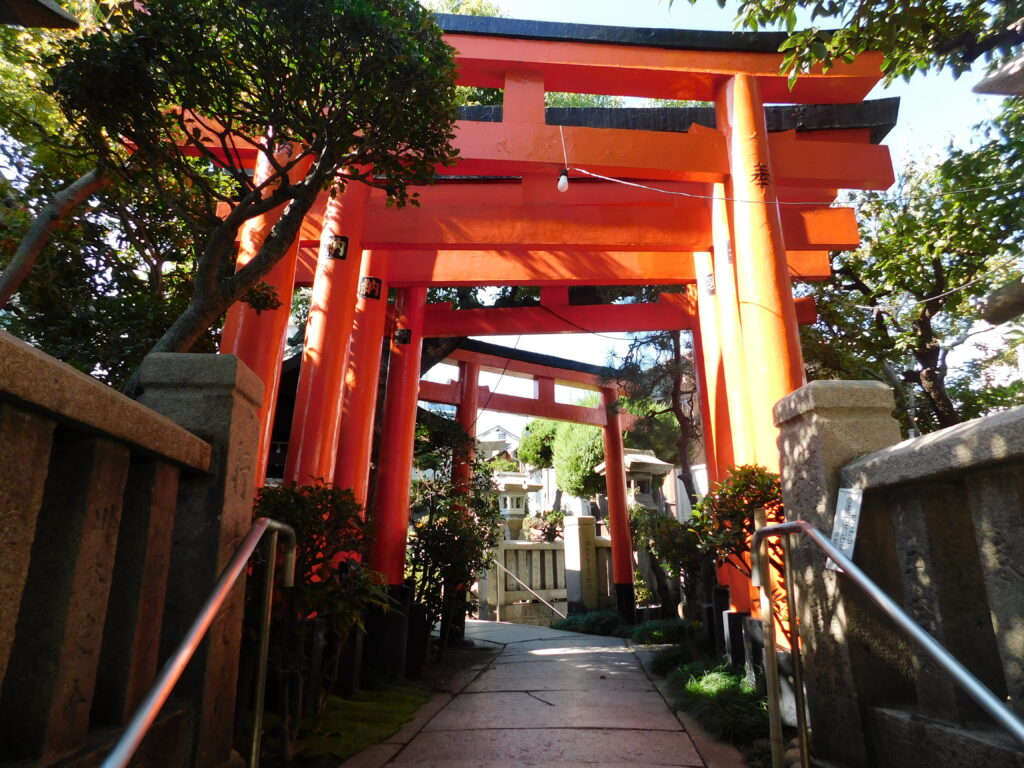
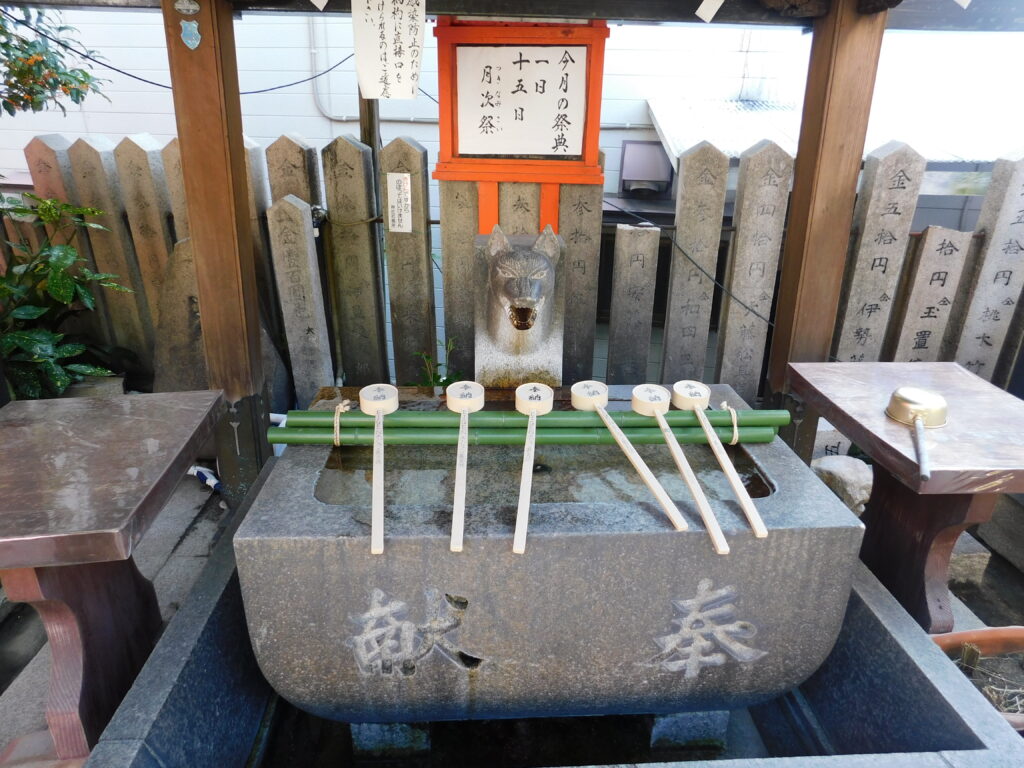
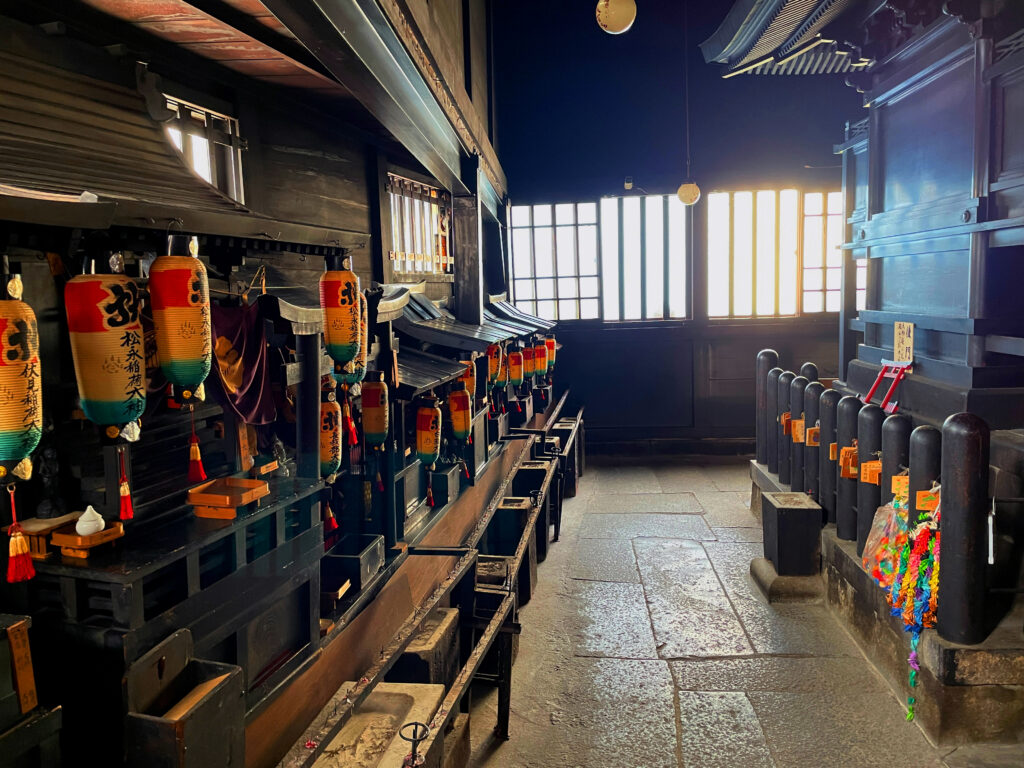
Matsuo Inari-jinja is a Shinto shrine in Kobe, located in the Hyōgo area.
The main shrine is dedicated to Inari Daimyōjin, including Uka-no-Mitama-no-Ōkami, Satahiko-no-Ōkami, and Ōmiyanome-no-Ōkami.
The shrine is associated with blessings such as business prosperity, household safety, safe travel, good relationships, and protection in daily life.
But what makes Matsuo Inari-jinja especially unusual is not only its Inari faith.
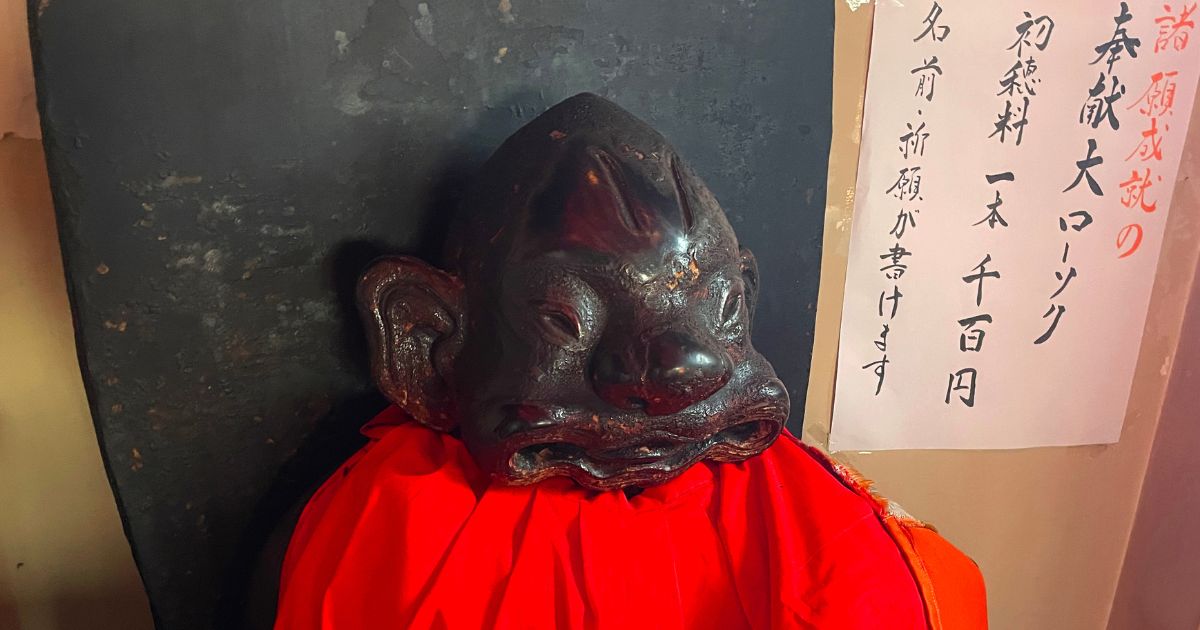
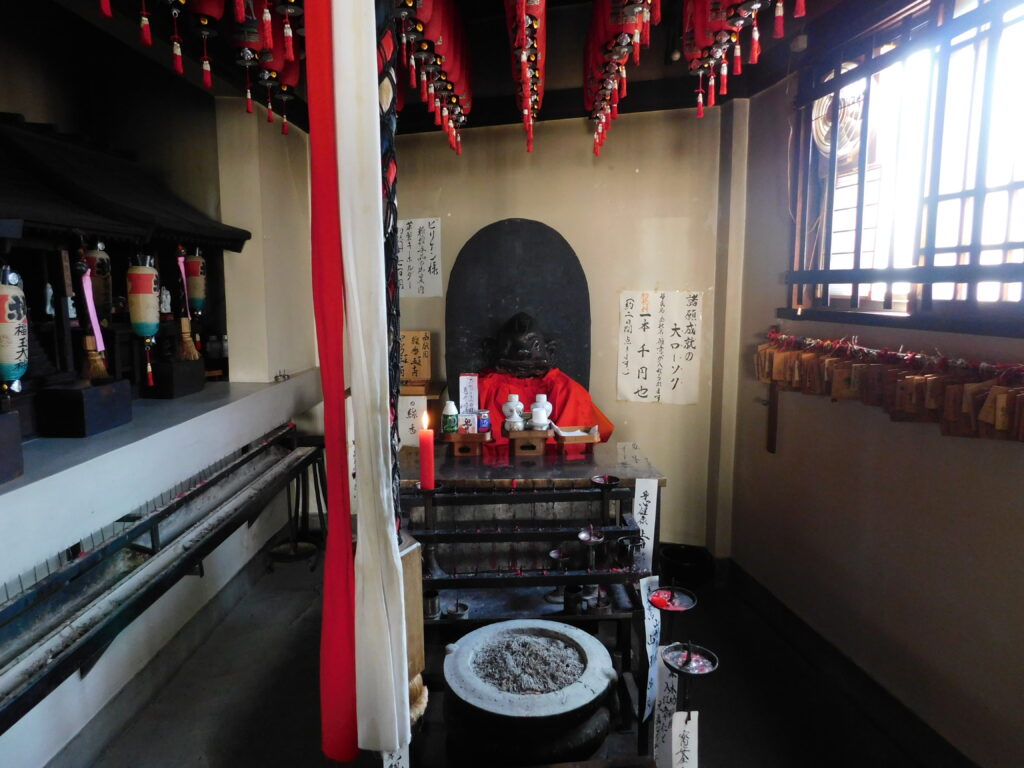
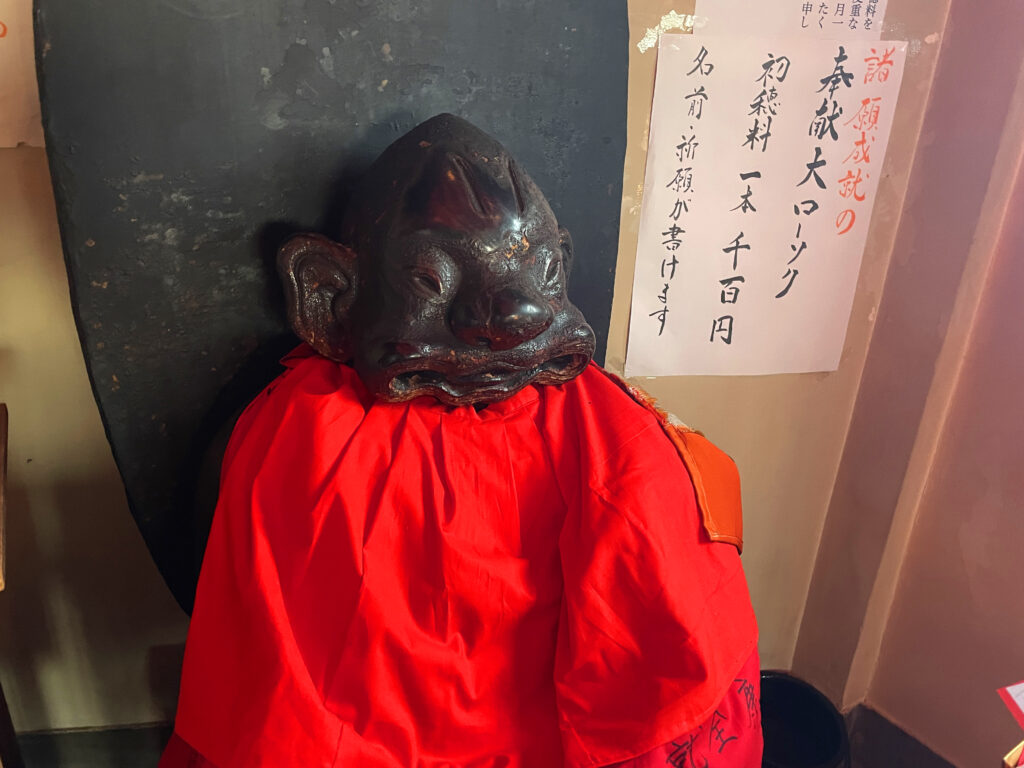
This shrine is also known for enshrining Billiken-san, a lucky figure that originally came from America.
At Matsuo Inari-jinja, Billiken-san is worshipped as Shōfuku Ōkami, a kami of good fortune.
Osaka’s Tsūtenkaku tower is famous for Billiken-san today, but Matsuo Inari-jinja is known as the home of Japan’s oldest “Japan Billiken.”
That makes this shrine a rare place where an American-born lucky figure became part of Japanese shrine worship.
Photo Gallery
Who Is Billiken-san?
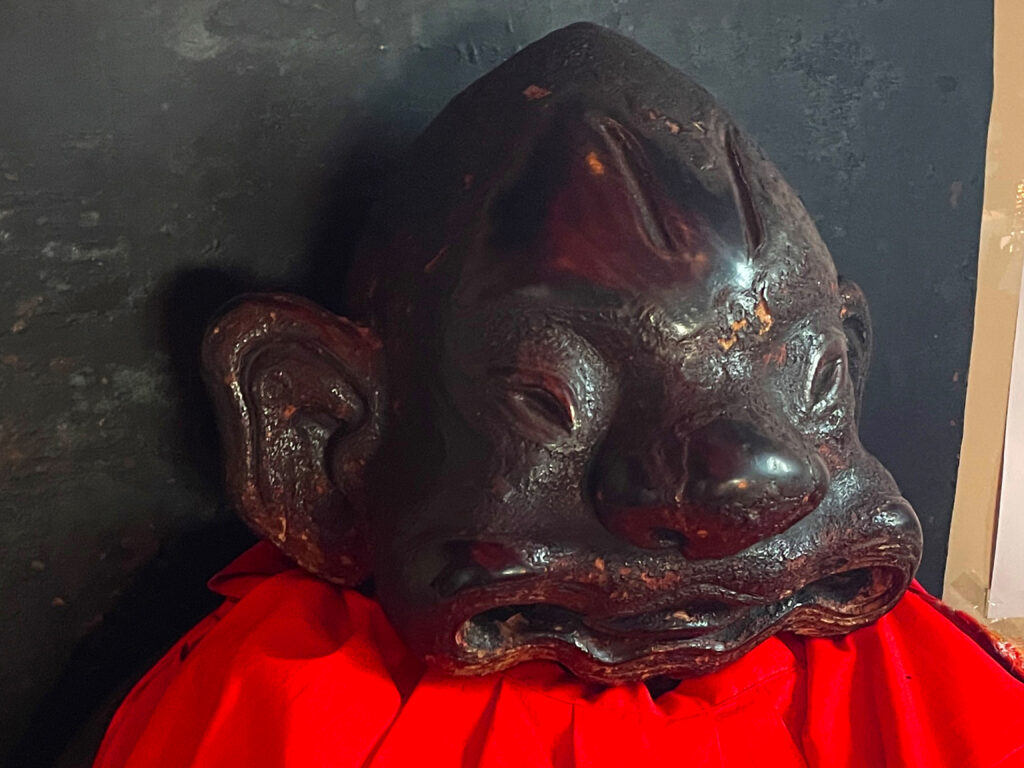
Billiken-san is a round, smiling figure with a pointed head, narrow eyes, and feet stretched forward.
In Japan, many people know him as the lucky god of Osaka’s Tsūtenkaku tower.
Visitors often rub the soles of his feet and pray for good luck.
But Billiken-san did not begin in Osaka.
He was originally created in America in the early twentieth century.
Billiken was created by the American artist and designer Florence Pretz, who is said to have imagined a lucky god she saw in a dream.
After that, Billiken became popular as a lucky charm.
He appeared as dolls, figures, and goods, and the image spread beyond America.
When Billiken reached Japan, people did not simply treat him as a foreign character.
They welcomed him as a bringer of good fortune.
That is where the story becomes especially interesting.
From American Lucky Charm to Japanese Kami
At first glance, Billiken-san may not look like a typical kami from Japanese mythology.
He is not a kami from the Kojiki.
He is not connected with an ancient Japanese mountain, river, or clan.
He began as a modern lucky figure from America.
And yet, at Matsuo Inari-jinja, he came to be worshipped inside a Shinto shrine.
This is what makes the shrine so fascinating.
One characteristic of Japanese religious culture is a certain flexibility in receiving new forms of belief.
Some figures enter through myth.
Some through local worship.
Some through Buddhism.
And sometimes, even a modern image from overseas can become part of people’s prayers.
Billiken-san at Matsuo Inari-jinja is a rare example of that flexibility.
He shows how a symbol of luck can cross the ocean, arrive in a port city, and slowly become something people pray to.
Japan’s Oldest “Japan Billiken”
Matsuo Inari-jinja describes its Billiken-san as Japan’s oldest “Japan Billiken.”
The shrine’s Billiken was inspired by a Billiken figure brought to Kobe by American sailors in the early Taishō period.
A Western-style restaurant owner in Motomachi saw the figure and had a wooden version made.
This Billiken was first placed at the restaurant, where it became popular as a bringer of good fortune.
Later, around the end of the Taishō period, it was donated to Matsuo Inari-jinja.
Since then, it has been worshipped at the shrine as Matsuo Inari’s lucky god.
This story feels very Kobe.
Kobe has long been a port city, open to foreign ships, foreign goods, and foreign culture.
Billiken-san’s journey from America to Kobe, from a restaurant to a shrine, could only happen in a place where different cultures met in daily life.
A Billiken with a Japanese Shape
The Billiken-san at Matsuo Inari-jinja is not simply a copy of the American Billiken.
He has a very Japanese appearance.
He sits on rice bales.
In his right hand, he holds a lucky mallet.
In his left hand, he holds a sacred jewel.
On his back, he carries a large gold coin.
These features make him look almost like a mix of Billiken and Daikoku-sama, one of Japan’s well-known gods of fortune.
That is why the shrine’s Billiken is sometimes described as a “Japan Billiken.”
He is foreign and Japanese at the same time.
He is modern, but he is treated with faith.
He is playful in appearance, but he has become an object of prayer.
This balance is what makes Matsuo Inari-jinja’s Billiken-san so memorable.
He does not erase his American origin.
Instead, he carries it into a Japanese form of good fortune.
Shōfuku Ōkami, the Lucky Kami of Matsuo Inari
At Matsuo Inari-jinja, Billiken-san is worshipped as Shōfuku Ōkami.
The name connects him with inviting good fortune.
According to the shrine, he is associated with protection from misfortune and the blessing of good luck.
Over time, he has also come to be worshipped for healing, children, and learning.
This is very different from simply calling him a mascot.
A mascot may be cute, popular, and easy to recognize.
But at Matsuo Inari-jinja, Billiken-san has received prayers for many years.
People have visited him not only because he looks charming, but because they believed he could bring help, luck, and protection.
That long relationship between visitors and the figure is what turns him into something more than a character.
He becomes part of the shrine’s living faith.
Why This Shrine Feels Different
Many shrine visits are connected with ancient myths, old trees, sacred mountains, or local legends.
Matsuo Inari-jinja has its own long history as an Inari shrine.
But the story of Billiken-san adds a different kind of depth.
It is a story of modernity.
It is a story of Kobe as a port city.
It is a story of a foreign image becoming familiar.
It is also a story of how people decide what becomes sacred.
No one can force a figure to become beloved.
A figure becomes meaningful because people continue to visit, pray, thank, and remember.
That is what seems to have happened here.
Billiken-san came from overseas, passed through the hands of ordinary people, and became a lucky kami at a local shrine.
This may sound unusual.
But in another way, it feels very natural.
Faith is not always born far away in ancient times.
Sometimes it grows slowly in the everyday lives of people.
Billiken-san and Tsūtenkaku
For many people in Japan, Billiken-san means Osaka.
The image of Billiken-san at Tsūtenkaku is famous, and many visitors associate him with Shinsekai, Osaka’s lively old entertainment district.
That Billiken-san is important, too.
But Matsuo Inari-jinja lets us see another side of the story.
Before thinking of Billiken-san only as an Osaka symbol, it is worth remembering that Kobe also played an important role in his journey through Japan.
At Matsuo Inari-jinja, Billiken-san is not only a tourist symbol.
He is enshrined as a kami.
This makes the experience feel quieter and more intimate than seeing him in a famous landmark.
It is less about taking a photo with a well-known character.
It is more about meeting a strange and gentle figure who found a place inside Japanese worship.
What to Notice When You Visit
When visiting Matsuo Inari-jinja, first notice how unusual the story is.
This is an Inari shrine, but it is also a place where Billiken-san is worshipped.
That combination is rare.
Next, look at Billiken-san’s form.
The rice bales, lucky mallet, jewel, and gold coin show how the American-born Billiken was reshaped into a Japanese image of good fortune.
Also notice the atmosphere of the shrine.
This is not a large, famous tourist site like Tsūtenkaku.
It is a local shrine where a very unusual faith has continued quietly.
That quietness is part of its charm.
If you already know Billiken-san from Osaka, Matsuo Inari-jinja may change the way you see him.
He is not only a symbol of Shinsekai.
He is also a small example of how belief travels, changes, and settles into a new place.
Final Thoughts
Matsuo Inari-jinja is a shrine where a foreign-born lucky figure became part of Japanese prayer.
Billiken-san began as an American image of good fortune, created by Florence Pretz.
He crossed the ocean, arrived in Kobe, was remade in a Japanese style, and eventually came to be worshipped at a Shinto shrine.
That journey is what makes this shrine so special.
It is not only a story about a cute lucky figure.
It is a story about how people receive something new and give it meaning.
At Matsuo Inari-jinja, Billiken-san is not treated only as a mascot.
He is Shōfuku Ōkami, a kami of good fortune who has been loved by visitors for many years.
For anyone interested in shrines, folk belief, or the meeting of Japanese and foreign culture, this is a place worth remembering.
Tradition is not only about preserving what has existed since ancient times.
Sometimes, it is also about receiving something unexpected and allowing it to find a sacred place in people’s lives.