A Shrine with a Very Old Presence
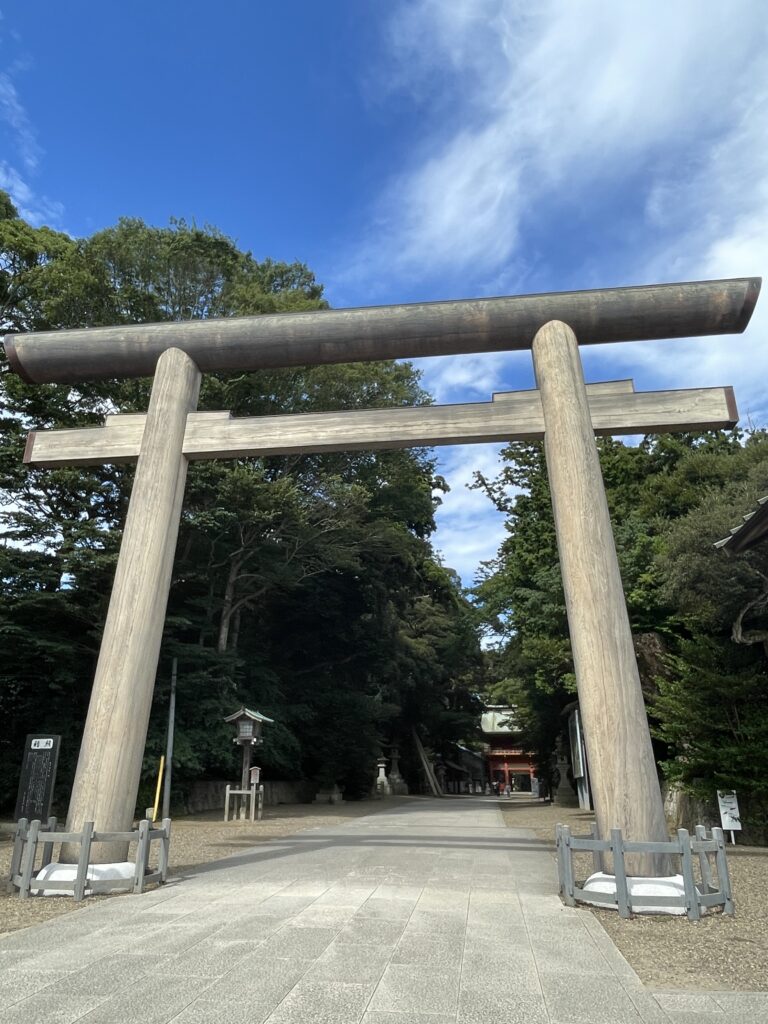
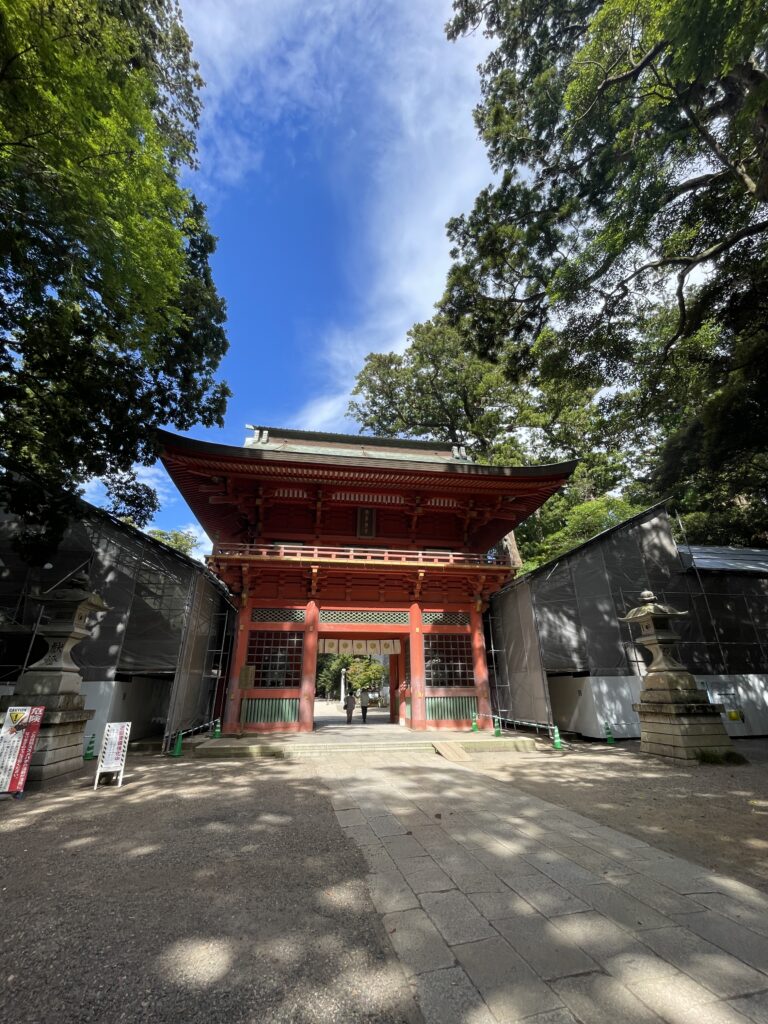
Kashima Jingu is a historic Shinto shrine located in Ibaraki Prefecture. It enshrines Takemikazuchi-no-Okami, a powerful kami known as a deity of nation-building and martial strength. Kashima Jingu is traditionally said to date back to around the 7th century BCE, making it one of Japan’s most ancient and important shrines.
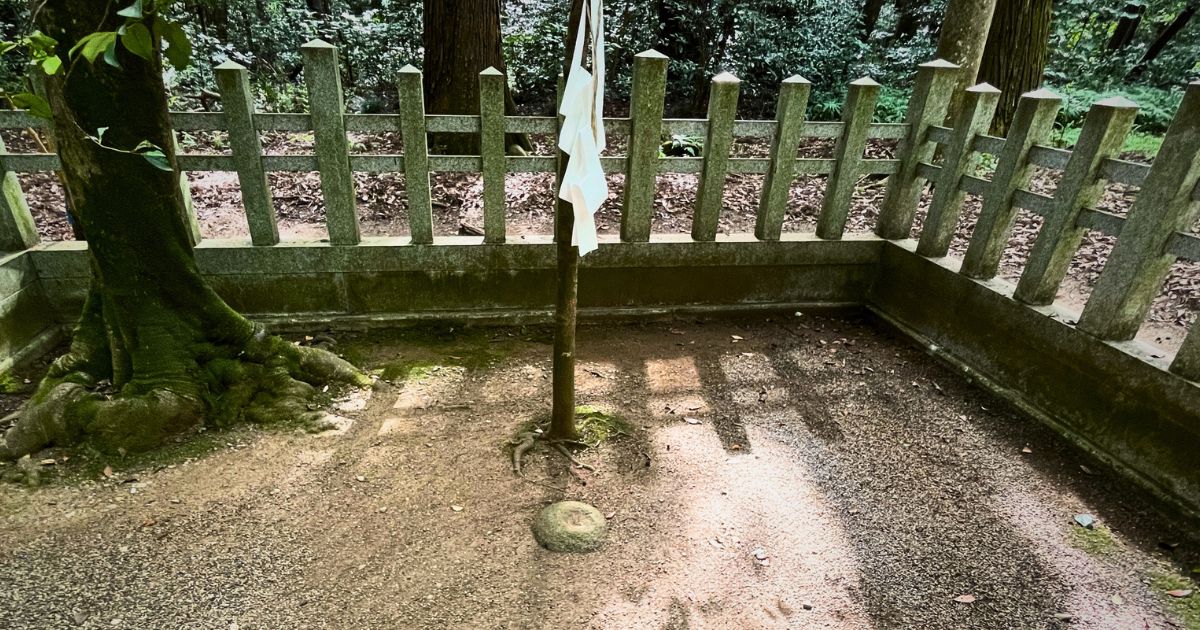
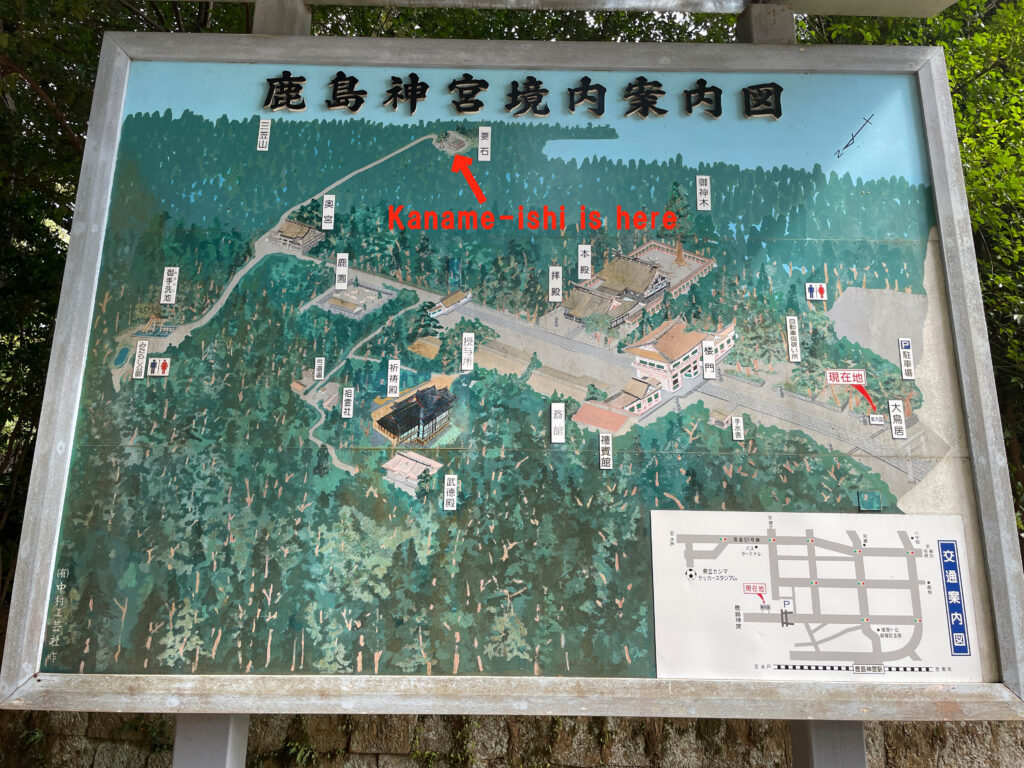
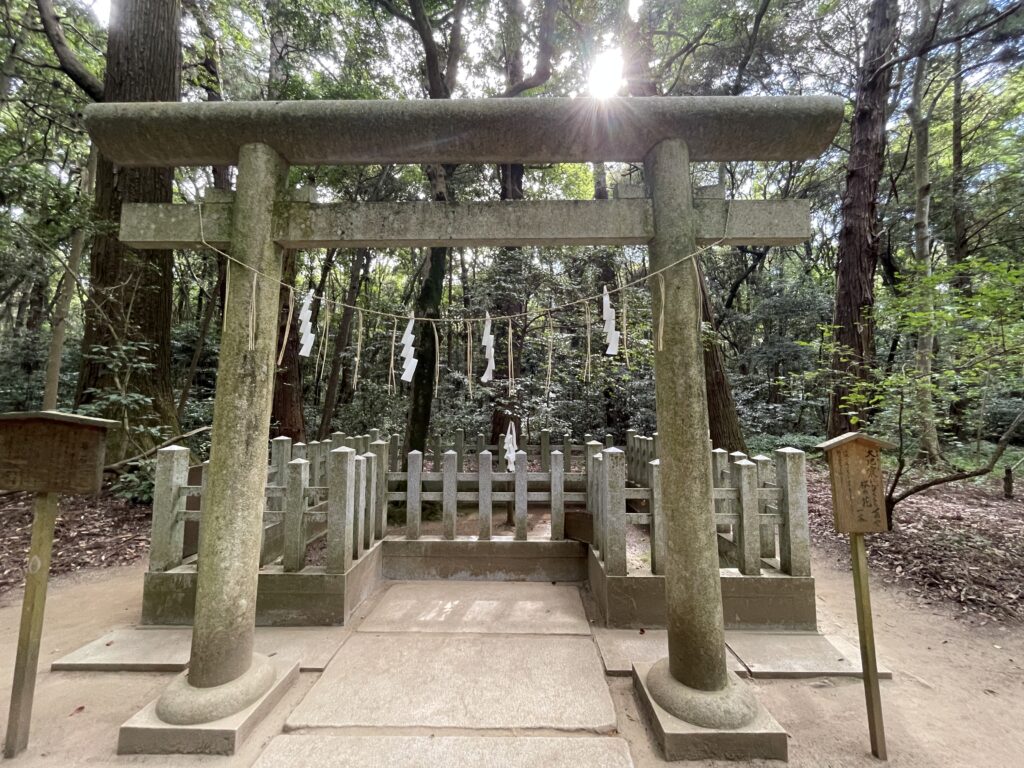
The shrine grounds are spacious and peaceful, but hidden deeper inside is one of its most mysterious spots: Kaname-ishi, the sacred keystone.
Photo Gallery
The Stone That Holds Back an Earthquake Catfish
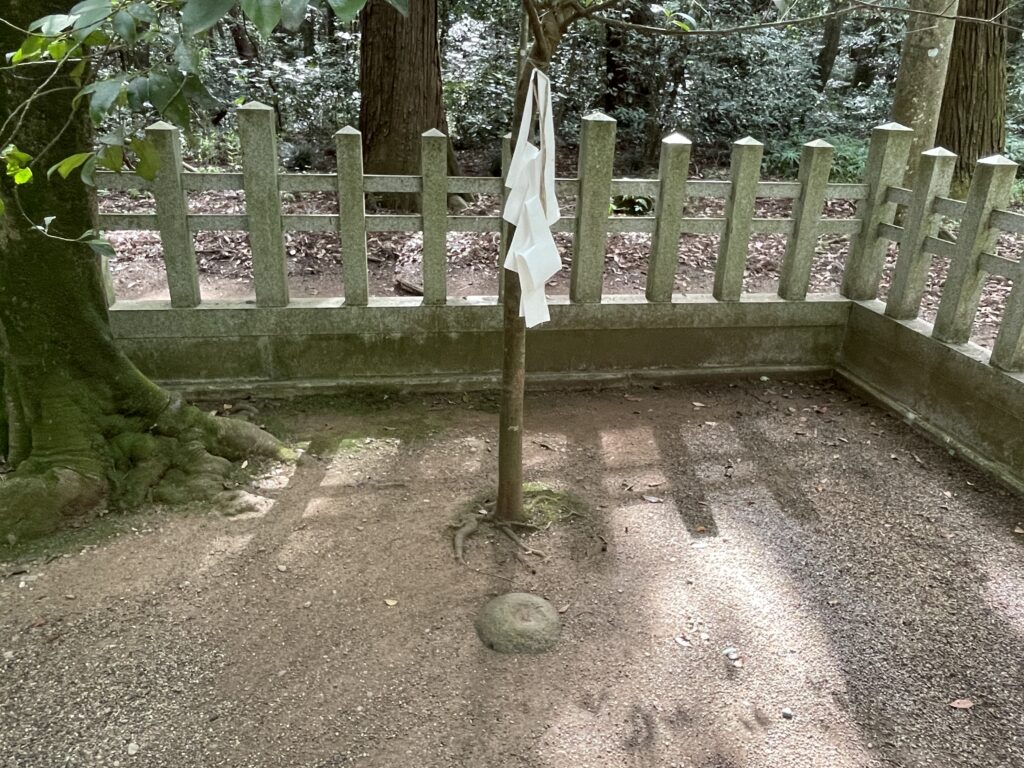
At first glance, Kaname-ishi may look surprisingly small. You might even think, “Wait… this is it?” But according to legend, the part visible above the ground is only a tiny piece of a much larger stone buried deep underground.
Kaname-ishi is said to hold down the head of a giant catfish living beneath the earth. In Japanese folklore, this giant catfish was believed to cause earthquakes when it moved. The idea of Kashima’s deity and the keystone suppressing the earthquake-causing catfish also appears in old namazu-e, or catfish prints, especially after the great earthquakes of the Edo period.
In other words, this little stone has a very big job.
Not a Worm, but a Catfish
If this sounds familiar, you may be thinking of the anime film Suzume. In the movie, mysterious “keystones” are used to seal a giant supernatural worm that can cause disasters. Because of this, Kashima Jingu’s Kaname-ishi is often mentioned as one of the real-world inspirations connected to the idea of a keystone sealing away disaster.
However, in the traditional legend of Kashima Jingu, the being underground is not a giant worm. It is a giant catfish.
So, the anime version gives us a great visual fantasy, while the shrine legend gives us an older Japanese earthquake myth: somewhere under the earth, a giant catfish is being held down by a sacred stone.
Honestly, both versions are pretty intense.
What Happens If the Stone Moves?
There is also a belief that if Kaname-ishi is moved, a great earthquake will occur. This is why the stone is not simply an object to look at. It is treated as a sacred presence connected to protection, stability, and the calming of the land.
Whether you see it as mythology, folklore, or spiritual symbolism, Kaname-ishi carries a powerful message: the unseen world beneath our feet matters.
Mito Mitsukuni Tried to Dig It Up
One of the most famous stories about Kaname-ishi involves Tokugawa Mitsukuni, also known as Mito Komon. During the Edo period, Mitsukuni reportedly ordered his men to dig around the stone to find out how deep it went.
According to local folklore, they dug for seven days and seven nights, but they still could not reach the bottom. Some stories even say the hole mysteriously filled back in overnight. In the end, Kaname-ishi remained exactly where it was.
The lesson? Maybe do not challenge a sacred earthquake-sealing stone.
A Small Stone with a Huge Story
Kaname-ishi is not flashy. It does not tower over the shrine grounds, and it does not look dramatic at first glance. But once you know the story behind it, the atmosphere changes completely.
A small stone, a giant catfish, earthquakes, Edo-period legends, and even a connection to modern anime — Kaname-ishi is a perfect example of how Japanese shrines often carry layers of myth, history, and imagination in one quiet place.