Visiting a Japanese shrine is not about being perfect.
It is about entering a sacred place with quiet respect.
When visiting a shrine, try to wear clean and neat clothing. It does not need to be formal, but it is best to avoid clothing that is overly revealing or too casual for a sacred place. Animal-print clothing is also better avoided.
In Shinto, there is a concept of avoiding kegare, which refers to impurity or a state of being unclean. For this reason, cleanliness is an important part of approaching a sacred place.
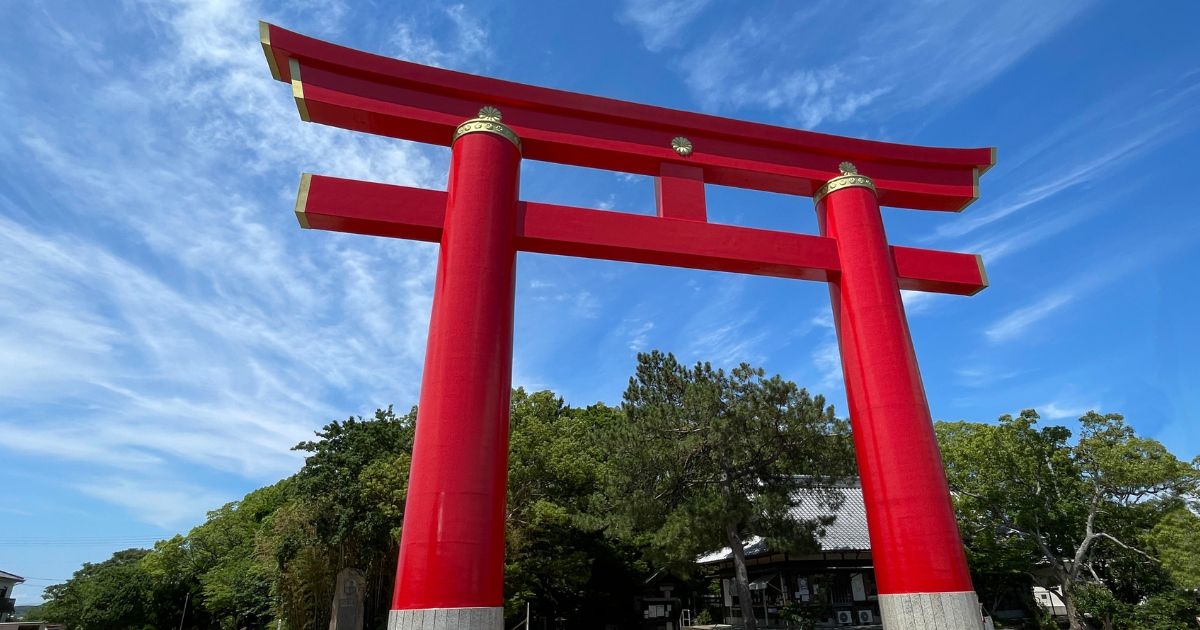
When you arrive at the torii gate, bow once before passing through. The torii marks the entrance from the everyday world into sacred space.
After passing through the torii, walk along the side of the path rather than the center. In Shinto tradition, the center path is considered the way for the kami. Walking to the side is a simple way to show respect as you approach the main shrine.
What to Avoid Inside a Shrine
There are also a few things visitors should avoid inside a shrine.
Avoid eating, smoking, and drinking alcohol inside shrine grounds. Drinking water for hydration is usually fine, but some shrines ask visitors to use designated rest areas.
Try not to speak loudly or make unnecessary noise. A shrine is a place of worship, so it is best to keep your voice low and move calmly.
As a general rule, do not bring pets into shrine grounds. Some shrines make exceptions and allow visitors to bring pets, but it is best to check the shrine’s rules in advance. In older Shinto thought, animals could be connected with kegare through ideas of blood and death. Today, there are also practical reasons, such as preventing barking, biting, or hygiene problems caused by irresponsible owners.
Restricted Sacred Areas
Some shrines have areas that visitors must not enter.
Of course, this includes the inside of shrine buildings and other clearly restricted spaces. But there may also be areas marked by a kekkai, a sacred boundary often indicated by rope and shide, the white paper streamers used in Shinto.
Never step inside a kekkai.
These boundaries may protect especially sacred places. In some cases, they may also mark places where misfortune or harmful forces are believed to be contained. Even if the area looks simple or empty, it should be treated with respect.
Photography rules also vary by shrine. Some shrines do not allow photos of the main sanctuary, while others prohibit photography only in certain areas. Even when photography is allowed, avoid standing directly in front of the kami. If you take a photo of the main shrine building, it is more respectful to take it from a slight angle.
Each shrine may have its own rules, so always follow the signs and instructions on site.
These small gestures help you experience the shrine more mindfully and respectfully.
This article is Part 1 of the shrine visit series. For a fuller understanding of shrine etiquette, please also read Part 2 and Part 3.