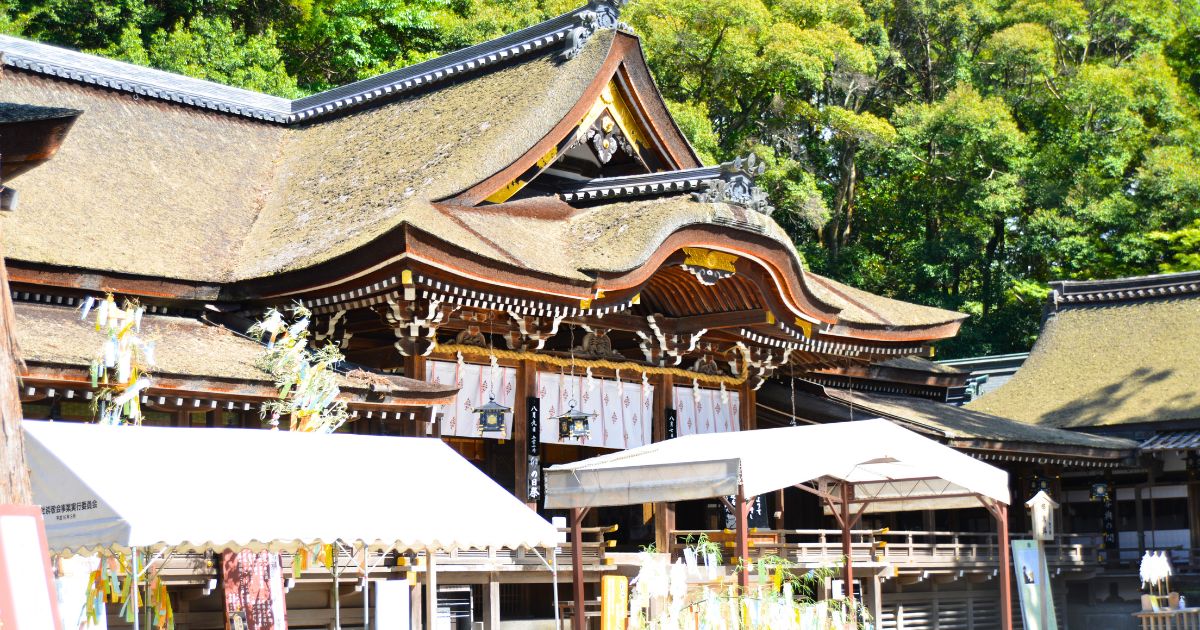
About This Shrine
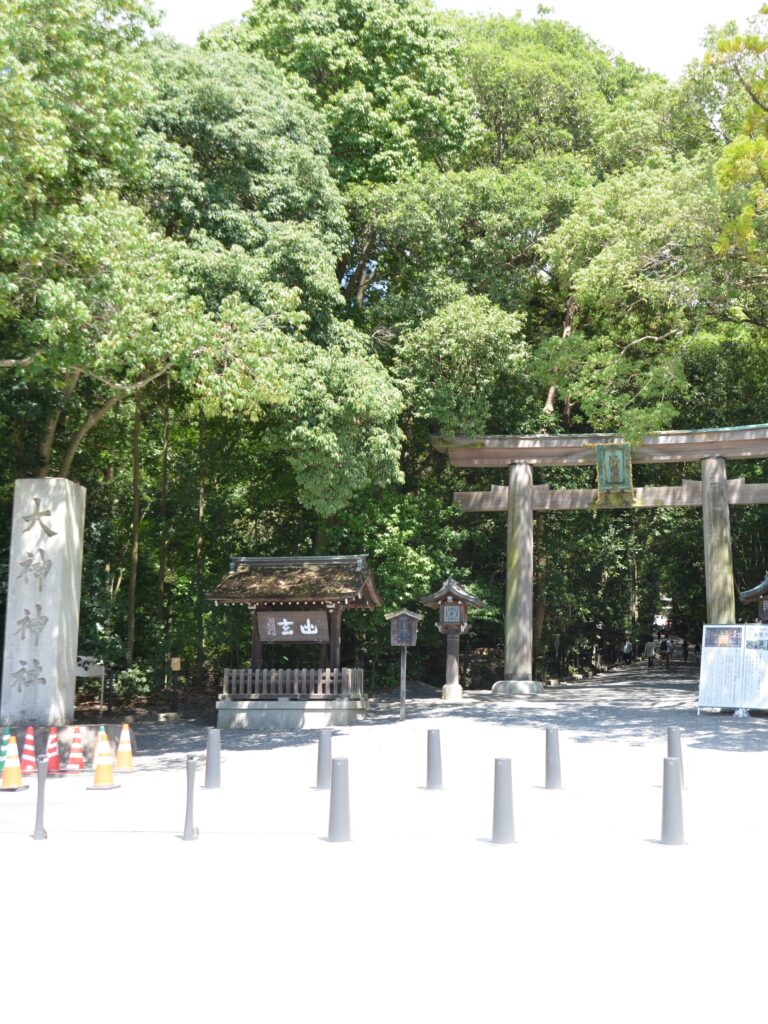
Ōmiwa-jinja is a Shinto shrine in Nara Prefecture, located at the foot of Mount Miwa.
The main kami enshrined here is Ōmononushi-no-Ōkami. Ōnamuchi-no-Kami and Sukunahikona-no-Kami are also closely connected with the shrine.
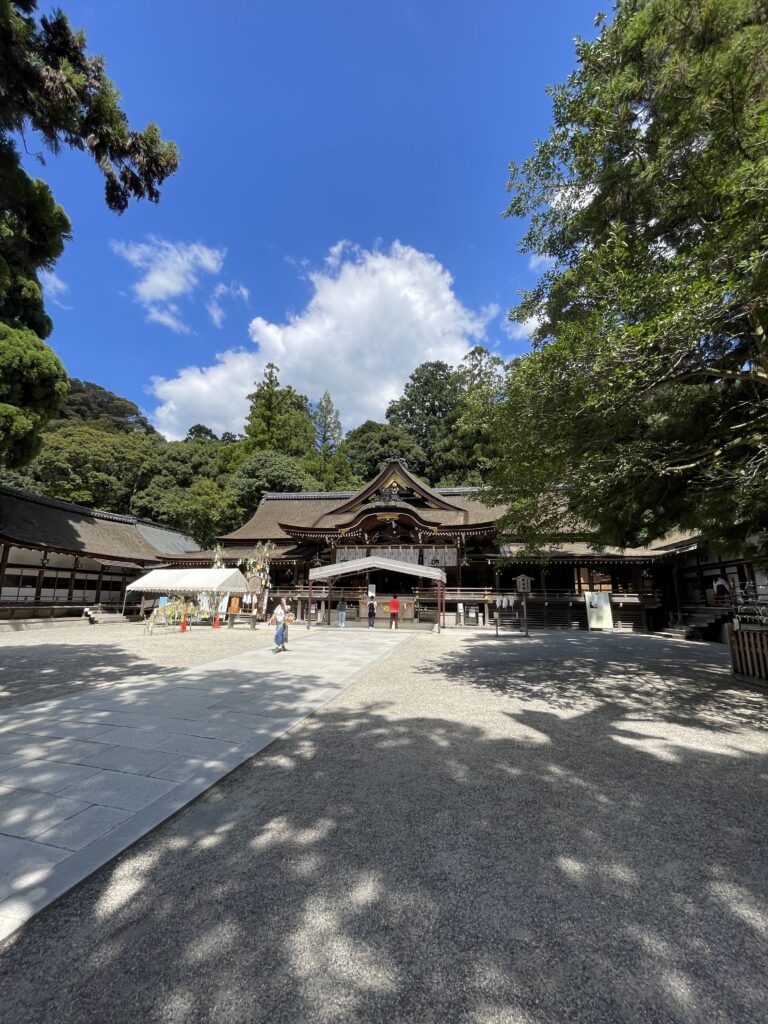
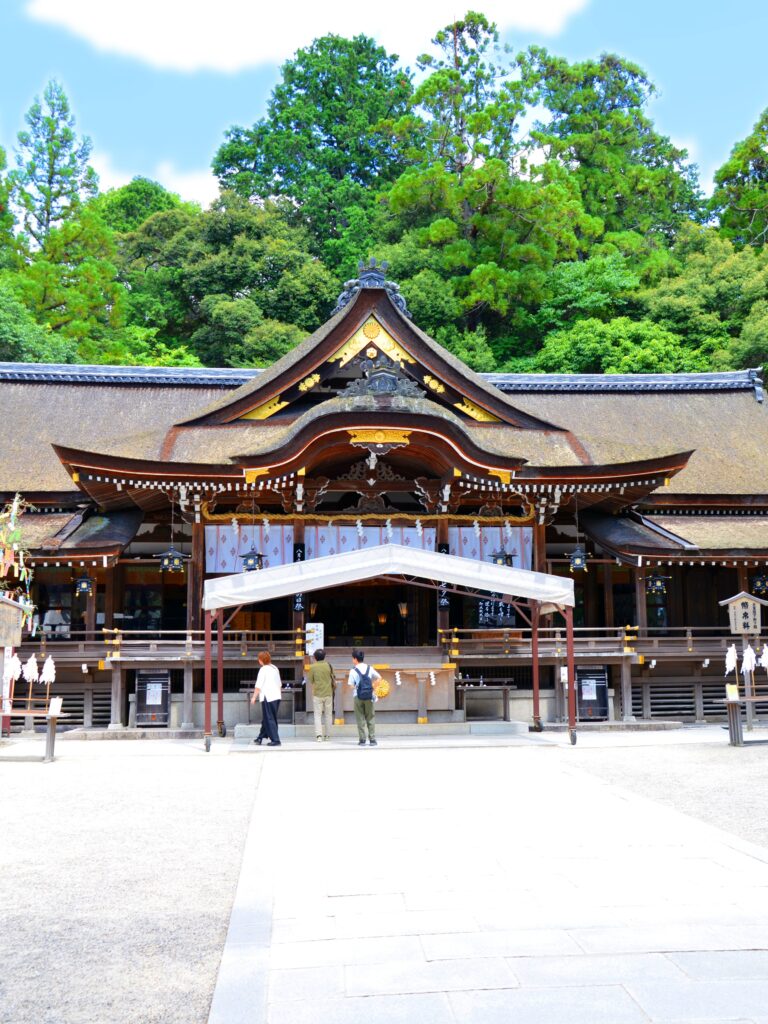
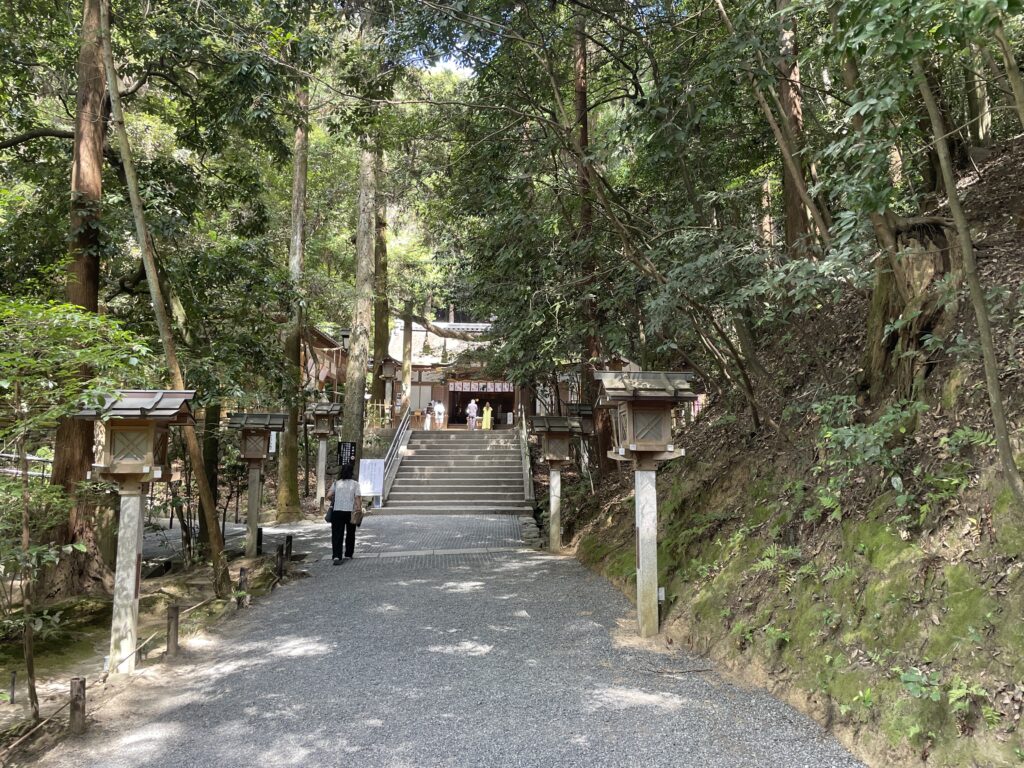
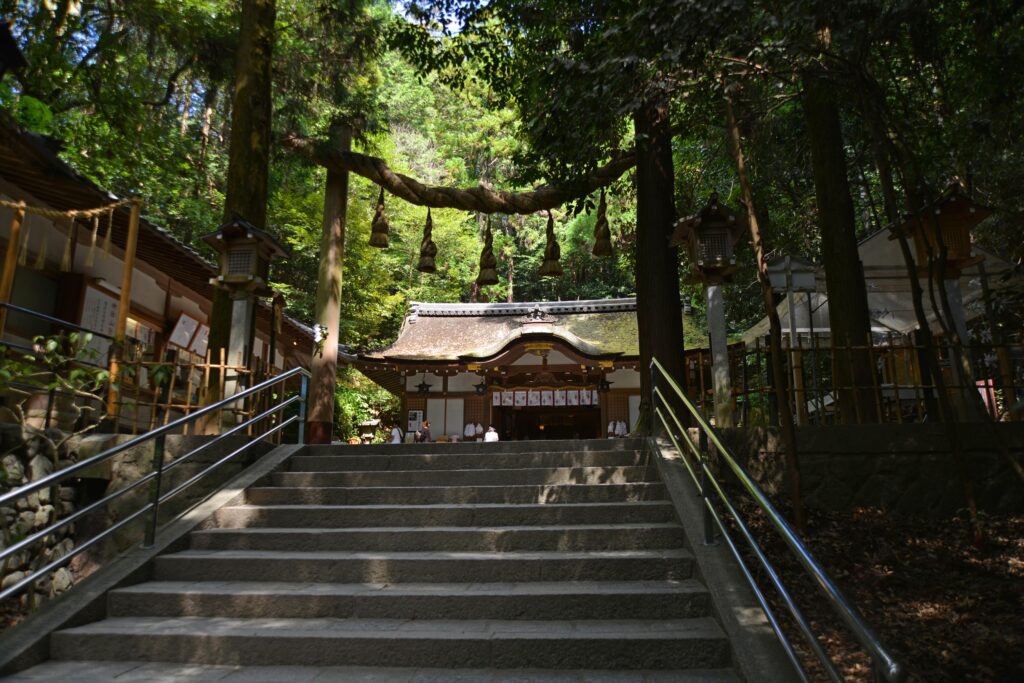
According to shrine tradition, Ōmononushi-no-Ōkami wished to be enshrined on Mount Miwa. Because the kami is believed to dwell in the mountain itself, Ōmiwa-jinja has no main sanctuary building in the usual sense. Instead, visitors worship Mount Miwa from the worship hall.
Ōmiwa-jinja is associated with blessings such as protection, warding off misfortune, directional protection, medicine, sake brewing, agriculture, safe travel, relationships, and support for daily life.
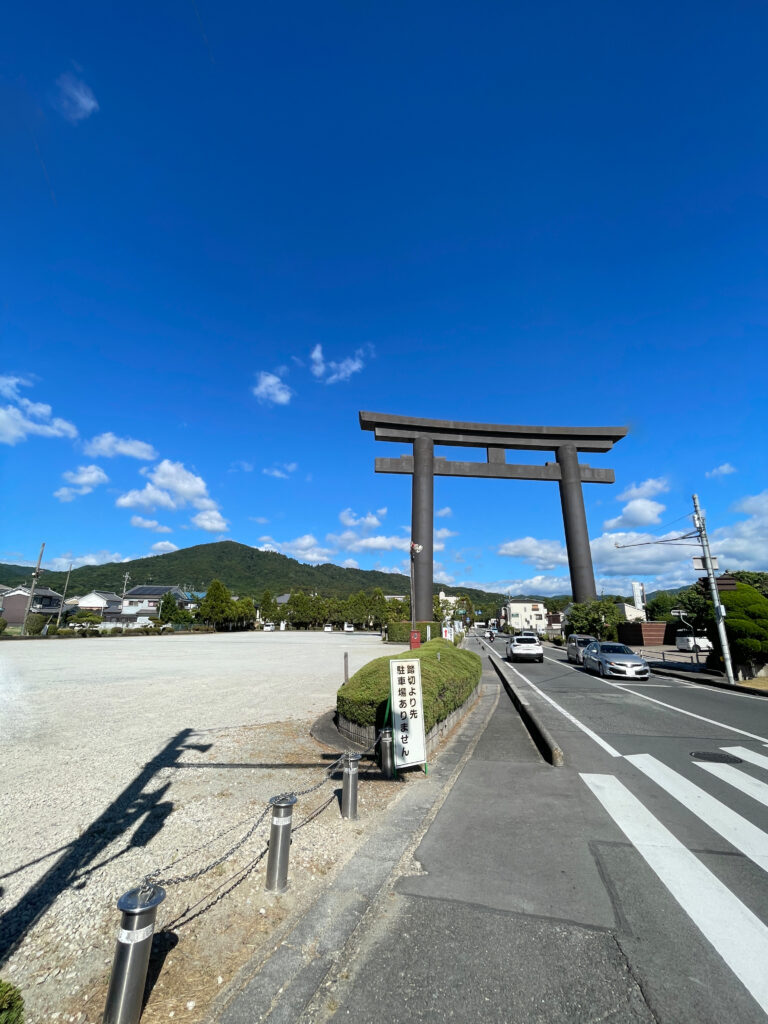
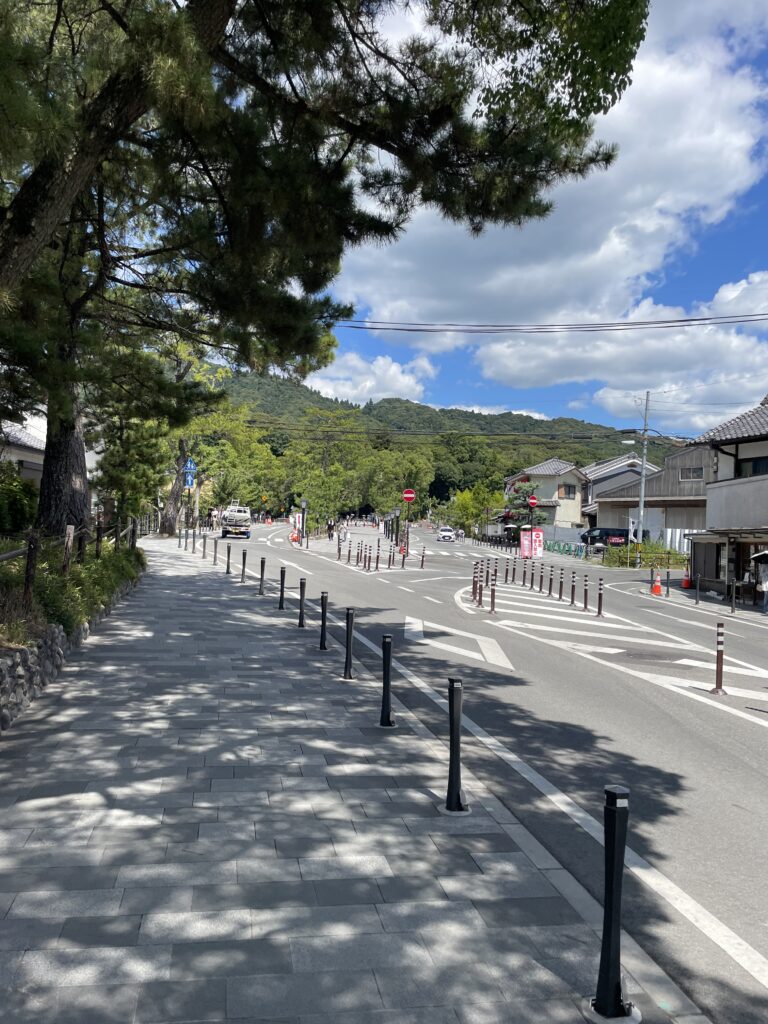
This shrine is also often included among places that people say you cannot reach unless you are “called.” I felt that myself on the way there. I got lost, became caught in heavy traffic, and started to wonder if I was not meant to go. But when I finally arrived, the sky was clear, and the whole place felt fresh and peaceful.
Photo Gallery
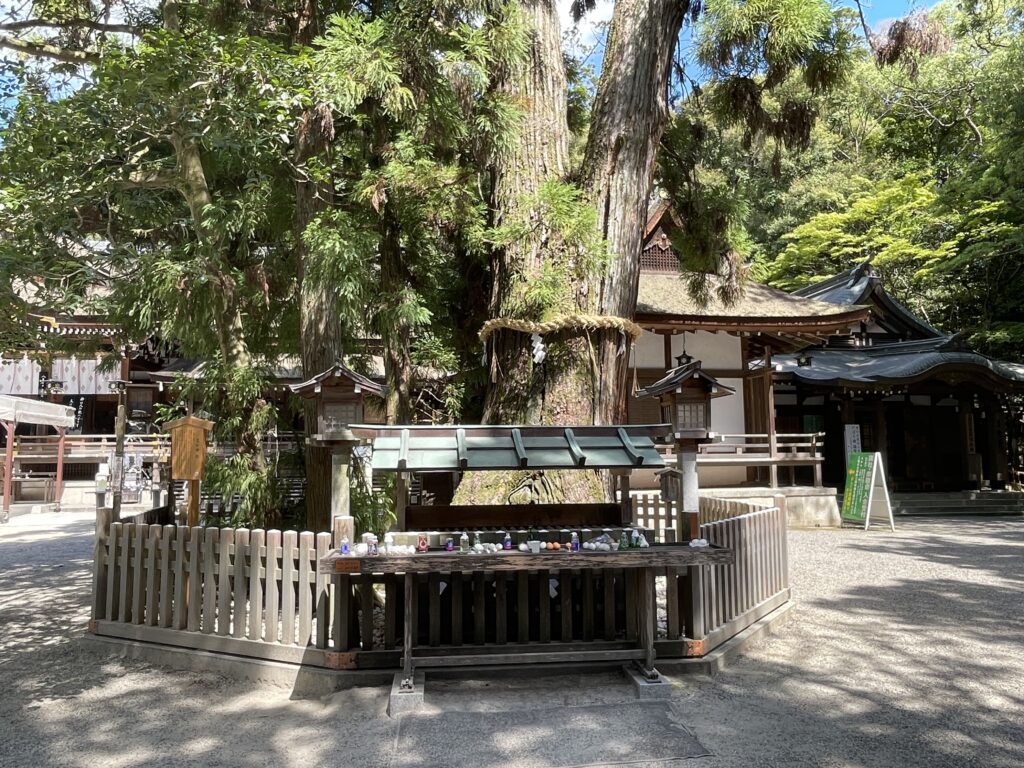
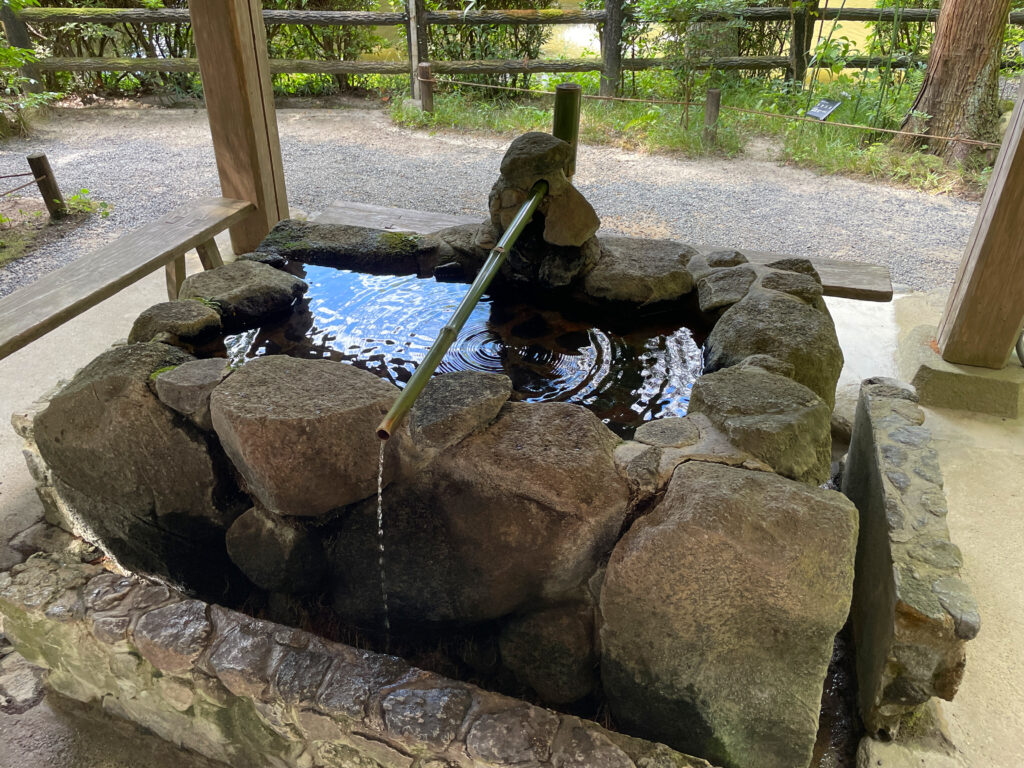
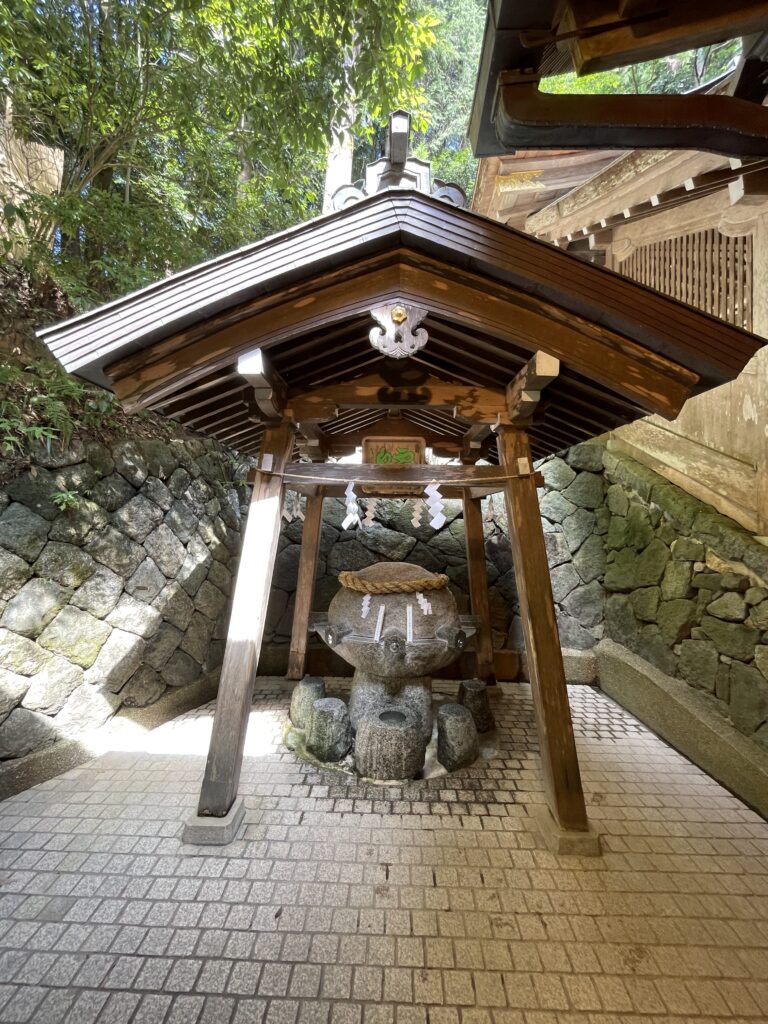
Sai-Jinja
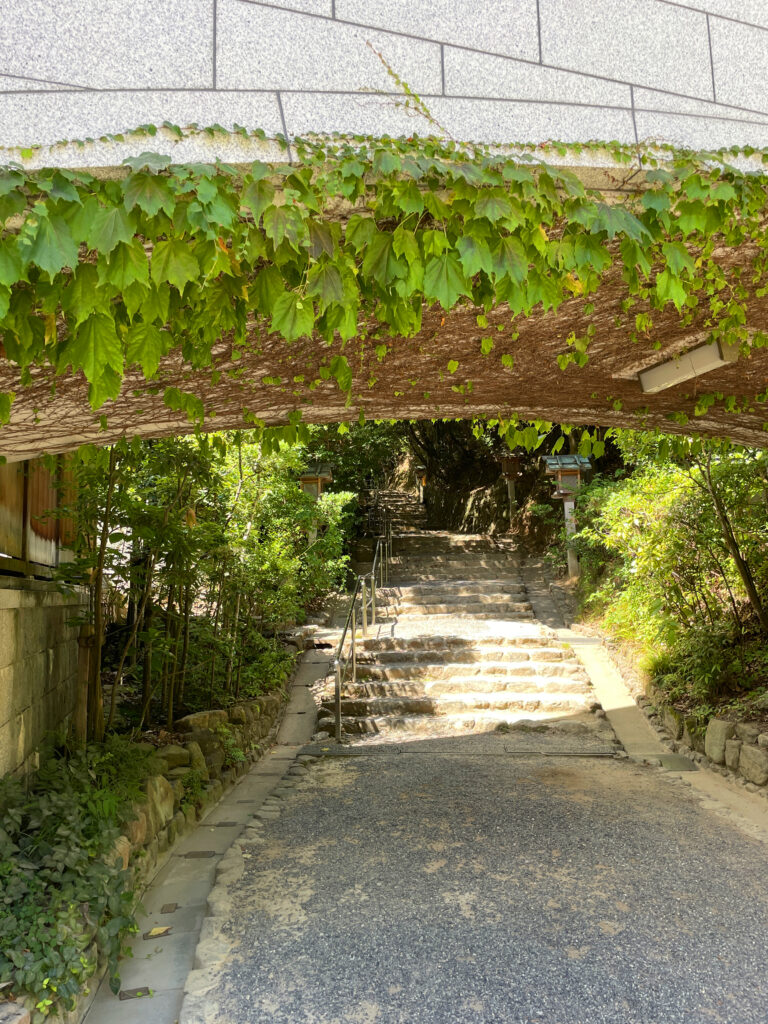
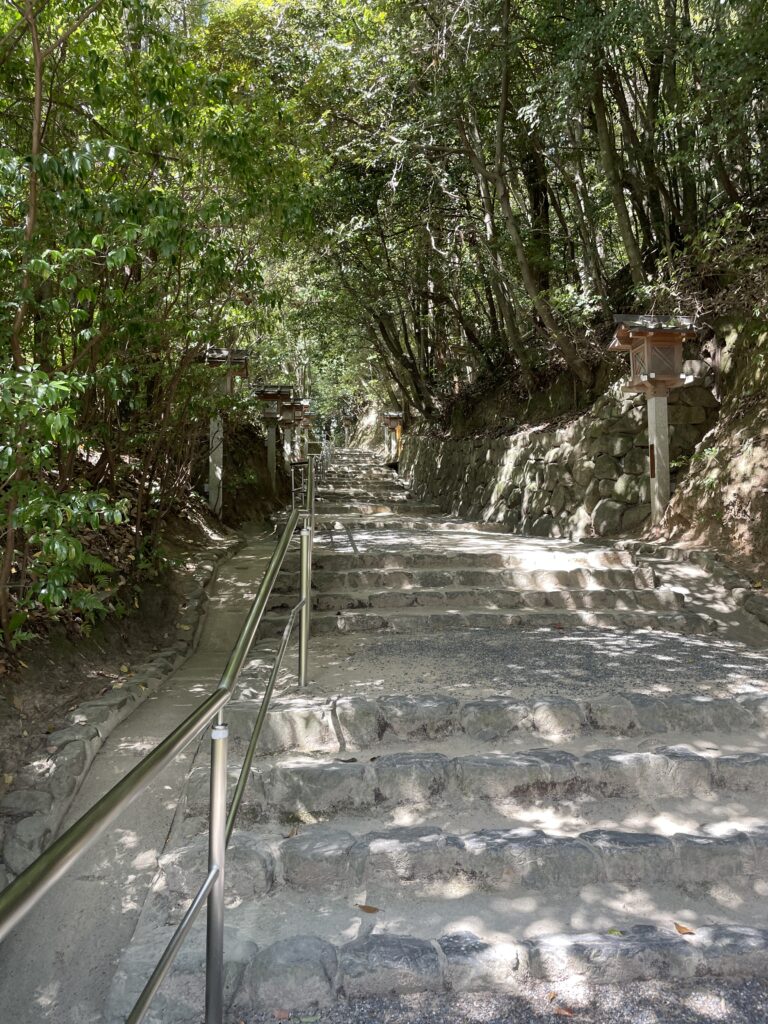
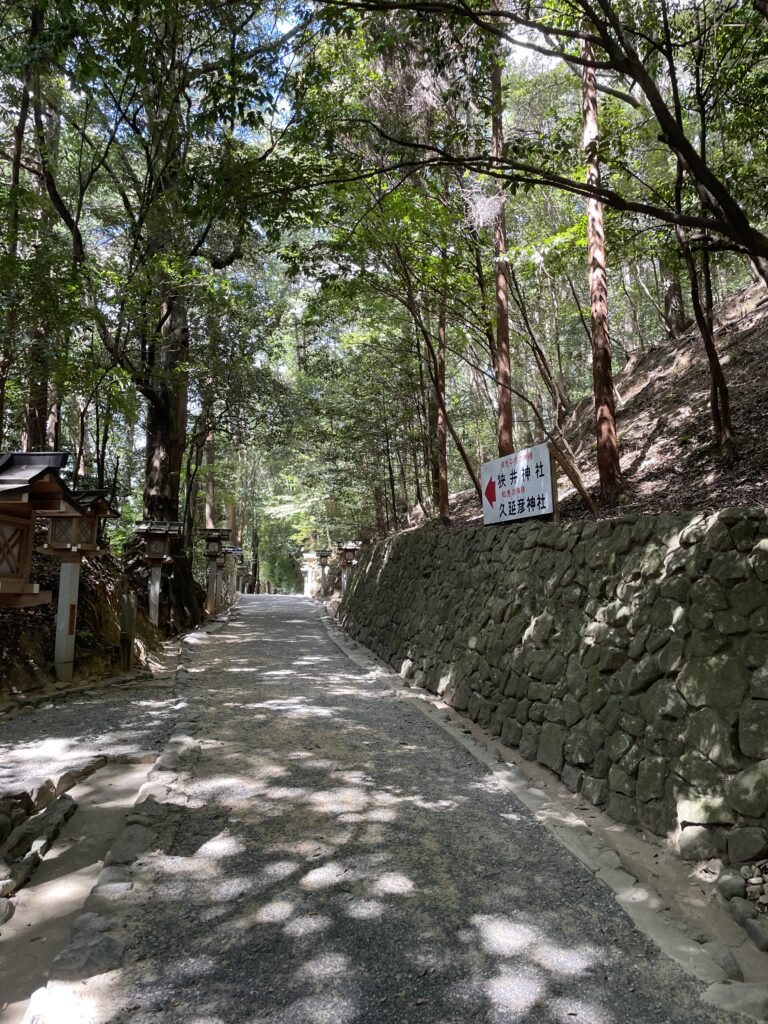
A Shrine Where the Mountain Itself Is Worshipped
One of the most important things to know about Ōmiwa-jinja is that Mount Miwa itself is treated as the sacred object of worship.
Many shrines have a main sanctuary building where the kami is enshrined.
Ōmiwa-jinja is different.
Because Ōmononushi-no-Ōkami is believed to dwell in Mount Miwa, the shrine does not have a main sanctuary building in the usual form.
Instead, visitors pray toward the mountain from the worship hall.
This gives Ōmiwa-jinja a very old feeling.
It reminds visitors of a time before large shrine buildings became common, when mountains, rocks, trees, and natural places were directly felt as places of kami.
The shrine does not separate worship from the landscape.
The mountain is not only a background.
It is the center of the shrine.
Ōmononushi-no-Ōkami and the Story of Mount Miwa
Ōmiwa-jinja is deeply connected with Ōmononushi-no-Ōkami.
According to the Kojiki, Ōmononushi-no-Ōkami appeared before Ōkuninushi-no-Kami and asked to be enshrined on the eastern mountain of Yamato.
That mountain is understood as Mount Miwa.
In the Nihon Shoki, Ōmononushi-no-Ōkami is also described as the sakimitama and kushimitama of Ōkuninushi-no-Kami. These words refer to spiritual aspects connected with blessing, protection, and mysterious power.
For readers who are new to Japanese mythology, the details may feel complex.
But the important point is simple.
Ōmiwa-jinja is not only a shrine built near a mountain.
It is a shrine where the mountain and the kami are inseparable.
That is what makes the atmosphere here feel so different.
The Serpent of Mount Miwa and Offerings of Eggs
Ōmononushi-no-Ōkami is also connected with the image of a serpent.
At Ōmiwa-jinja, this connection can be seen in the sacred cedar called Mi-no-Kami-sugi.
The name is connected with a white serpent, understood as a manifestation of Ōmononushi-no-Ōkami, that is said to dwell there.
Because of this serpent connection, eggs are offered by visitors.
You may see eggs placed near sacred points in the shrine grounds, especially around the sacred cedar and, at times, near the worship hall area.
This may look unusual at first.
But it is not meant as decoration.
It is a quiet form of offering connected with the belief that the serpent is close to the kami of Mount Miwa.
For visitors, this detail makes the atmosphere of Ōmiwa-jinja feel even more alive.
The mountain is not only a symbol.
The kami is not only an idea.
Through the cedar, the serpent image, and the offerings, the presence of Ōmononushi-no-Ōkami feels connected with something very old and very close to the land.
Sai-jinja, Sacred Water, and the Entrance to Mount Miwa
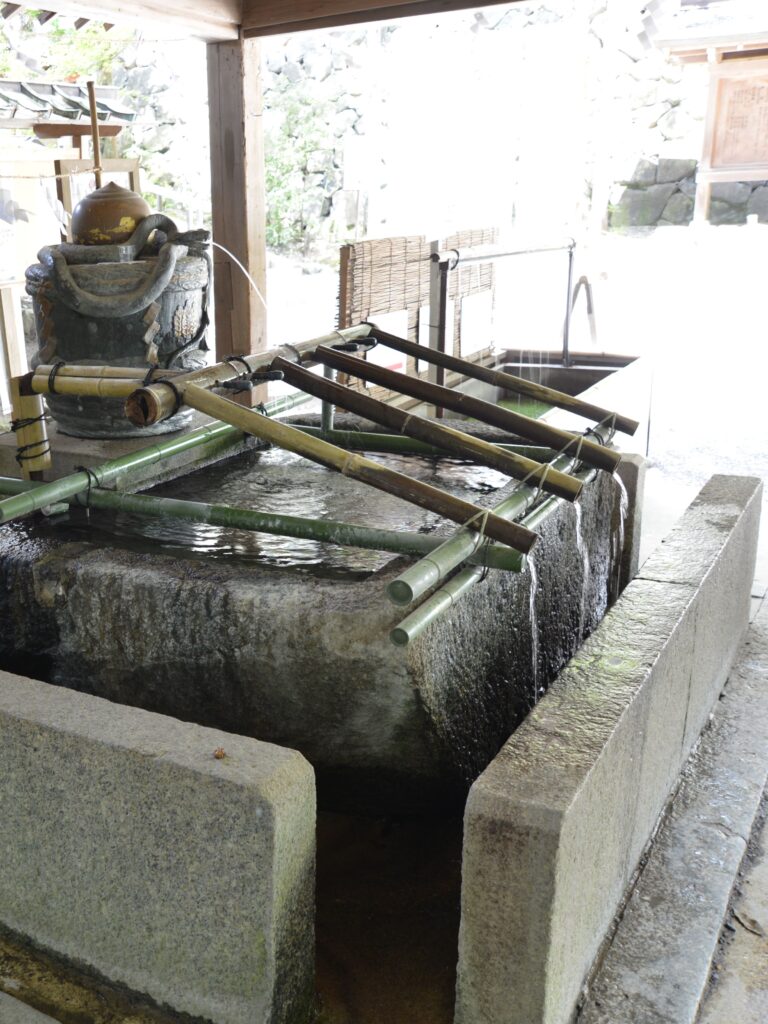
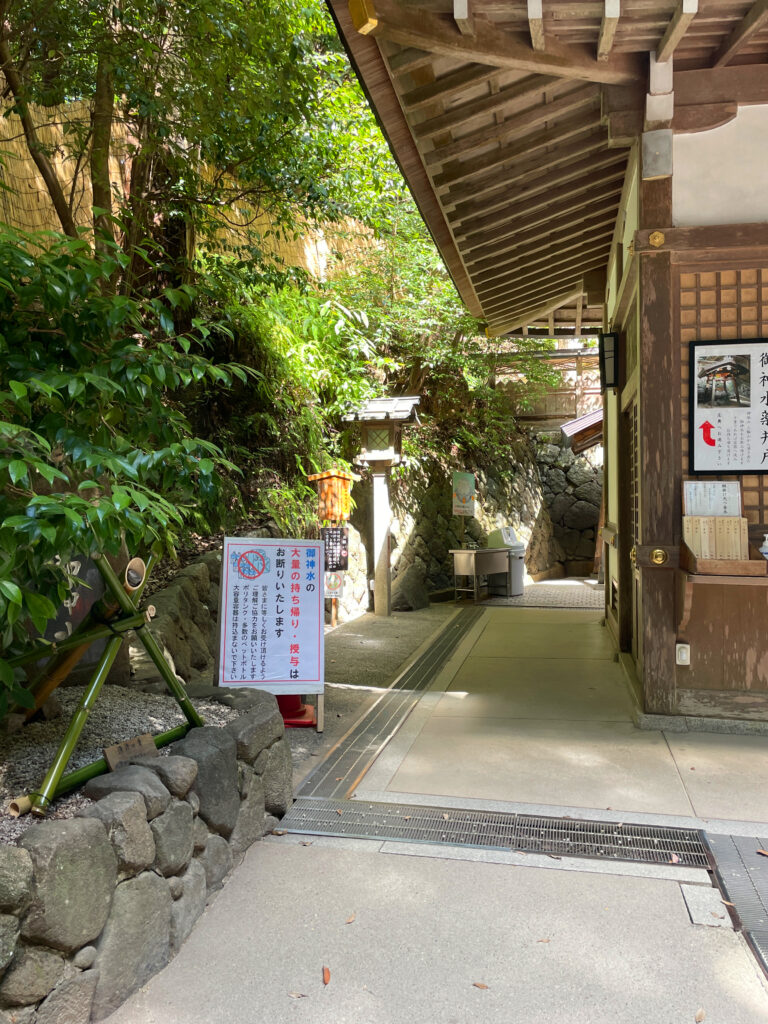
Within the wider shrine area, there is a subsidiary shrine called Sai-jinja.
Sai-jinja is dedicated to the aramitama, or powerful spirit, of the kami of Miwa, and it has long been worshipped in connection with healing and physical well-being.
Beside the worship hall of Sai-jinja is a well called Kusuri-ido, or “medicine well.”
The water that springs from this well is called goshinsui, sacred water.
According to shrine tradition, this water is said to be medicinal water, and many visitors come to draw it.
This does not mean that the water should be treated casually, like ordinary mineral water.
It is better to receive it with gratitude and respect, as part of the worship connected with Sai-jinja and Mount Miwa.
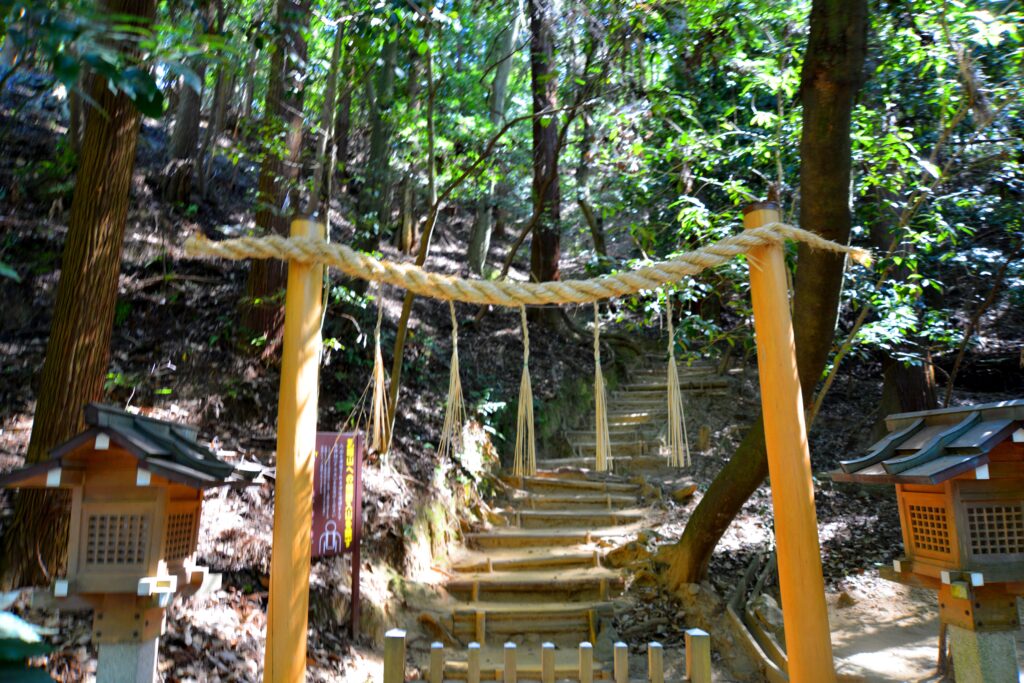
Sai-jinja is also important because the entrance for climbing Mount Miwa is located there.
Mount Miwa is the sacred object of worship at Ōmiwa-jinja, so this is not treated like an ordinary mountain hike.
Visitors who wish to climb must follow the shrine’s rules, apply at Sai-jinja, and enter with a respectful heart.
When I visited, however, Mount Miwa was closed because of the extreme summer heat.
I could not climb the mountain that day.
At first, that felt a little disappointing.
But it also made sense.
At a shrine where the mountain itself is sacred, not being able to enter can also become part of the visit.
The mountain is not something visitors simply take for themselves.
Sometimes, worship means standing at the foot of the mountain, receiving what is available, and accepting the boundary.
Blessings Connected with Daily Life
Ōmononushi-no-Ōkami is not only connected with ancient mythology.
The kami has also been worshipped as a guardian of human life and daily life.
Ōmiwa-jinja is associated with medicine, sake brewing, agriculture, protection from misfortune, directional protection, safe travel, and relationships.
This range of blessings may seem wide at first.
But it makes sense when you think about what daily life needs.
Health.
Food.
Work.
Safe movement.
Good connections.
A good direction forward.
The ability to avoid what may disturb life.
Ōmiwa-jinja feels deeply connected with that kind of support.
It is not only about asking for something dramatic.
It is also about giving thanks for the ordinary foundations that allow life to continue.
One of the Shrines People Say You Must Be Called To Visit
Like Tamaki-jinja, Ōmiwa-jinja is sometimes spoken of as a shrine you cannot reach unless you are called.
This does not need to be understood as a strict rule.
It is better to see it as a way people express the feeling that the shrine has a special timing.
Some people may arrive smoothly.
Others may feel that the road itself becomes part of the visit.
For me, the way to Ōmiwa-jinja was not smooth at all.
I got lost.
Then I became caught in heavy traffic.
At one point, I honestly wondered if I was not being welcomed that day.
But after all that, I reached the shrine.
And when I arrived, the weather was beautifully clear.
The sky was bright, the air felt clean, and the heaviness from the road seemed to lift.
It made the visit feel even more meaningful.
The difficult road did not feel like a sign that I should not have gone.
Instead, it made the moment of arrival feel clearer.
The Feeling of Arrival
Arriving at Ōmiwa-jinja after getting lost and sitting in traffic changed the way I felt the shrine.
If everything had gone perfectly, I might have experienced it as a normal shrine visit.
But because the journey was difficult, the clear sky at the end felt almost like a quiet answer.
I do not want to say that the shrine caused the traffic or the weather.
That would be too simple.
But in a place like Ōmiwa-jinja, timing and atmosphere can feel deeply connected.
The frustration of the road, the uncertainty, and the sudden feeling of relief all became part of the visit.
By the time I stood in the shrine grounds, I felt refreshed.
Not excited in a noisy way.
Just clear.
It was the kind of feeling that makes you take a slow breath without thinking about it.
The Mitsutorii You Usually Cannot See
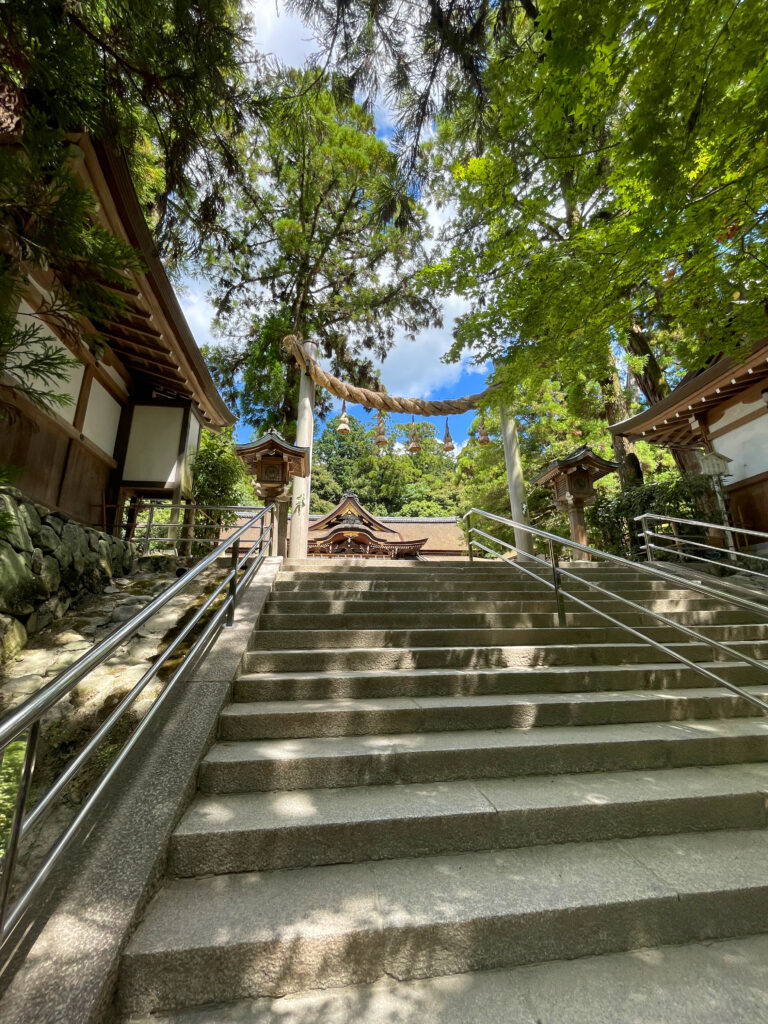
One of the most important features of Ōmiwa-jinja is the Mitsutorii.
The name means “three torii gates,” and it refers to a special gate made of three torii placed together.
At Ōmiwa-jinja, the Mitsutorii stands behind the worship hall.
It marks the boundary between the place where visitors pray and the sacred area connected with Mount Miwa.
Because of that, the Mitsutorii is not usually something visitors can walk up to and see directly.
This may feel surprising, especially because the Mitsutorii is such an important symbol of the shrine.
But that distance is part of its meaning.
Ōmiwa-jinja is a shrine where the most important presence is not always visible.
You stand before the worship hall, face Mount Miwa, and pray toward a sacred mountain that cannot be fully entered or possessed.
The unseen part does not make the shrine feel less real.
It makes the prayer feel deeper.
What to Notice When You Visit
When visiting Ōmiwa-jinja, first notice Mount Miwa.
The mountain is not just behind the shrine.
It is the sacred center of the shrine.
Next, notice the worship hall and the way the prayer is directed toward the mountain.
This is one of the most important features of Ōmiwa-jinja.
The shrine keeps an older form of worship, where the presence of the kami is felt through the mountain itself.
You may not be able to see the Mitsutorii directly during an ordinary visit.
Still, knowing that it stands behind the worship hall can change the way you understand the prayer.
You are not simply praying in front of a building.
You are praying toward Mount Miwa, through a boundary that protects the sacred space behind it.
Also notice the serpent connection.
If you see eggs offered near the sacred cedar or other sacred points in the grounds, they are part of the shrine’s living tradition around Ōmononushi-no-Ōkami.
This is a small detail, but it can make the visit feel deeper.
If you visit Sai-jinja, remember that this is where the entrance to Mount Miwa is located.
Depending on the weather, the season, or other conditions, the mountain may be closed.
If that happens, it does not mean the visit has failed.
At Ōmiwa-jinja, even standing before the mountain and respecting its boundary can be a meaningful form of worship.
If you are visiting as part of the “shrines you must be called to” series, pay attention to the journey too.
The road, the timing, the weather, and your own condition may all shape the way the shrine feels.
If you get lost, delayed, or tired, it does not always mean you should give up.
But it is also important not to force yourself.
Visit with care, follow the signs and local guidance, and allow the experience to unfold calmly.
Final Thoughts
Ōmiwa-jinja is one of the most memorable shrines in Nara because the mountain itself is at the heart of worship.
It is not only a place where you visit a shrine building.
It is a place where you stand before Mount Miwa and feel how old forms of worship can still remain alive.
The Mitsutorii behind the worship hall is an important symbol of this faith, even though visitors usually cannot see it directly.
The sacred cedar, the serpent connection, and the offerings of eggs add another layer to the shrine’s atmosphere.
Sai-jinja, with the entrance to Mount Miwa, also reminds visitors that the mountain is not an ordinary place to enter freely.
When I visited, the mountain was closed because of the extreme heat.
Even so, the visit did not feel incomplete.
If anything, it made the boundary of the mountain feel more real.
The saying that you cannot reach certain shrines unless you are called may not be something we can prove.
But at Ōmiwa-jinja, it is easy to understand why people say it.
The journey matters.
The timing matters.
The feeling when you finally arrive matters.
For me, the road to the shrine was confusing and heavy.
But the arrival was clear, bright, and peaceful.
That contrast became part of the memory.
Ōmiwa-jinja felt like a shrine that does not simply welcome you at the gate.
It lets the whole journey become part of the worship.