About This Shrine
Ise Jingū is one of the most revered shrines in Japan.
Its official name is simply Jingū. Although there are other shrines with the title Jingū, the word Jingū by itself usually refers to Ise Jingū.
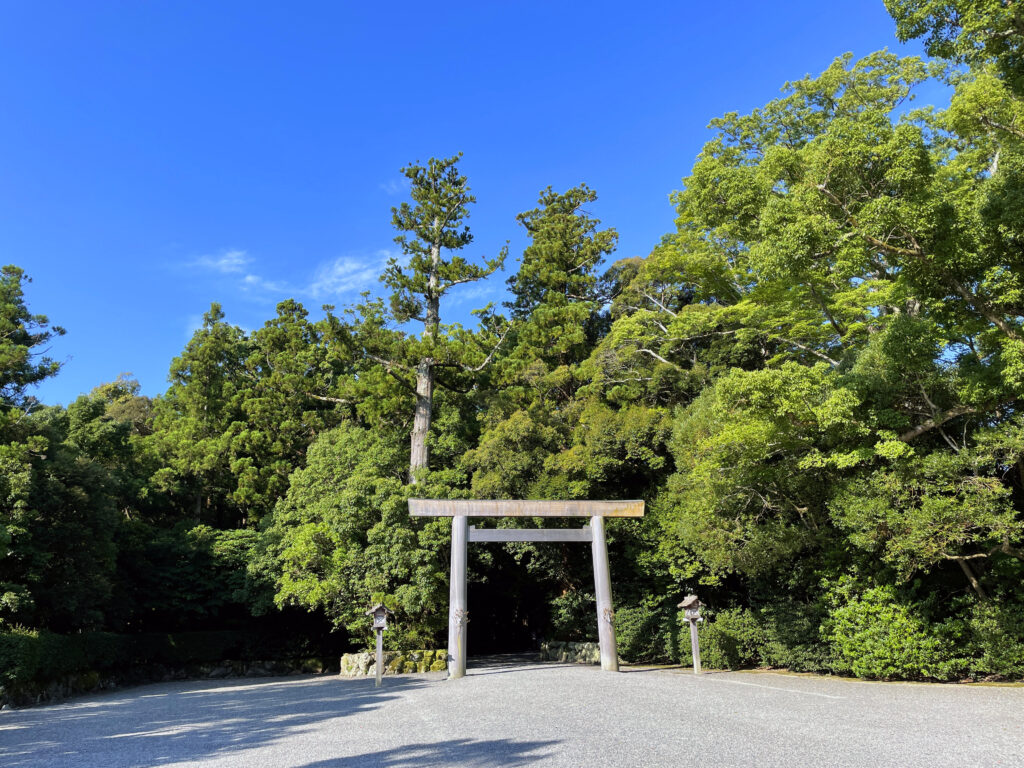
Ise Jingū is not a single shrine. It is a shrine complex made up of 125 jinja (Shinto shrines), centered around Naikū and Gekū.
Naikū is the Inner Shrine. Its formal name is Kōtaijingū, and it enshrines Amaterasu-Ōmikami, the ancestral kami of the Imperial family.
Gekū is the Outer Shrine. Its formal name is Toyouke Daijingū, and it enshrines Toyouke-no-Ōkami, a kami connected with food, clothing, shelter, and daily life.
Together, Naikū and Gekū form the center of Ise Jingū.
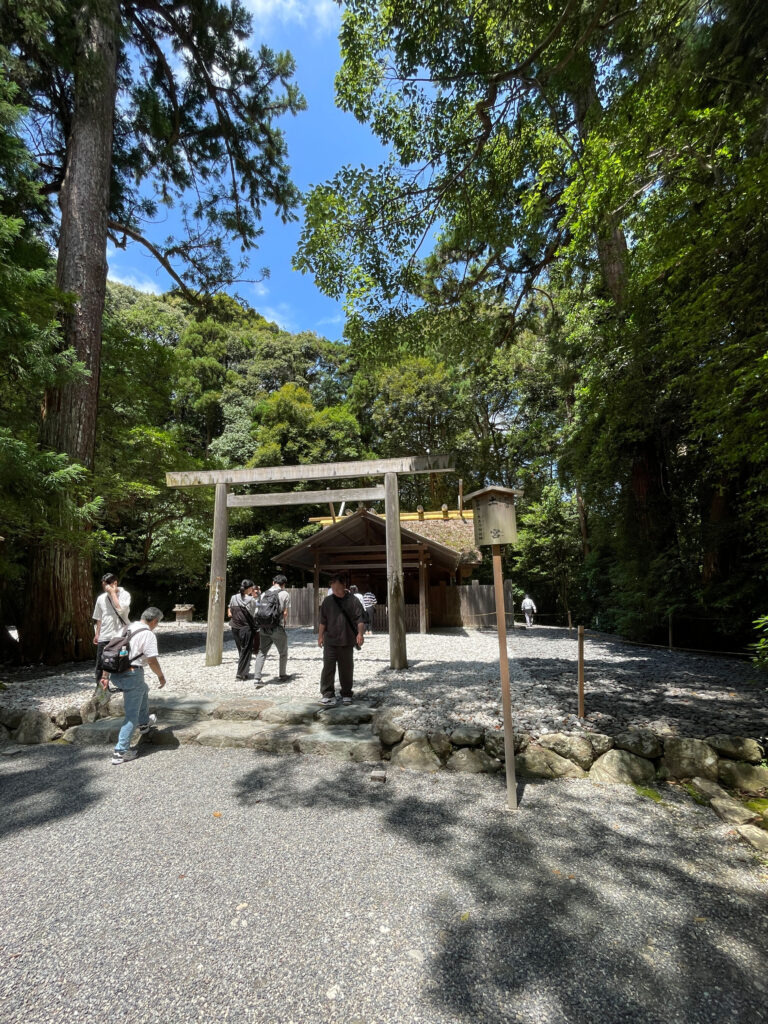
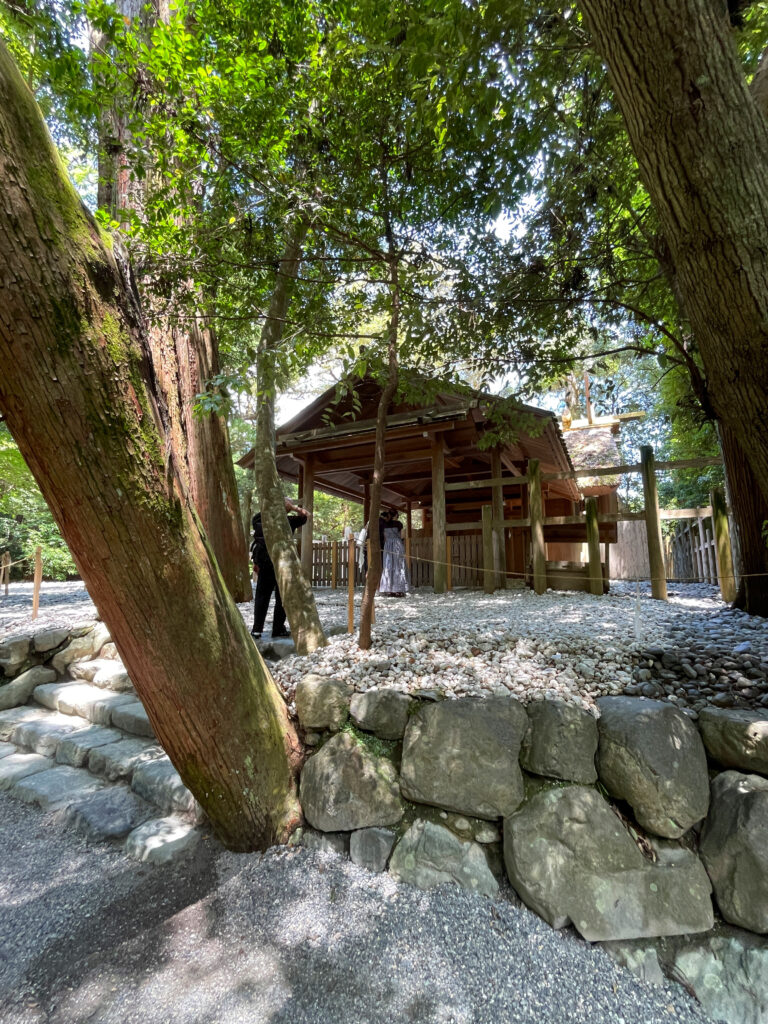
Photo Gallery
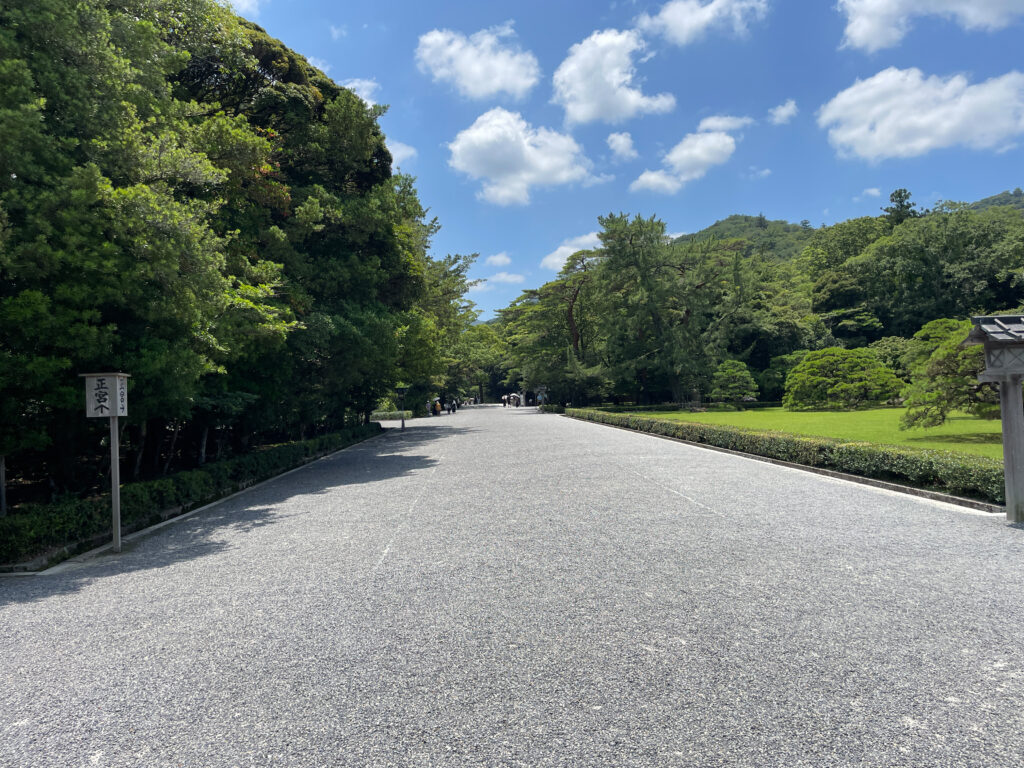
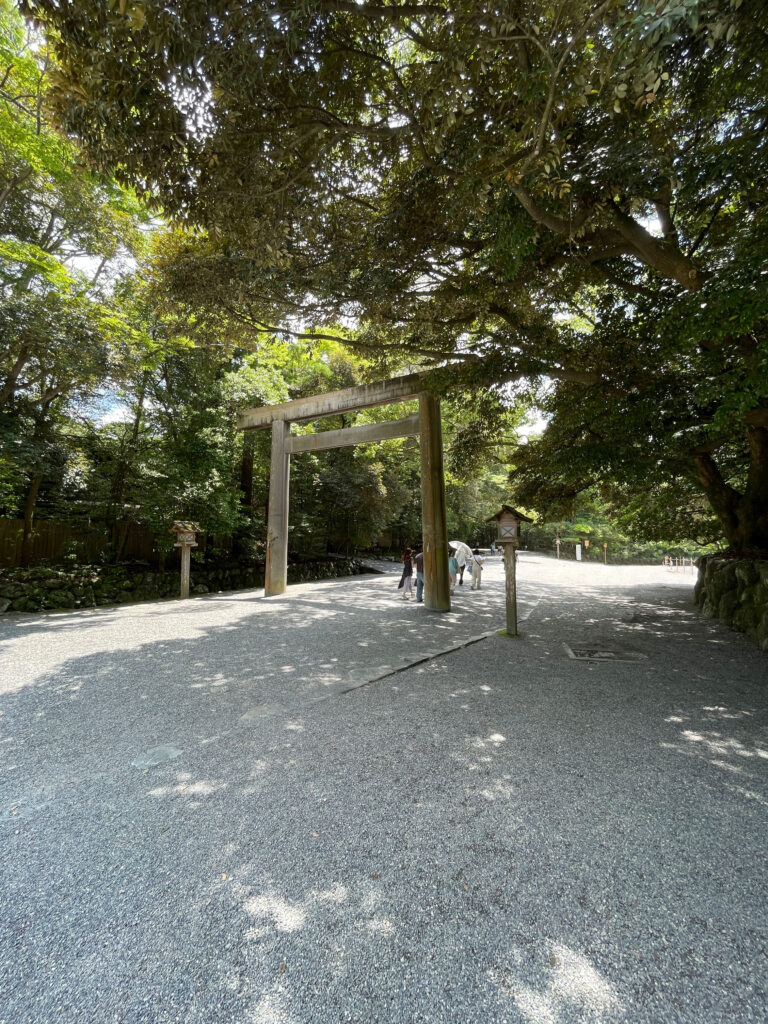
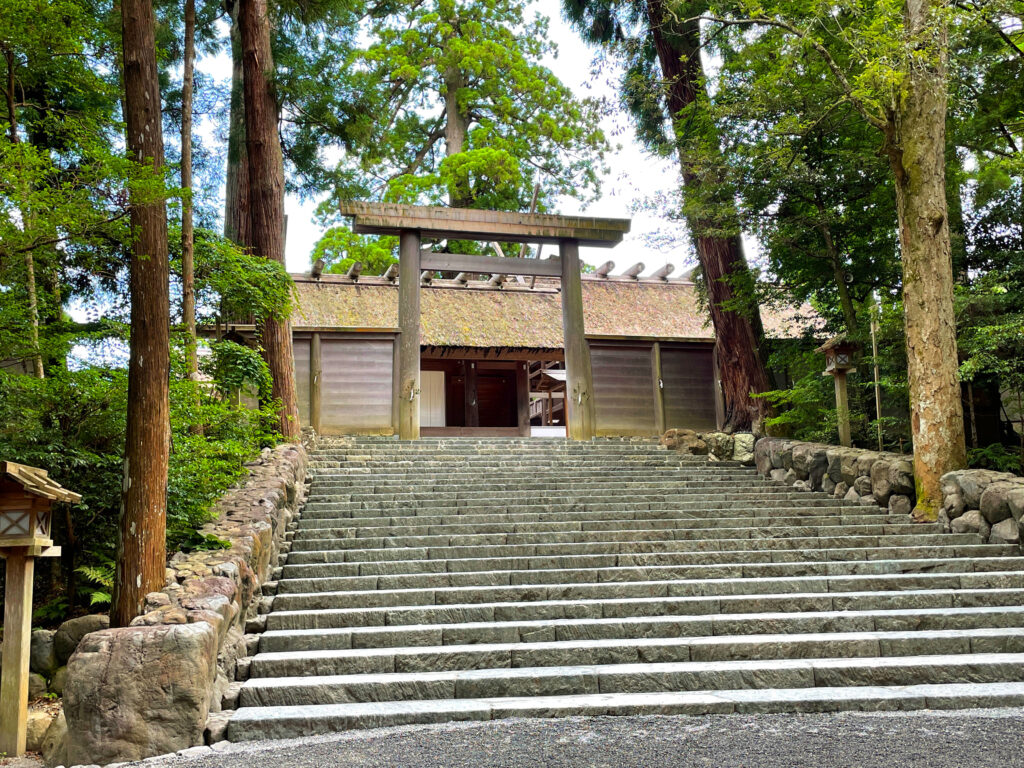
Naikū
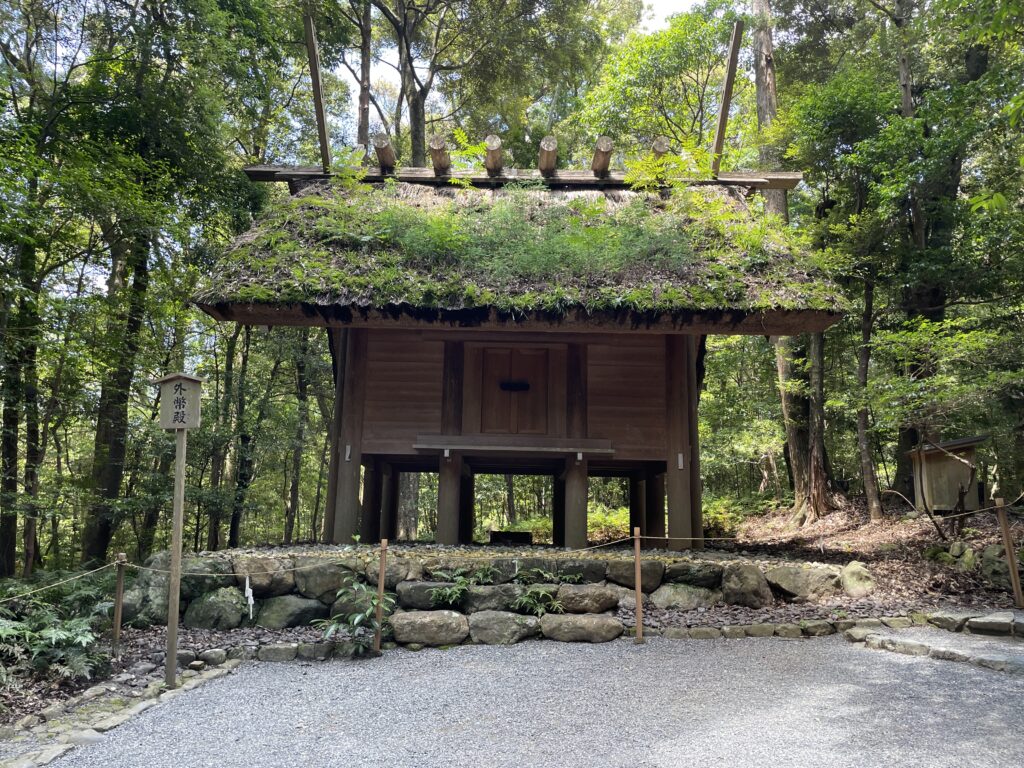
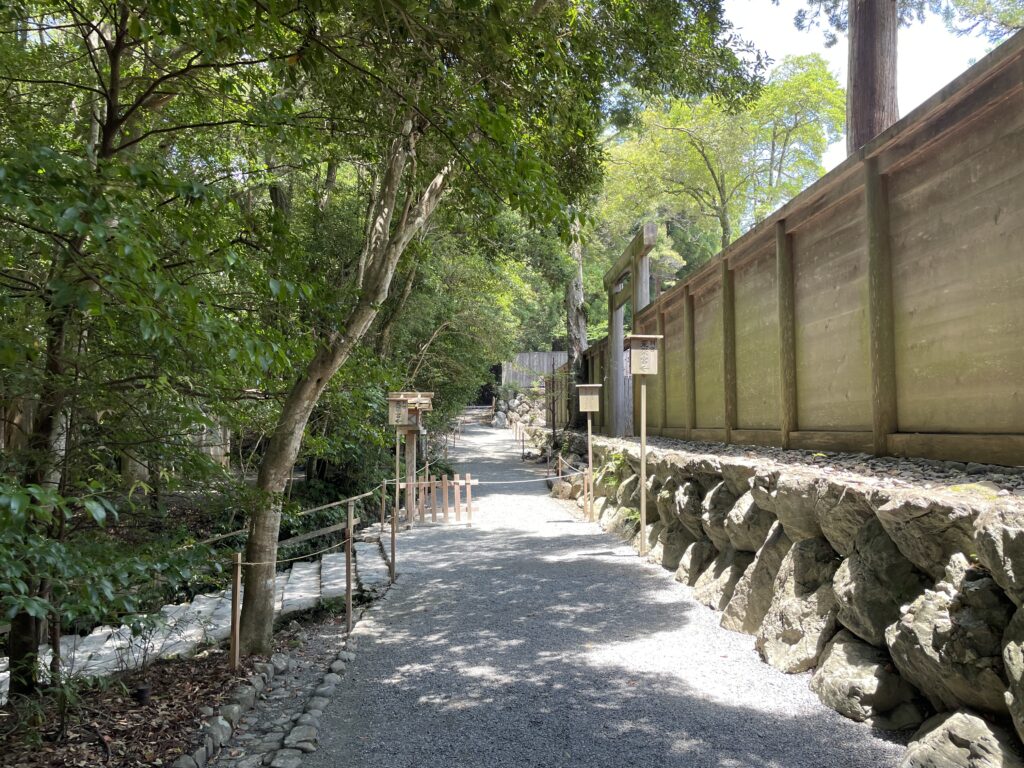
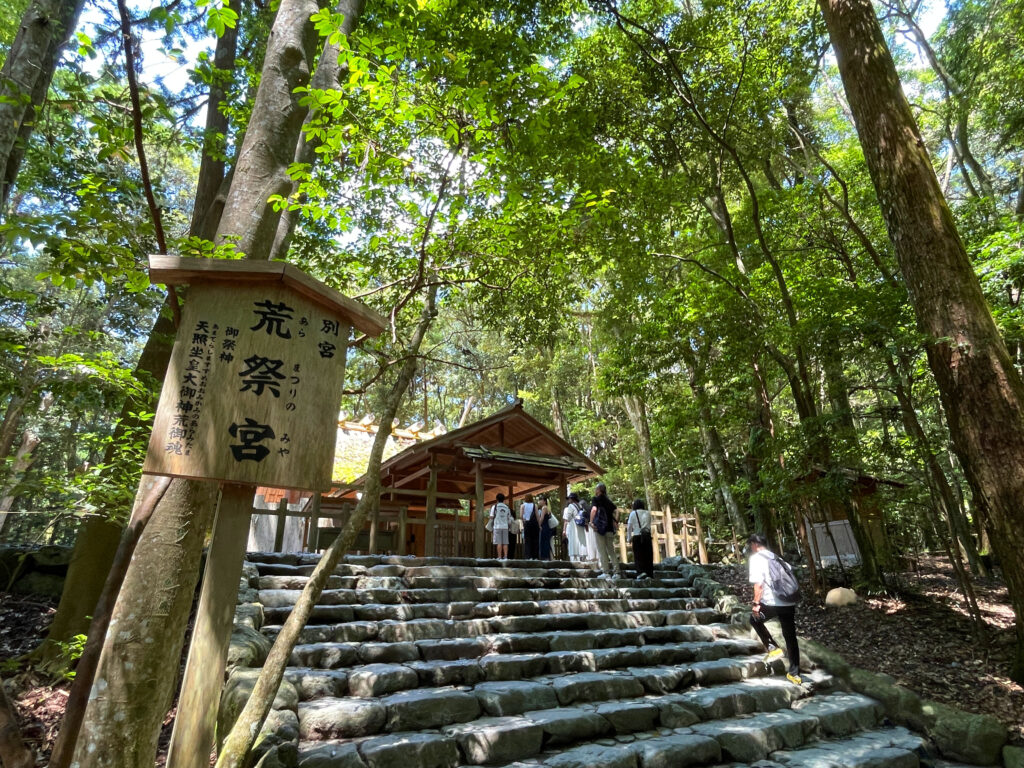
Gekū
Why Visitors Go to Gekū First
When visiting Ise Jingū, the traditional order is Gekū first, then Naikū.
This order is connected to the role of Toyouke-no-Ōkami.
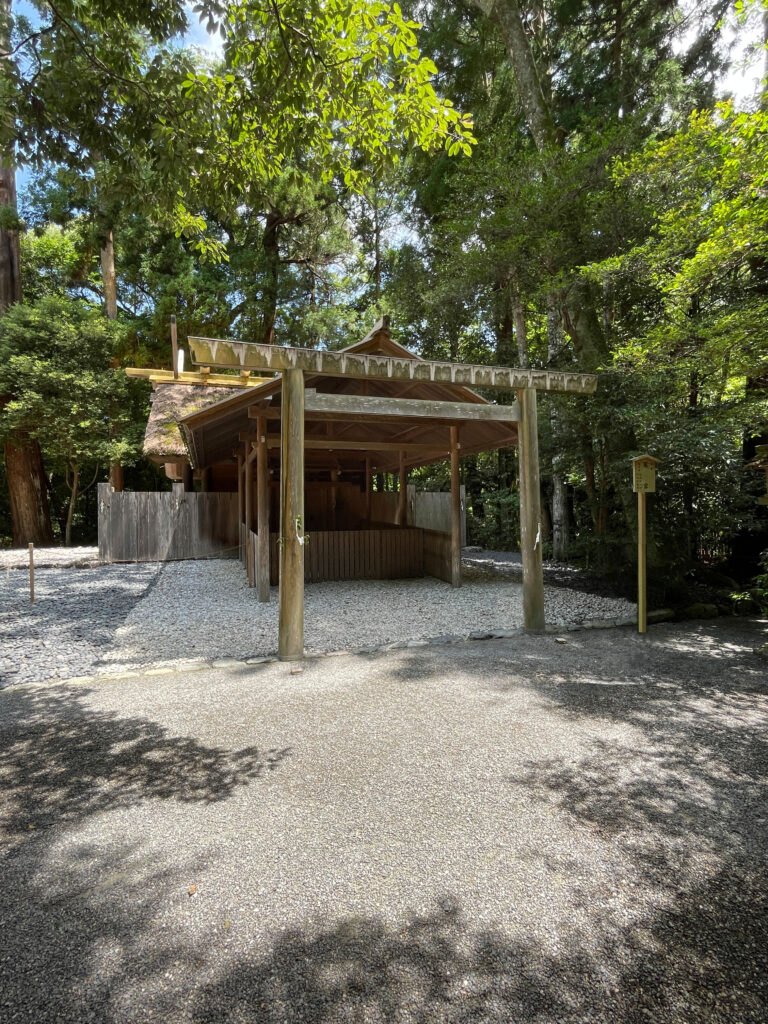
Toyouke-no-Ōkami is revered as Miketsukami (the kami who offers sacred food to Amaterasu-Ōmikami). According to tradition, Amaterasu-Ōmikami called Toyouke-no-Ōkami to Ise so that sacred meals could be offered properly.
At Ise Jingū, food offerings are an important part of worship.
Every morning and evening, sacred meals are offered to the kami in a ritual called Higoto-asa-yū-ōmikesai. This ritual has continued for about 1,500 years.
Because the offering of sacred food begins at Gekū, many important rituals at Ise Jingū are performed at Gekū before Naikū. This order is called Gekū-sensai.
For this reason, visiting Gekū first is not only a matter of route. It follows the ritual order of Ise Jingū.
Naikū: The Shrine of Amaterasu-Ōmikami
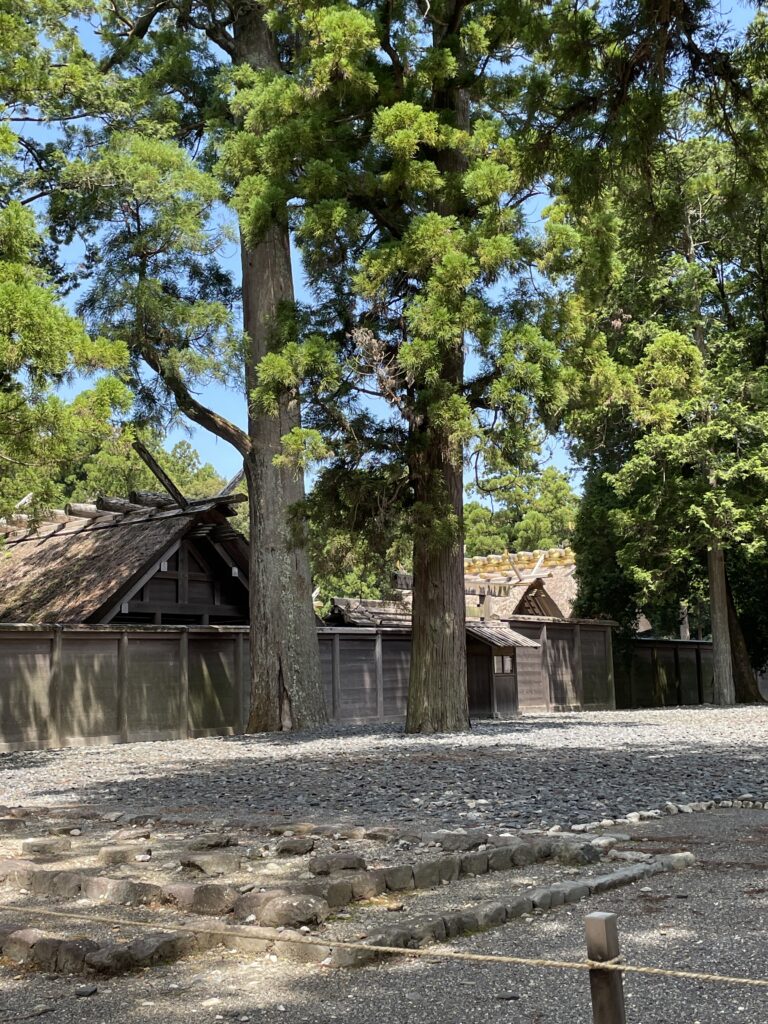
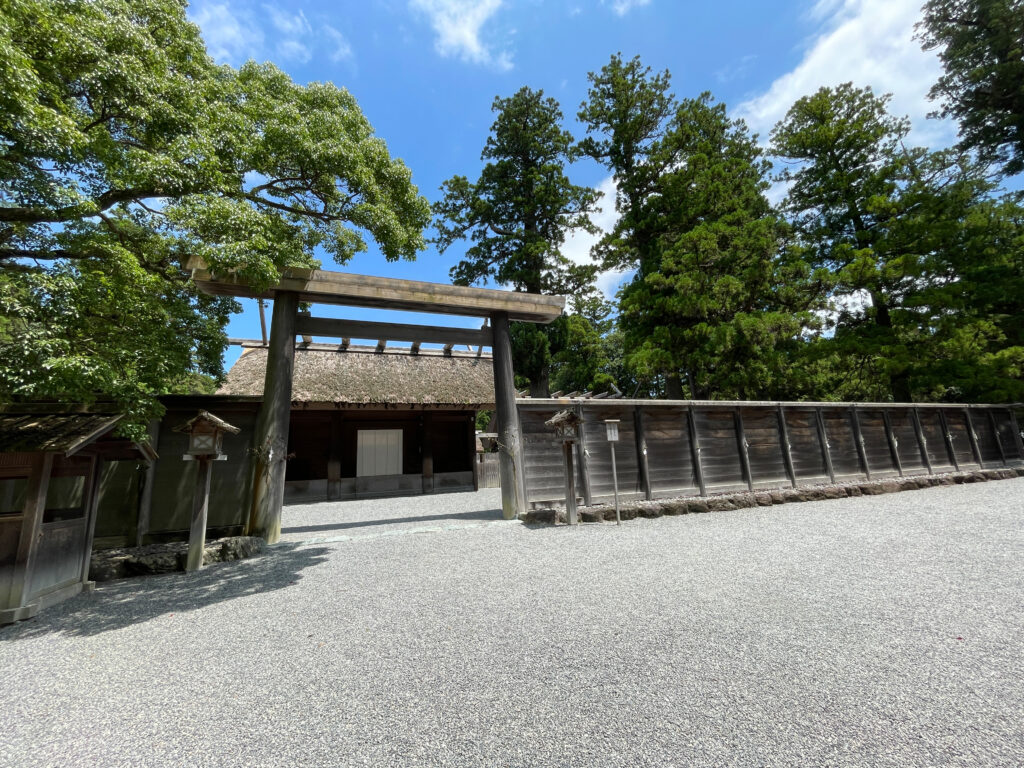
Naikū is the most important sanctuary within Ise Jingū.
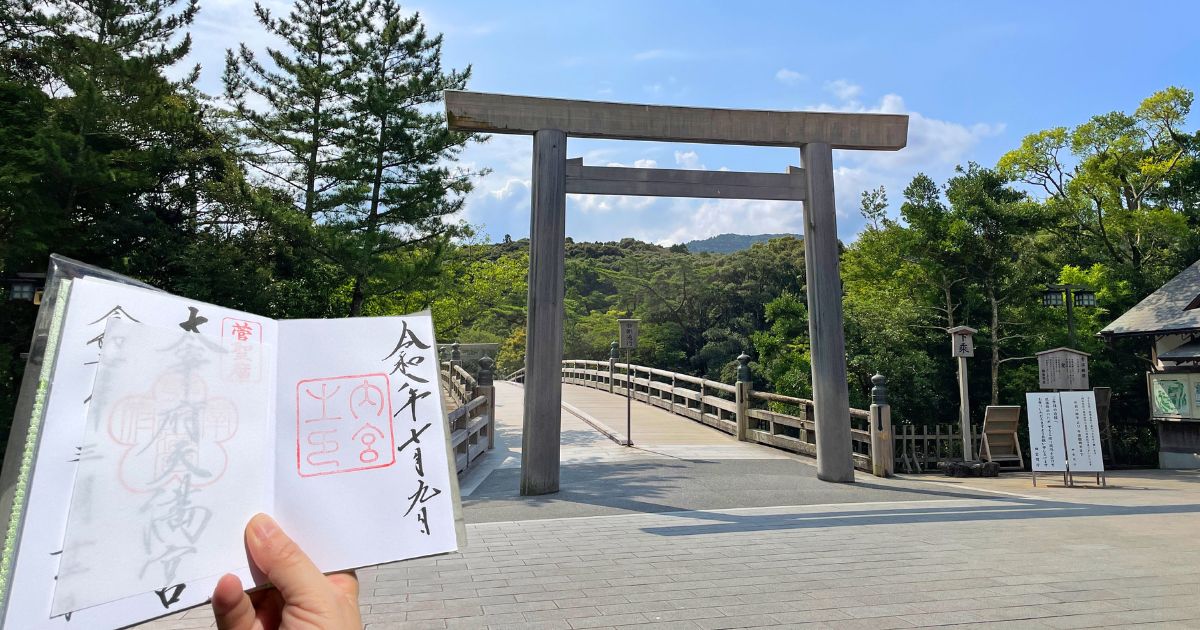
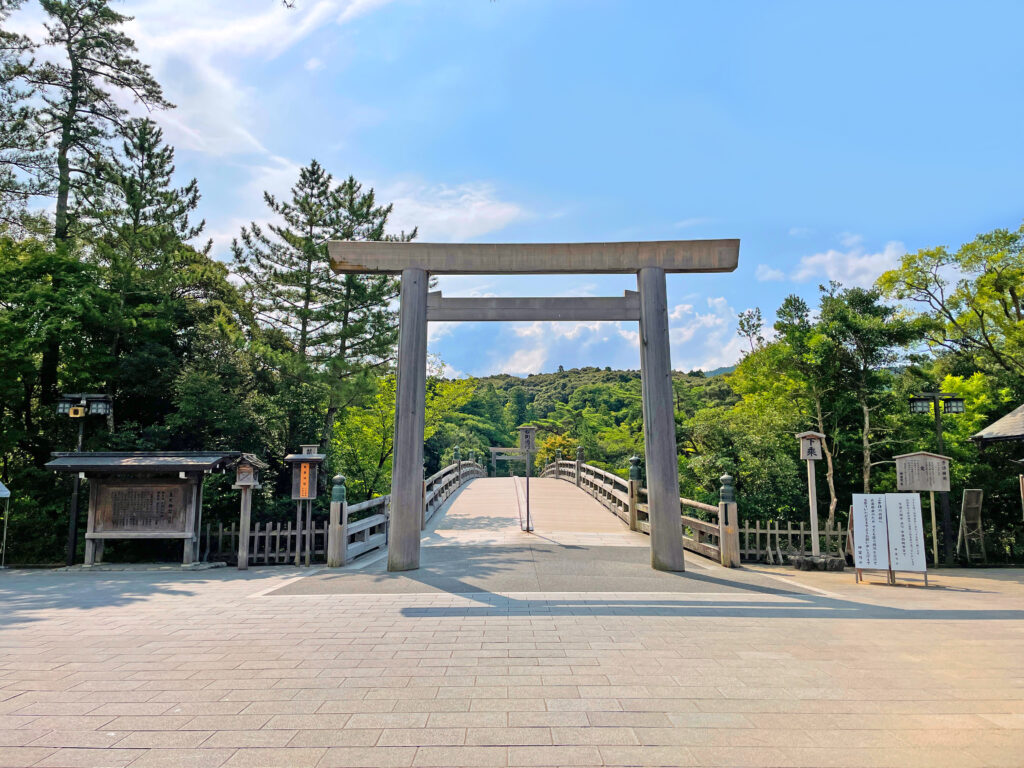
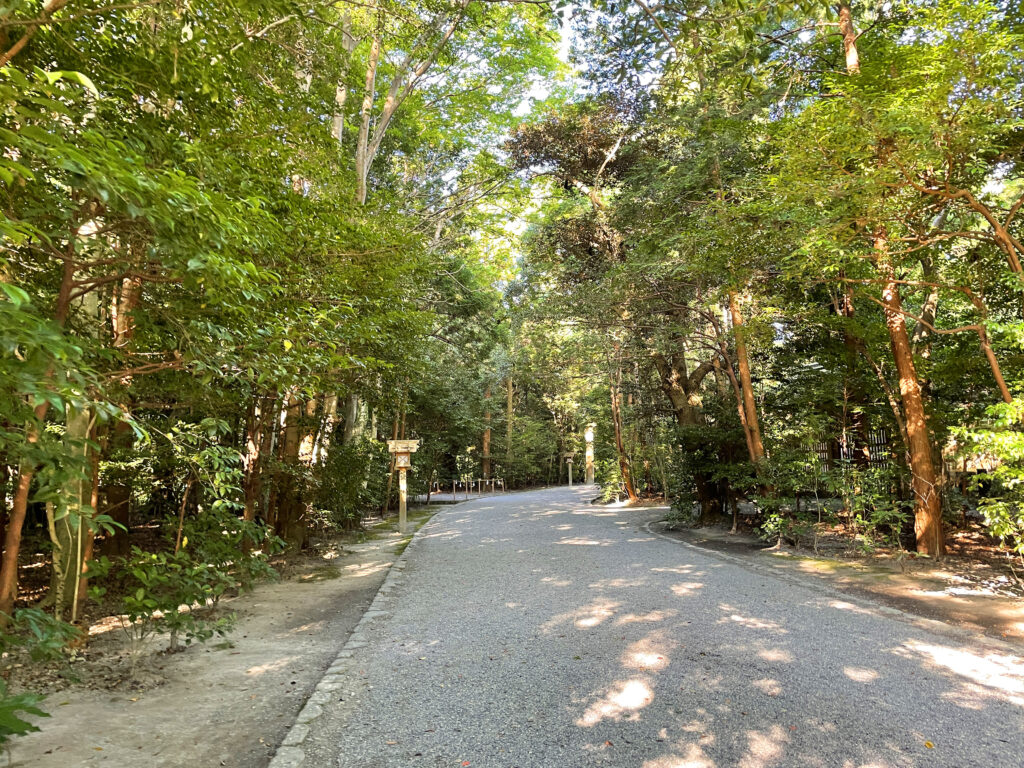
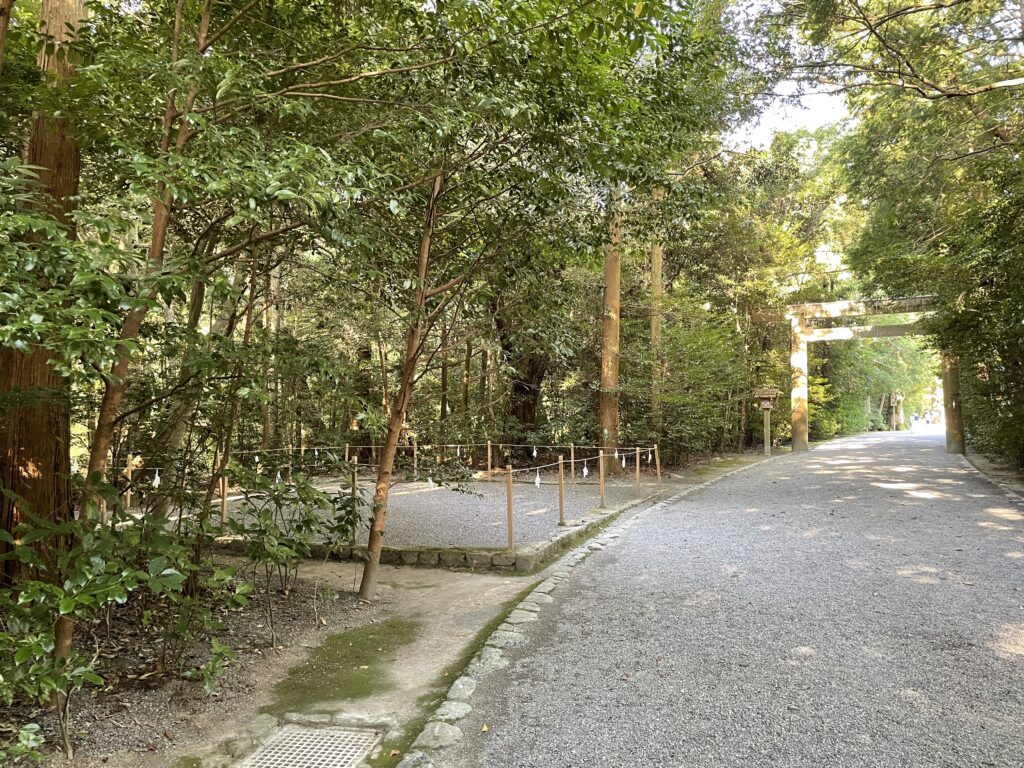
After crossing Uji Bridge over the Isuzu River, visitors walk along a forested approach toward Kōtaijingū.
The shrine buildings are simple wooden structures with very little decoration. Visitors do not enter the innermost sanctuary. Instead, they pray from the designated area outside the inner sacred space.
Naikū enshrines Amaterasu-Ōmikami, who appears in Japanese mythology as the kami of the sun and is also regarded as the ancestral kami of the Imperial family.
Because of this, Naikū is one of the most important places in Shinto.
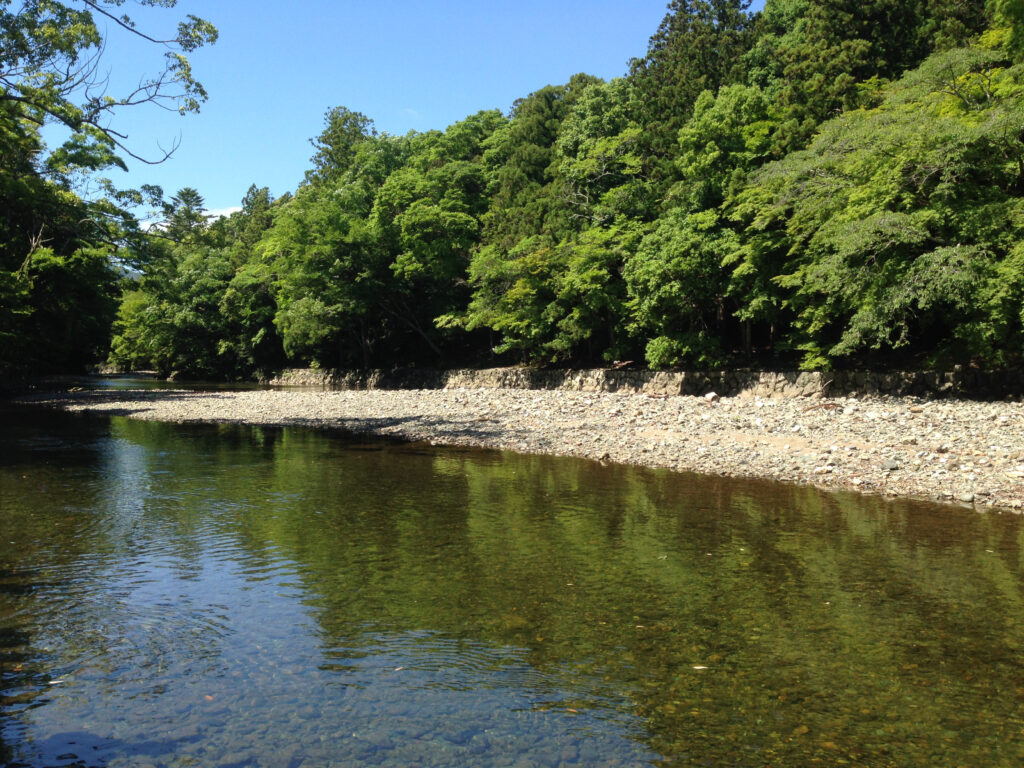
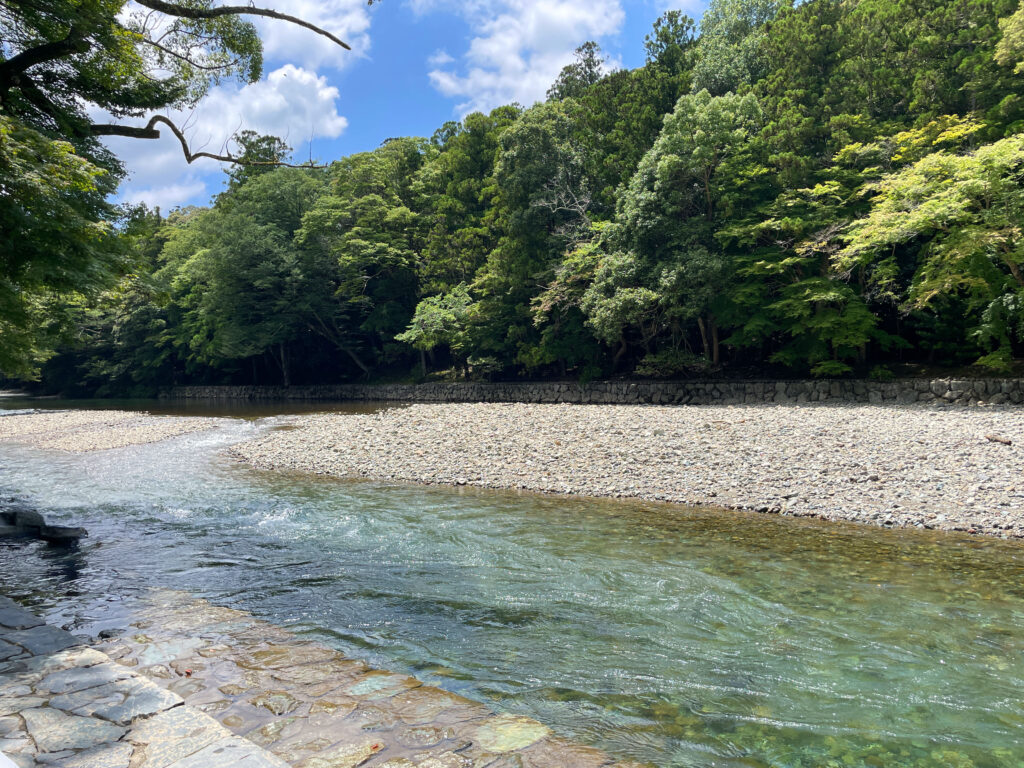
Purification at the Isuzu River
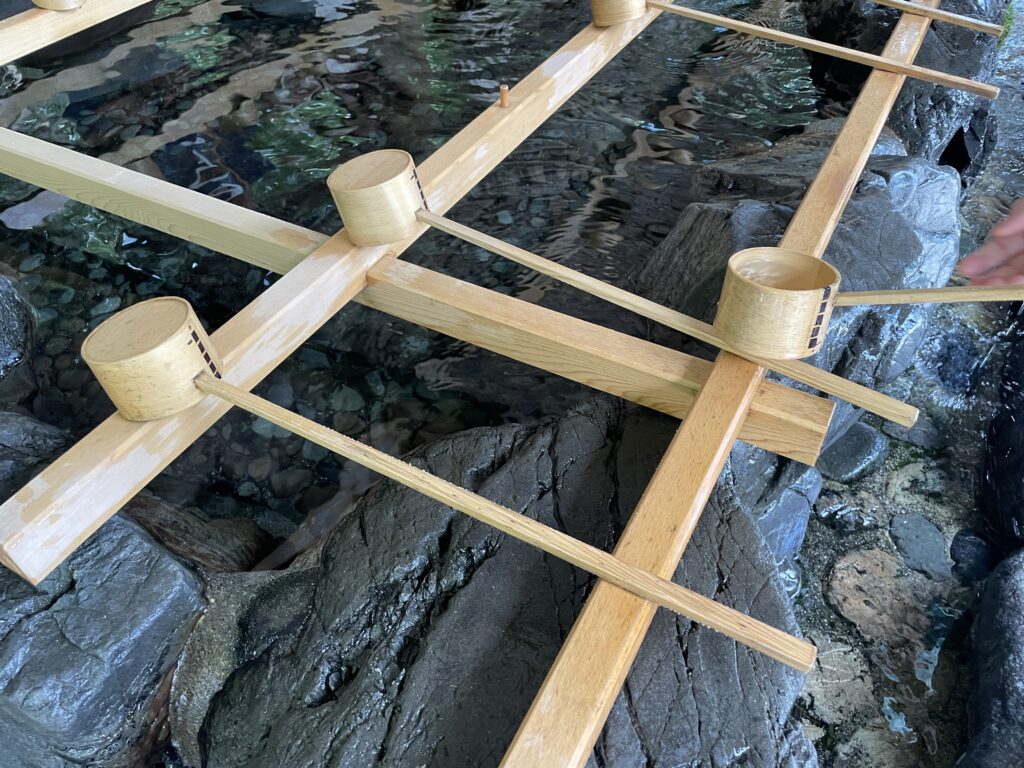
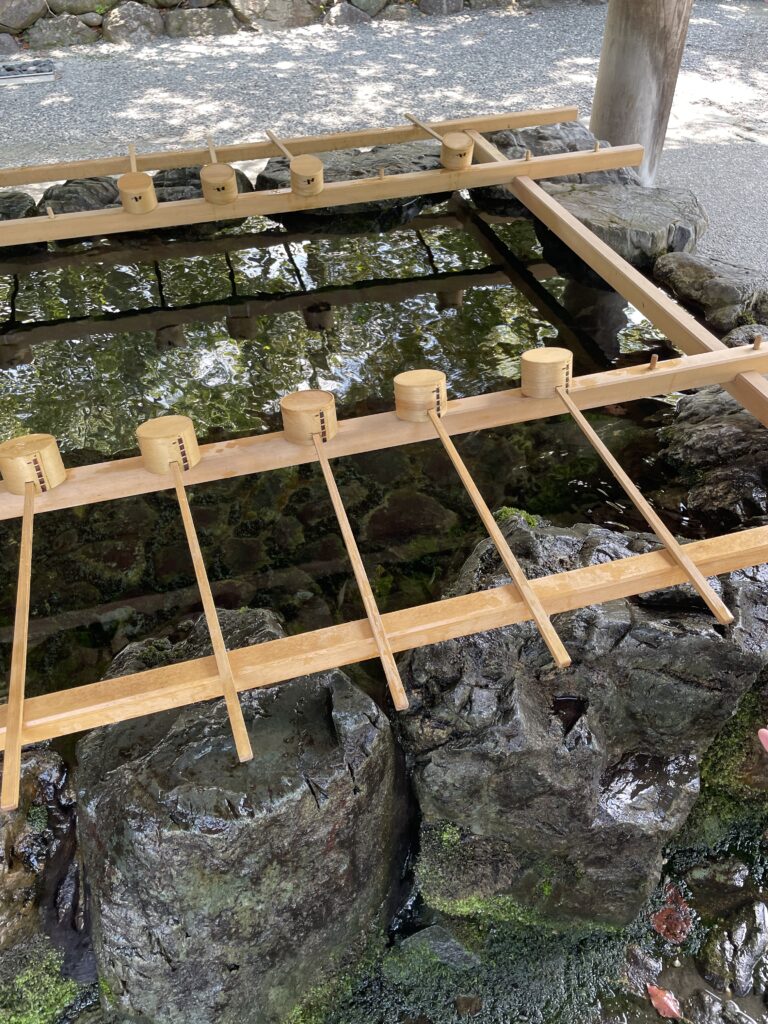
Today, visitors usually purify their hands and mouth at a temizuya before praying at a shrine.
At Naikū, visitors can also purify their hands at the Mitarashi area along the Isuzu River.
In the past, worshippers purified themselves in the river before visiting the shrine. The Mitarashi area preserves this older form of purification.
This practice reflects an important part of Shinto worship: before approaching the kami, visitors prepare themselves through purification.
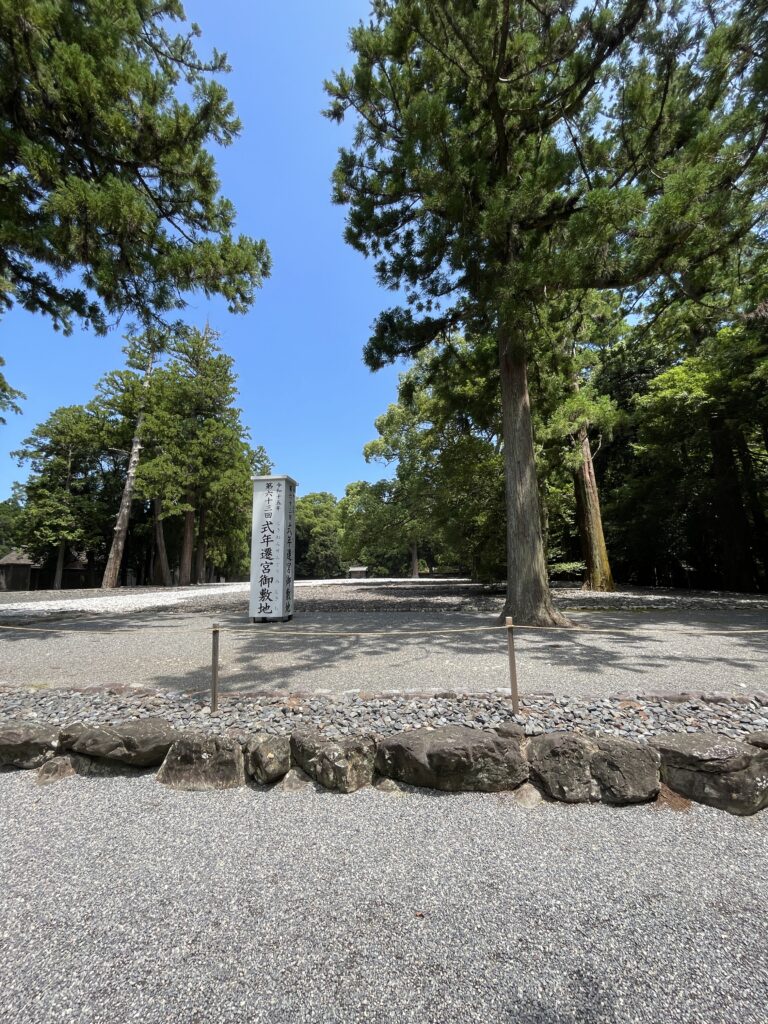
Shikinen Sengū
One of the most important traditions of Ise Jingū is Shikinen Sengū.
Every twenty years, the main sanctuary buildings are rebuilt on an adjacent site. The kami is then transferred to the newly built sanctuary.
This is not only a rebuilding of old structures.
Through Shikinen Sengū, the shrine buildings are kept fresh, the traditional architectural style is preserved, and the skills of shrine carpenters and craftspeople are passed on to the next generation.
The ritual objects, furnishings, and sacred treasures are also remade.
Some wood from former structures is reused in other shrine buildings or torii gates. In this way, the materials continue to serve in new places.
Shikinen Sengū is one of the clearest examples of how Ise Jingū preserves tradition through renewal.
How Amaterasu-Ōmikami Came to Ise
According to tradition, Amaterasu-Ōmikami was once worshipped within the Imperial Palace.
During the reign of Emperor Sujin, the tenth emperor, it was decided that Amaterasu-Ōmikami should be enshrined in a separate and more suitable place.
At first, the search was entrusted to Toyosukiiri-hime-no-Mikoto.
Later, during the reign of Emperor Suinin, Yamatohime-no-Mikoto, a princess of the emperor, continued the journey.
Yamatohime-no-Mikoto traveled through several regions, temporarily enshrining Amaterasu-Ōmikami at different places along the way.
Some of these places are now known as Moto-Ise, meaning places connected to the journey before Amaterasu-Ōmikami was finally enshrined in Ise.
After a long journey, Yamatohime-no-Mikoto reached Ise. According to tradition, this became the permanent place of worship for Amaterasu-Ōmikami.
This is the origin of Naikū.
What Makes Ise Jingū Important
Ise Jingū is important not only because of its high status, but also because many old Shinto practices are still preserved there.
Gekū preserves the tradition of offering sacred meals to the kami every morning and evening.
Naikū enshrines Amaterasu-Ōmikami, one of the central kami of Japanese mythology.
The Isuzu River preserves an older form of purification.
Shikinen Sengū renews the shrine buildings and ritual objects every twenty years, while passing down traditional craftsmanship.
For visitors, Ise Jingū is a place where the structure, rituals, and history of Shinto can be understood in a clear and simple way.