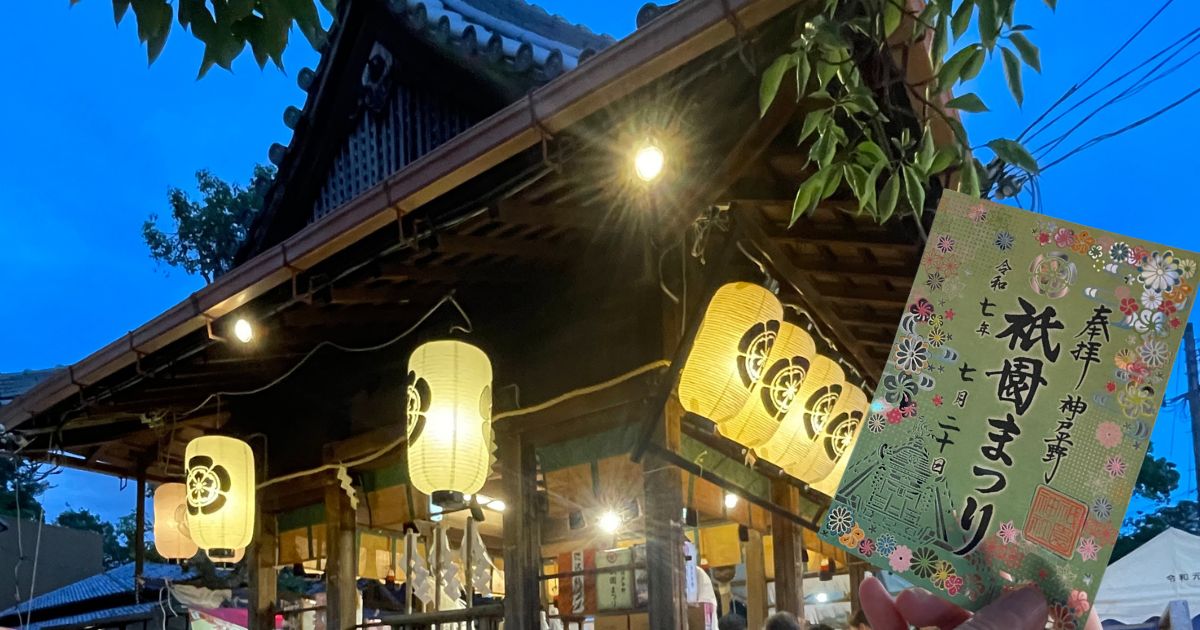
About This Seasonal Tradition
In Japan, summer is a season of shrine festivals.
Among them are the summer festivals connected with Gion shrines and Gion faith.
The most famous example is Gion Matsuri in Kyoto, held by Yasaka Shrine. But Gion-related summer festivals are not limited to Kyoto.
Across Japan, many local communities hold Gion-style summer festivals to pray for protection, purification, and a peaceful passage through the hot season.
Photo Gallery
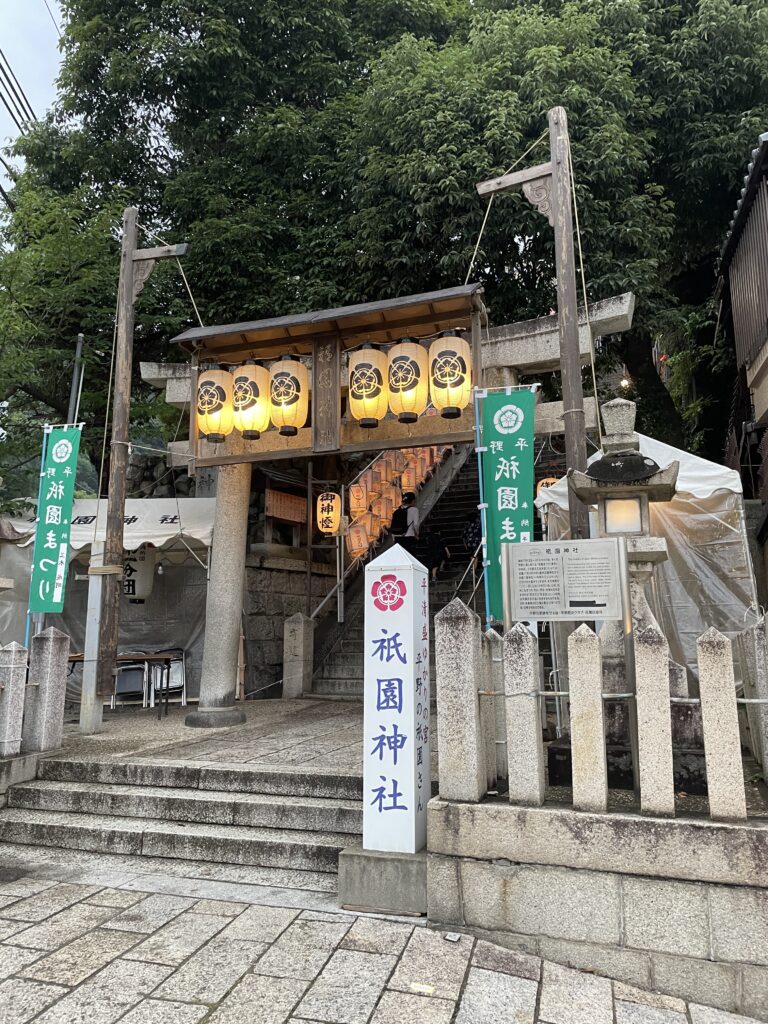

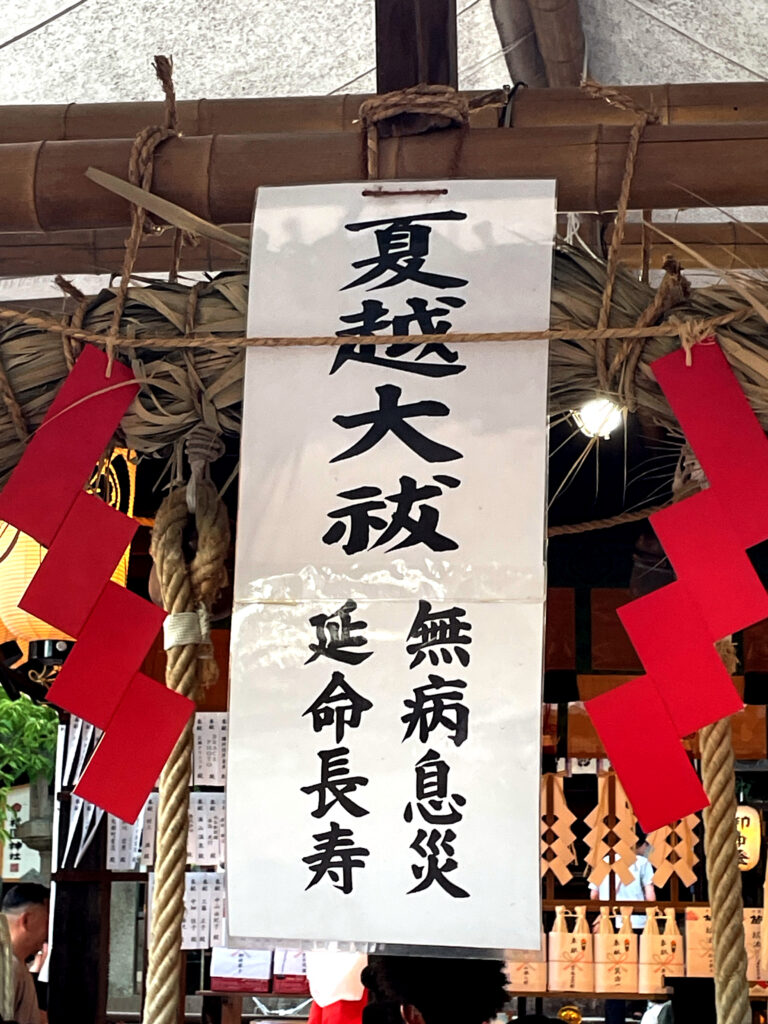
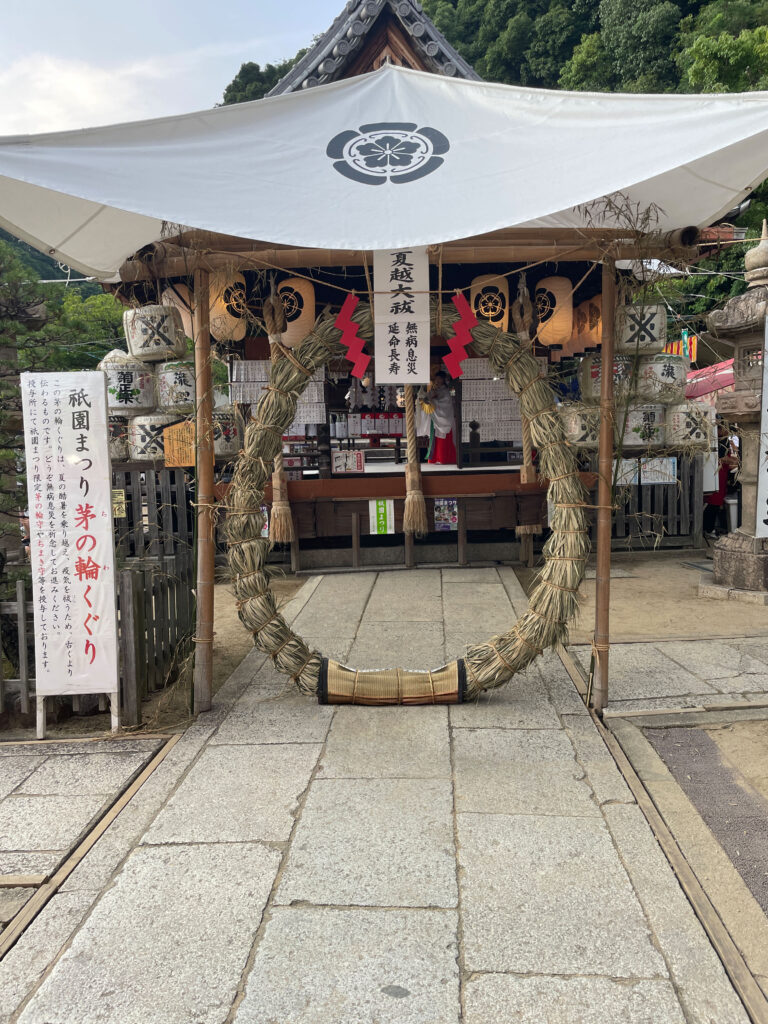
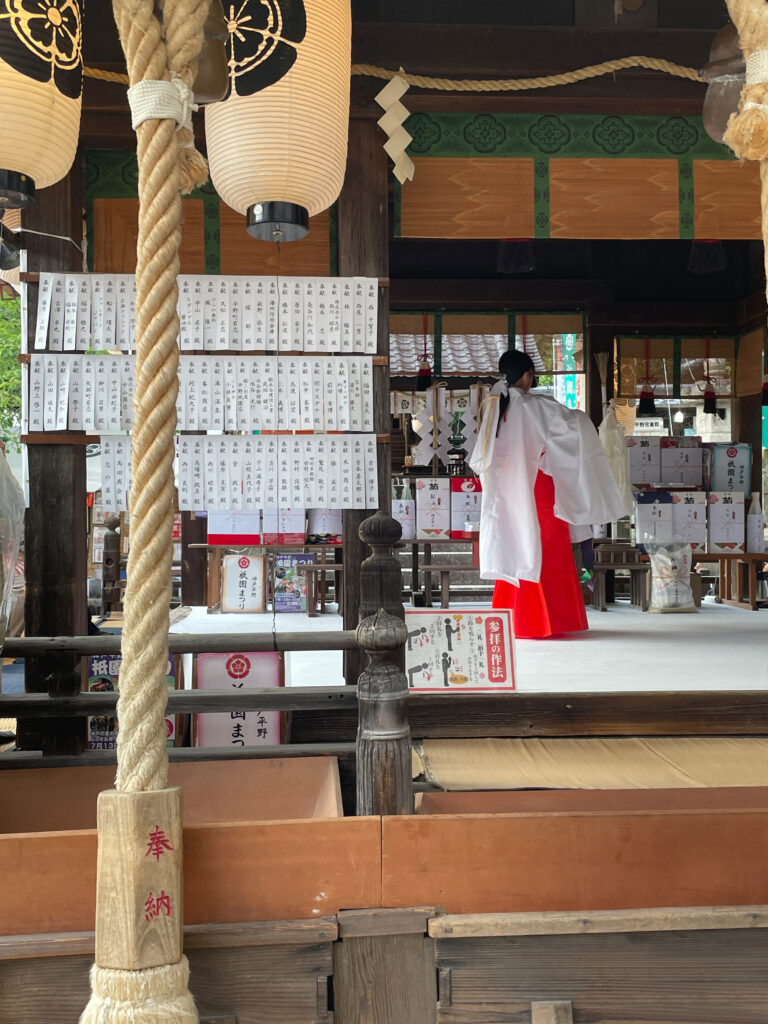
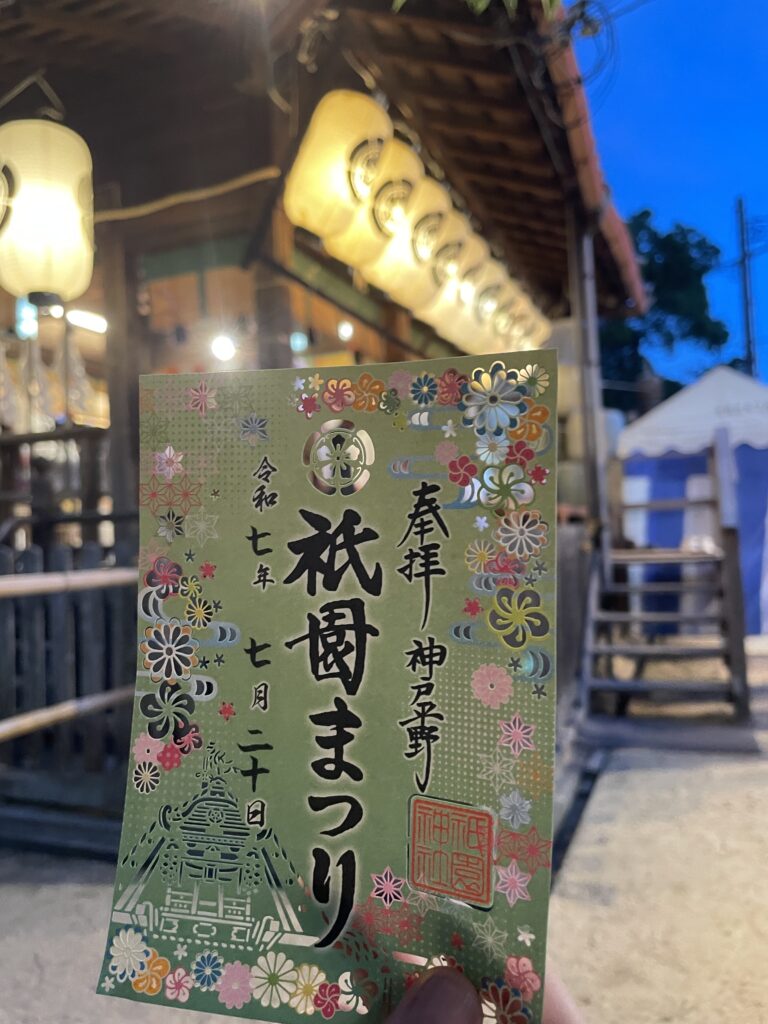
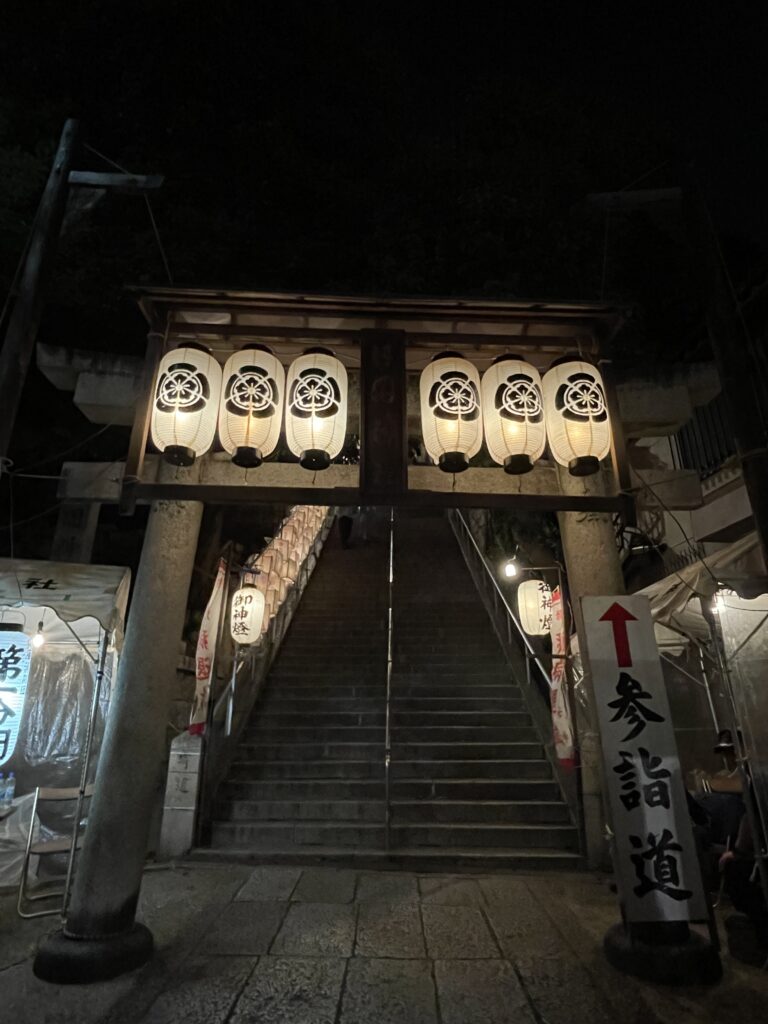
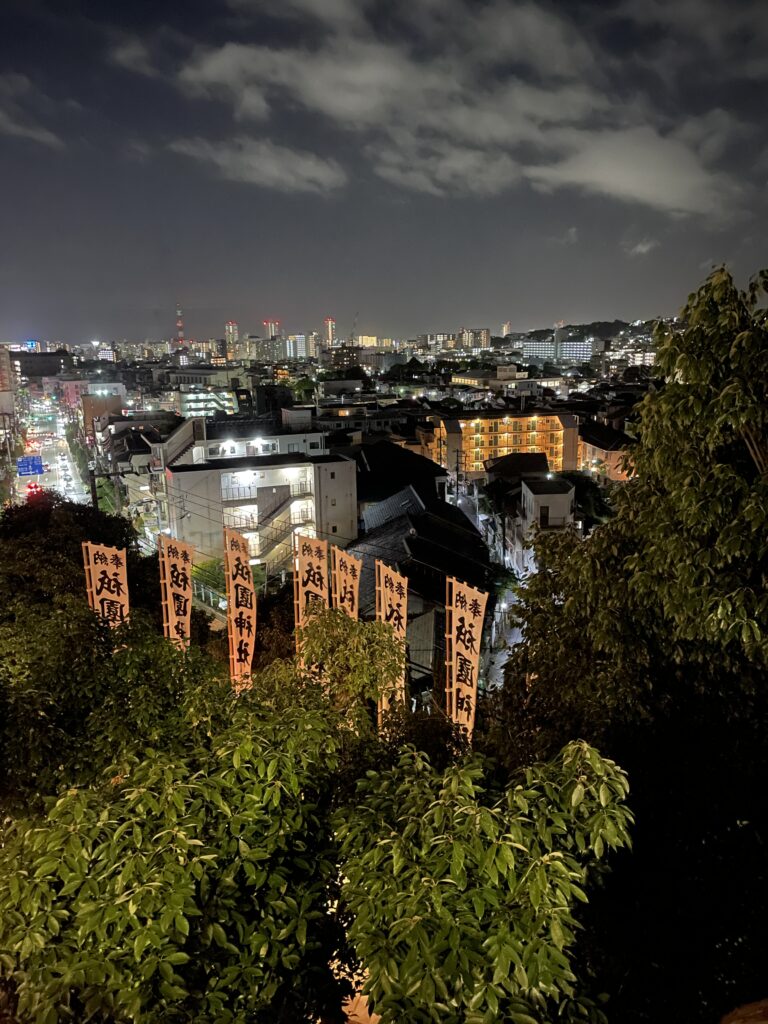
The Origin of Gion Festivals
Gion festivals have deep roots in prayers against epidemics.
The best-known origin story is connected with Kyoto’s Gion Matsuri.
According to Yasaka Shrine, Gion Matsuri began in 869, during the Heian period, when a serious epidemic spread through Kyoto and other parts of Japan.
At that time, people believed that epidemics and disasters could be caused by angry spirits or harmful divine forces.
To pray for the removal of disaster, 66 spears were erected in connection with the number of provinces in Japan at the time, and the mikoshi of Gion Shrine was sent to Shinsen-en, a sacred imperial garden.
This was the beginning of the ritual that later became Gion Matsuri.
In its earliest form, the festival was not simply entertainment.
It was a prayer for the end of disease, disaster, and unseen forces that threatened the community.
Gion Faith, Gozu Tennō, and Susanoo-no-Mikoto
To understand Gion festivals, it is important to know the background of Gion faith.
Before the modern separation of Shinto and Buddhism, many Gion-related shrines were connected with Gozu Tennō.
Gozu Tennō was a deity associated with disease and protection from epidemics. Over time, he became closely identified with Susanoo-no-Mikoto, one of the important kami in Japanese mythology.
Because of this, many shrines connected with Gion faith now enshrine Susanoo-no-Mikoto.
Gion-related shrines may be called Gion Jinja, Yasaka Shrine, Tennō Shrine, Susanoo Shrine, Tsushima Shrine, or Yakumo Shrine, depending on the region.
Their names may differ, but many share a common background: the old belief in protection from epidemics and misfortune.
This is why festivals connected with Gion faith often carry both older elements of epidemic protection and newer Shinto forms of worship.
They are not only festivals of celebration.
They are also rituals of protection, purification, and renewal.
Gion Festivals Across Japan
Kyoto’s Gion Matsuri is the most famous, but it is only one example.
Across Japan, many towns and villages have their own Gion-style summer festivals.
Some involve mikoshi processions, where the kami is carried through the town.
Some include floats, drums, lanterns, dancing, or local performances.
Some are large and well known, while others are small community festivals held by local shrines.
What they often share is the idea of cleansing the community and praying for protection during summer.
In the past, summer was a time when epidemics could spread easily, especially in crowded towns and along busy roads. Gion festivals became one way for communities to face that anxiety together.
Today, even when people no longer think of disease in the same way, the feeling behind the festival remains.
People still gather to pray for safety, health, and peace.
The Modern Meaning of Gion Shrine Summer Festivals
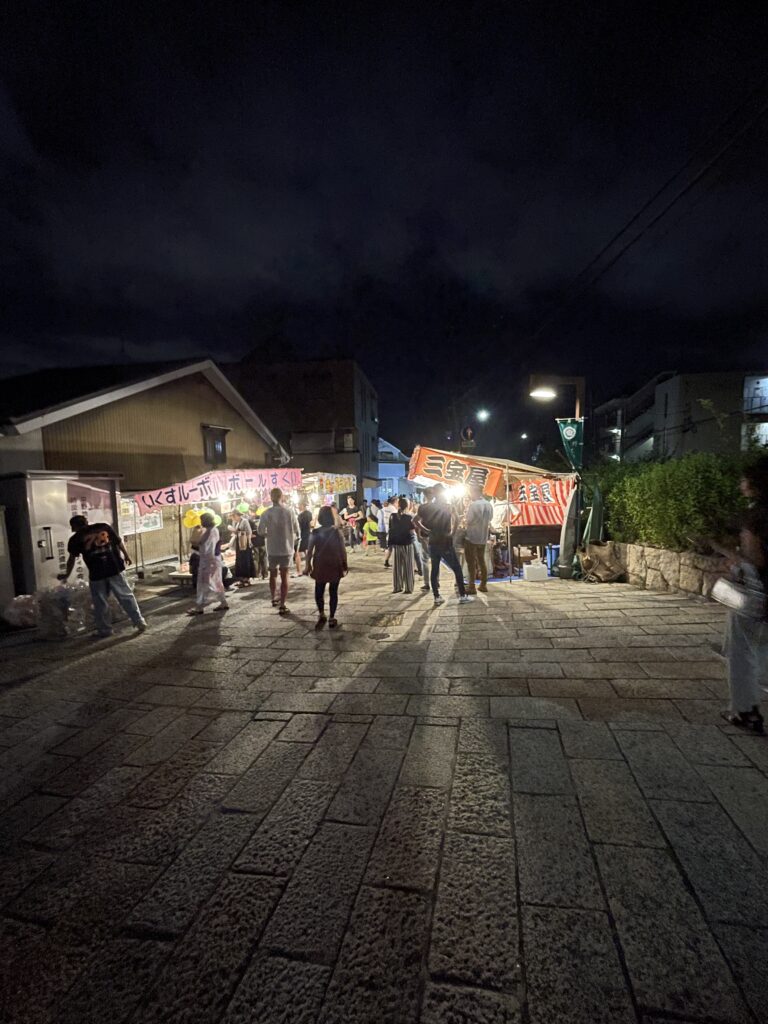
Today, Gion shrine summer festivals are often experienced as local summer events.
Visitors may enjoy lanterns, music, food stalls, mikoshi, floats, and the lively atmosphere of the town.
For children, couples, and anyone who loves festival food, a summer festival can be one of the happiest moments of the season.
Rows of food stalls, the smell of grilled food, colorful games, and the sound of festival music make it easy to forget everything else for a while.
In fact, some visitors may become so excited by the stalls that the shrine visit itself almost becomes the side trip.
That, too, is part of the charm of a Japanese summer festival.
For local people, these festivals are also a way to connect with their community.
Families, shrine parishioners, neighborhood groups, and festival teams work together to continue traditions that have been passed down for generations.
At the same time, the older meaning should not be forgotten.
These festivals began as prayers against disease, misfortune, and unseen threats.
Their modern form may be bright and festive, but at the center is still a wish for protection and purification.
In this sense, a Gion festival is both joyful and serious.
It is a summer celebration, but it is also a ritual for passing through the season safely.
Final Thoughts
Gion shrine summer festivals are one of the ways Japan’s summer season is connected with shrine traditions.
They began with prayers against epidemics and disaster, especially through the faith connected with Gozu Tennō and Susanoo-no-Mikoto.
Over time, these festivals spread beyond Kyoto and took root in many local communities.
Today, they are part of the rhythm of summer.
They bring people together, fill the streets with sound and light, and carry an old prayer into the present: may this season pass safely, and may the community remain well.