About This Shrine
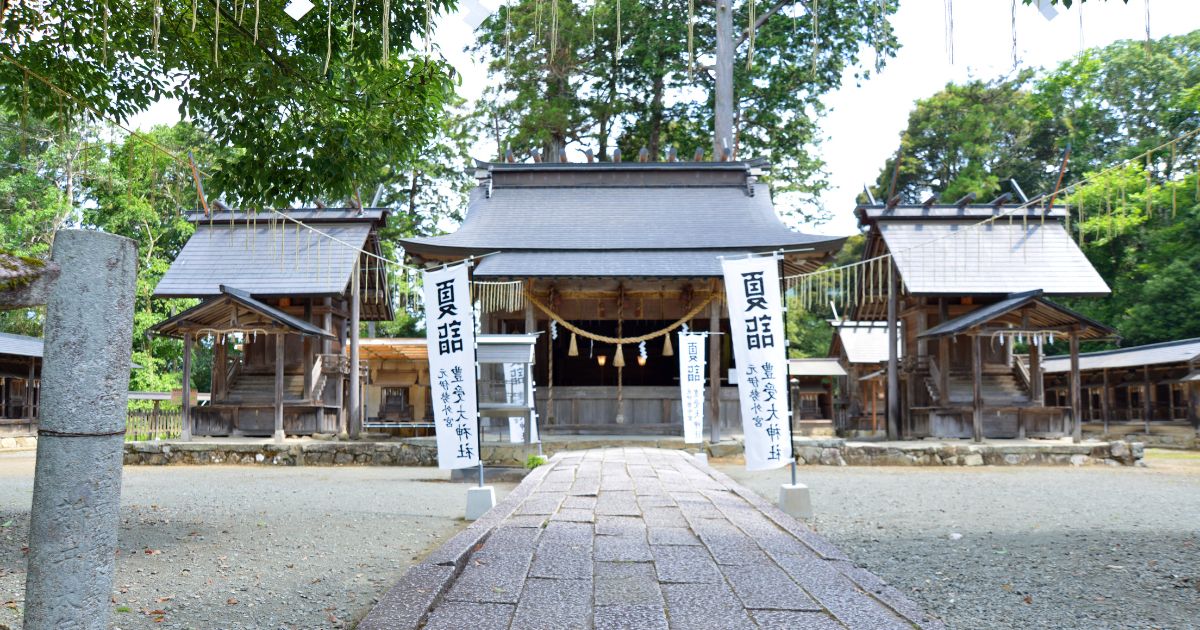
Moto-Ise Gekū Toyouke Daijinja is a Shinto shrine in the northern Kyoto area, deeply connected with the Moto-Ise tradition.
The kami enshrined here is Toyouke-no-Ōkami, a kami connected with agriculture, food, and the essentials of daily life.
According to tradition, Toyouke-no-Ōkami was once enshrined in this region before being invited to Ise as the kami of Gekū, the Outer Shrine of Ise Jingū. For that reason, this shrine is remembered as Moto-Ise Gekū, a former shrine connected with Ise’s Outer Shrine.
Toyouke-no-Ōkami is associated with blessings such as abundant harvests, food, livelihood, well-being, and the three essentials of daily life: clothing, food, and shelter.
Compared with Moto-Ise Naikū Kōtai-jinja, this shrine has a quieter and more grounded feeling. It brings the Moto-Ise story closer to food, daily life, and the act of sustaining what is necessary.
Photo Gallery
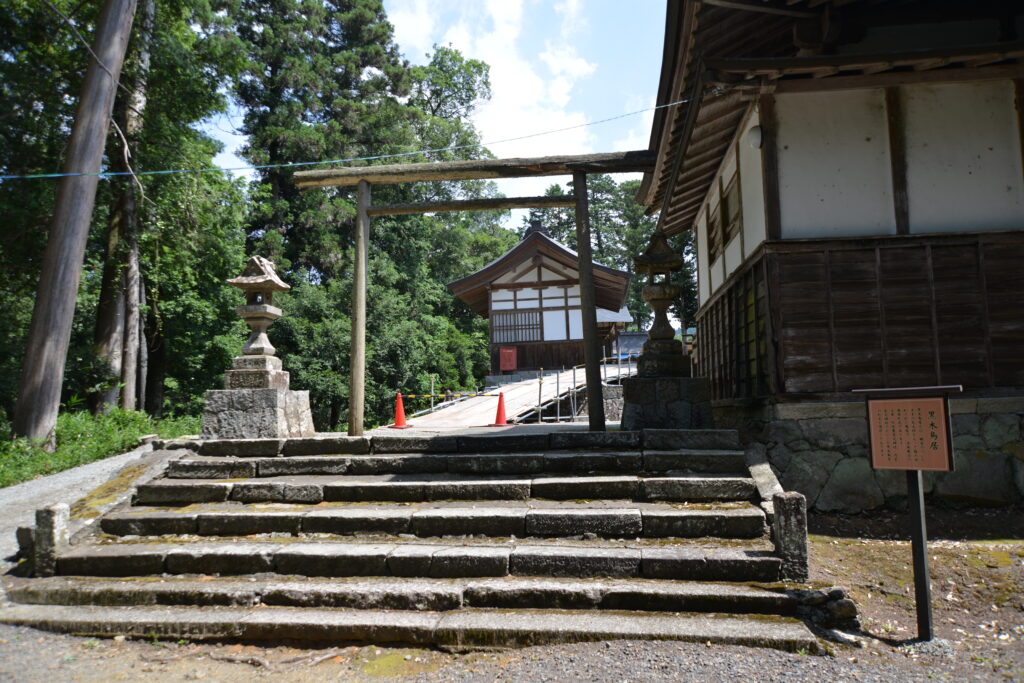
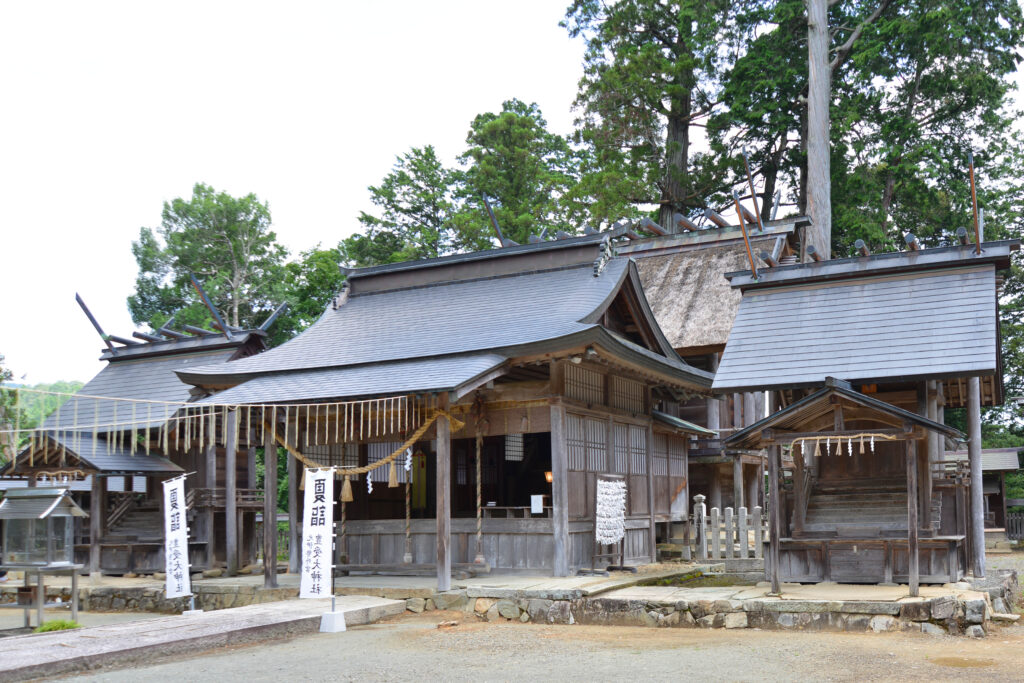
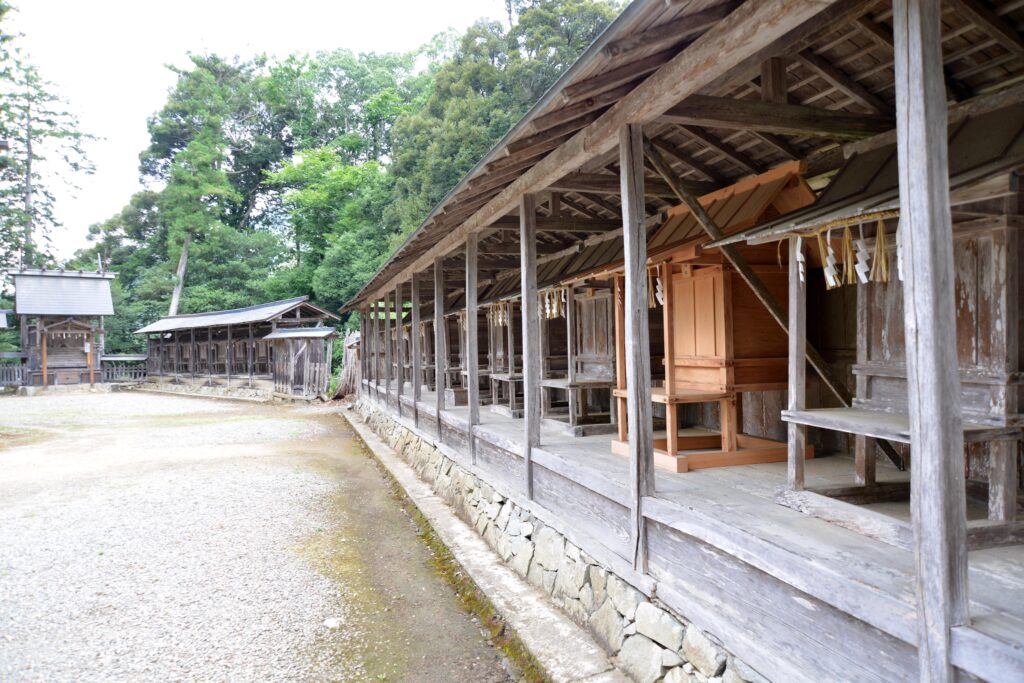
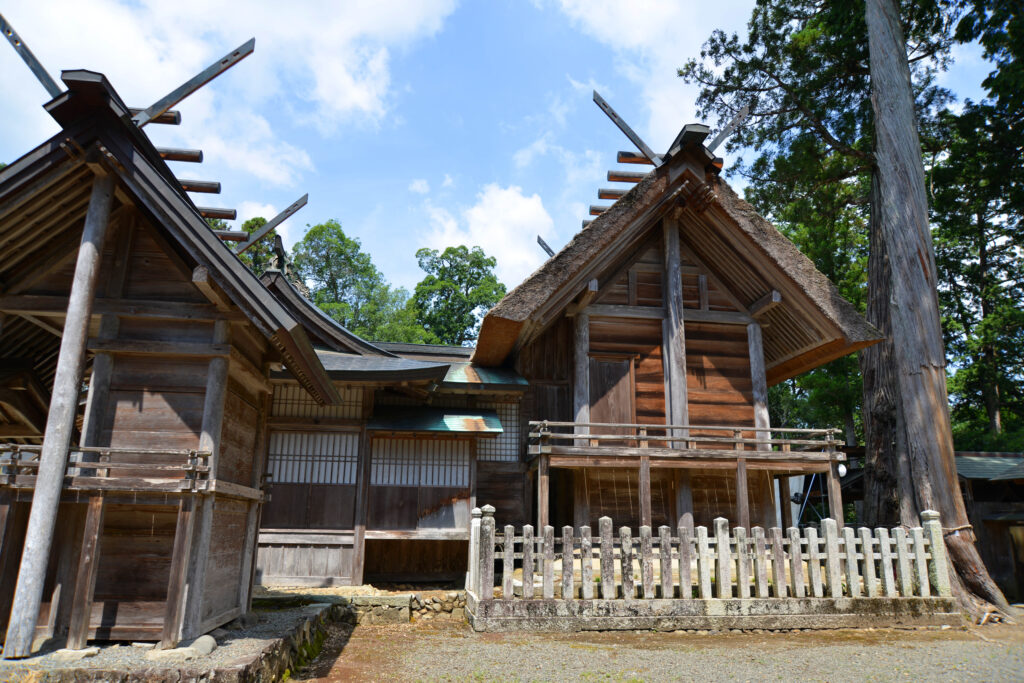
Why This Shrine Is Called Moto-Ise Gekū
The name Moto-Ise Gekū means that this shrine is remembered as a former place connected with Ise Jingū’s Gekū, or Outer Shrine.
In the tradition of Ise Jingū, Toyouke-no-Ōkami was invited from the northern Kyoto region to Ise to serve as the kami of sacred food for Amaterasu-Ōmikami.
At Ise, Toyouke-no-Ōkami is worshipped at Toyouke Daijingū, the Outer Shrine.
Because Toyouke Daijinja is connected with the place where Toyouke-no-Ōkami was once enshrined before this move to Ise, it came to be known as Moto-Ise Gekū.
This gives the shrine a very important place in the Moto-Ise tradition.
Kōtai-jinja is connected with Amaterasu-Ōmikami and Moto-Ise Naikū.
Toyouke Daijinja is connected with Toyouke-no-Ōkami and Moto-Ise Gekū.
Together, they show two different sides of the Ise tradition: light and food, the divine presence and the offerings that sustain it.
Toyouke-no-Ōkami and the Blessing of Daily Life
Toyouke-no-Ōkami is often understood as a kami connected with food, agriculture, and daily life.
This may sound simple at first, but it is one of the most important themes in Shinto.
Food is not only something people eat.
In shrine worship, food is also an offering.
It is a way to give thanks, to honor the kami, and to recognize that life is supported by many visible and invisible things.
At Ise Jingū, Toyouke-no-Ōkami is closely connected with the sacred meals offered to Amaterasu-Ōmikami.
This is why Gekū is so important.
It reminds us that worship is not only about light, purity, or distant mythology.
It is also about rice, harvests, meals, work, shelter, and the ordinary things that allow life to continue.
For visitors, this makes Toyouke Daijinja feel different from a shrine focused mainly on mythic brightness or dramatic scenery.
Its meaning is quieter, but very deep.
The Main Shrine and Its Architecture
One of the main things to notice at Toyouke Daijinja is the main shrine building.
The current main shrine building dates from 1874.
It is built in a Shinmei-zukuri style and has a thatched roof, giving it a strong connection with older shrine architecture.
This architectural style also helps visitors feel the shrine’s connection with Ise.
The building does not need to be large to feel important.
Its quiet form, thatched roof, and simple presence make the shrine feel closely tied to the older memory of worship.
When you look at the main shrine, it is worth noticing how different it feels from a decorative or highly colorful shrine building.
The beauty here is more restrained.
It comes from simplicity, age, and the feeling that the shrine has kept its role across time.
Visiting with Moto-Ise Naikū Kōtai-jinja
Toyouke Daijinja is often understood together with Moto-Ise Naikū Kōtai-jinja.
Kōtai-jinja is connected with Amaterasu-Ōmikami, the sun kami and one of the central kami in Japanese mythology.
Toyouke Daijinja is connected with Toyouke-no-Ōkami, the kami who supports Amaterasu-Ōmikami through sacred food and the blessings of daily life.
Seeing both shrines together helps the Moto-Ise tradition feel more complete.
One shrine points toward Amaterasu-Ōmikami and the journey to Ise.
The other points toward food, offerings, and the quiet support that makes worship possible.
In that sense, Toyouke Daijinja does not stand behind the story.
It supports the story from within.
Read the Moto-Ise Naikū Kōtai-jinja Article Here
Visiting with the Moto-Ise Three Shrines
Toyouke Daijinja is one of the Moto-Ise Three Shrines in this area.
The other two are Moto-Ise Naikū Kōtai-jinja and Moto-Ise Ama-no-Iwato Shrine.
Kōtai-jinja is connected with Amaterasu-Ōmikami and the tradition of Moto-Ise Naikū.
Toyouke Daijinja is connected with Toyouke-no-Ōkami and the tradition of Moto-Ise Gekū.
Ama-no-Iwato Shrine is connected with Iwatoyama, the image of Ama-no-Iwato, and the mountain landscape.
Together, the three shrines show different sides of the Moto-Ise tradition.
Light, food, mountain, rock, water, and forest all appear in one connected area.
Read the Moto-Ise Ama-no-Iwato Shrine Article Here
What to Notice When You Visit
When visiting Toyouke Daijinja, first notice the feeling of quietness.
This shrine does not need a dramatic setting to leave an impression.
Its meaning is closely connected with food, harvests, daily life, and the act of supporting what is essential.
The main shrine building is also important.
Its Shinmei-zukuri form and thatched roof help connect the shrine with the architectural memory of Ise.
You may also notice that the atmosphere here feels different from Kōtai-jinja and Ama-no-Iwato Shrine.
Kōtai-jinja feels connected with the journey of Amaterasu-Ōmikami.
Ama-no-Iwato Shrine feels connected with rock, water, and the mountain.
Toyouke Daijinja feels closer to the quiet foundation of life itself.
When walking through the shrine grounds, follow the signs and local guidance.
If an area is marked off, it is better to stay outside the boundary and worship from the proper place.
A little care can make the visit feel more respectful.
Final Thoughts
Moto-Ise Gekū Toyouke Daijinja is an important shrine for understanding the Moto-Ise tradition.
It is not only a shrine connected with Ise’s Outer Shrine.
It is also a place that reminds us of something very simple and very deep: life must be sustained.
Amaterasu-Ōmikami is often connected with light.
Toyouke-no-Ōkami is connected with food, harvests, and the daily support that allows that light to continue.
That balance is what makes this shrine meaningful.
When visited together with Moto-Ise Naikū Kōtai-jinja and Moto-Ise Ama-no-Iwato Shrine, Toyouke Daijinja adds a quiet but essential layer to the story.
Moto-Ise is not only a journey toward Ise.
It is also a story of what supports worship, life, and continuity.